
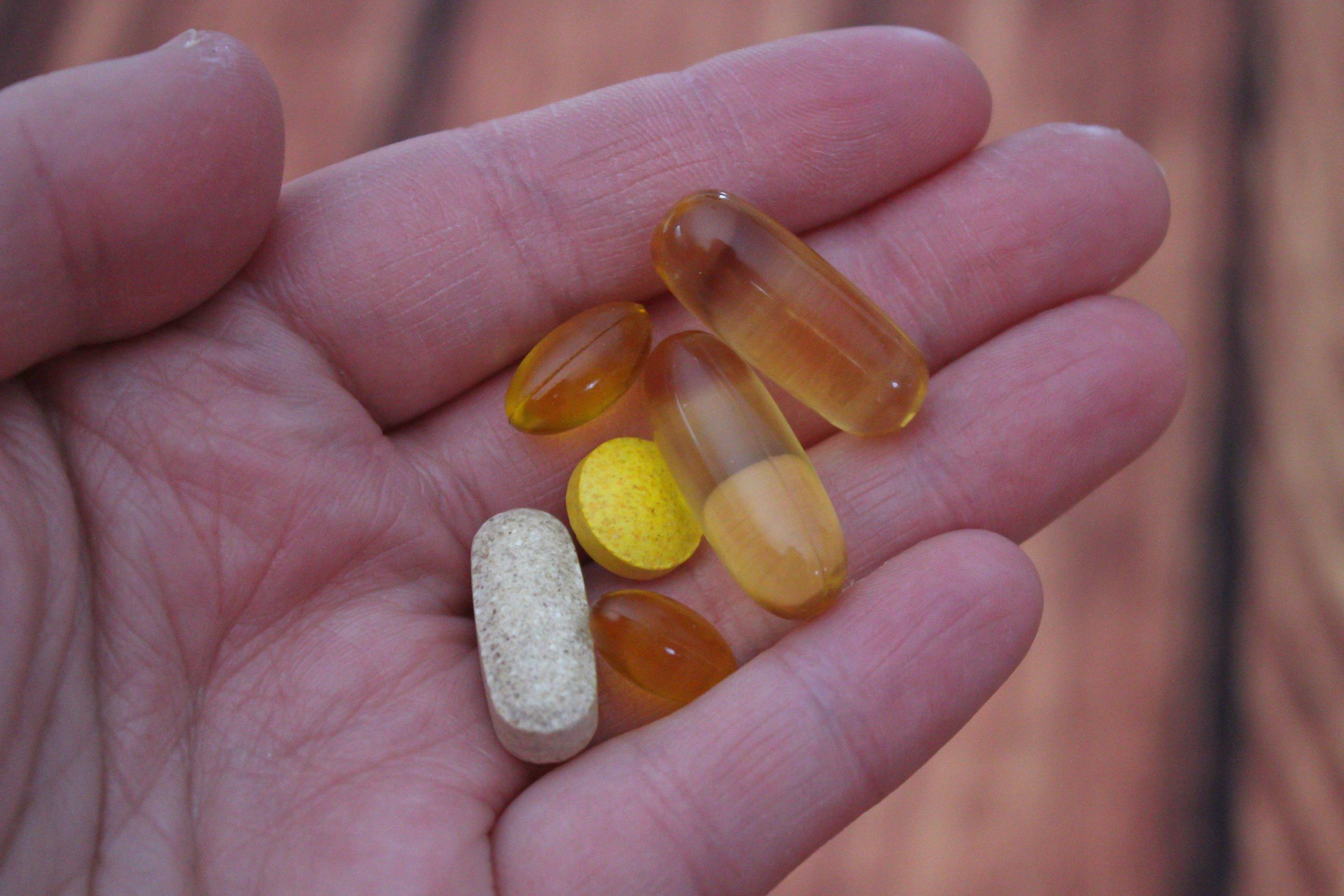
As we age, maintaining strong bones becomes increasingly crucial. Calcium and Vitamin D are essential nutrients for preventing osteoporosis and fractures in seniors. With the right dietary sources, you can enhance your bone health effectively.
This article highlights the top six sources of calcium and Vitamin D tailored for seniors. Discover how you can easily incorporate these nutrient-rich foods into your diet to keep your bones strong and healthy!
1. Fortified Dairy Products – Best For Boosting Calcium Intake
Fortified dairy products are a powerhouse for calcium and Vitamin D, making them an ideal choice for seniors. They provide essential nutrients that help in bone formation and maintenance.
Key Features:
- Rich in calcium and Vitamin D
- Supports overall bone and dental health
- Variety of choices, including milk, yogurt, and cheese
Pros:
- Easy to digest for most seniors
- Tasty and versatile in recipes
- Contains additional nutrients like protein
Cons:
- Can be high in saturated fats
- Some people may be lactose intolerant
- May contain added sugars in flavored varieties
2. Fatty Fish – Best For Natural Vitamin D
Fatty fish such as salmon, mackerel, and sardines are fantastic sources of Vitamin D and omega-3 fatty acids, both of which promote bone health and reduce inflammation.
Key Features:
- High in Vitamin D and omega-3s
- Promotes heart health
- Easy to prepare in various dishes
Pros:
- Great source of protein
- Delicious flavor options
- Sustainable choices available
Cons:
- Can be expensive
- Some varieties may contain heavy metals
- Not a preferred food for everyone
3. Leafy Green Vegetables – Best For Vegan Calcium Sources
Leafy greens like kale, collard greens, and spinach are excellent plant-based sources of calcium. They also supply essential vitamins and minerals to keep your bones strong without the extra calories.
Key Features:
- Rich in calcium and Vitamin K
- Low in calories, high in fiber
- Contains various antioxidants
Pros:
- Versatile for salads, smoothies, and cooking
- Weight-friendly option
- Promotes overall health and wellness
Cons:
- Calcium bioavailability can be lower
- Some greens may contain oxalates, reducing calcium absorption
- May require preparation and cooking
4. Fortified Cereals – Best For Convenient Nutrient Intake
Fortified cereals are an easy and convenient way to boost your daily calcium and Vitamin D intake. Many brands offer cereals targeting seniors, making breakfast an ideal time for nutrition.
Key Features:
- Convenient and quick meal option
- Often enriched with additional vitamins and minerals
- Good fiber content
Pros:
- Wide range of flavors available
- Can be customized with fruits or nuts
- No cooking required, perfect for busy mornings
Cons:
- Some can be high in sugar
- Labels may be misleading; always check for fortification
- Not filling for everyone
5. Eggs – Best For Versatile Nutrition
Eggs are not only a great source of protein but also provide Vitamin D, making them an excellent addition to any senior diet. They can easily fit into various meals throughout the day.
Key Features:
- Contains Vitamin D and choline
- High in protein
- Versatile for multiple cooking methods
Pros:
- Quick and easy to prepare
- Affordable and widely available
- Provides satiety and energy
Cons:
- Cholesterol concerns for some individuals
- Not suitable for vegans
- Potential for foodborne illnesses if improperly cooked
6. Almonds – Best For A Healthy Snack Option
Almonds are rich in calcium and are a great snack for seniors looking to maintain bone health. These nutrient-dense nuts are full of healthy fats and protein, providing sustained energy.
Key Features:
- High in calcium and magnesium
- Rich in healthy fats
- Portable and easy to store
Pros:
- Good for heart health
- Perfect for on-the-go snacking
- A variety of flavors and forms available
Cons:
- High in calories; moderation is key
- May be costlier than other snacks
- Can trigger nut allergies in some individuals
How to Choose the Best Sources of Calcium and Vitamin D
When selecting the best food sources for calcium and Vitamin D, consider your dietary preferences, possible allergies, and overall nutritional needs. Aim for a mix of these foods to ensure a well-rounded intake of these vital nutrients, making sure to incorporate a variety to help enhance absorption and benefits.
#Calcium #VitaminD #BoneHealth #SeniorNutrition #HealthyAging #WellnessTips #NutrientRich #HealthyBones