
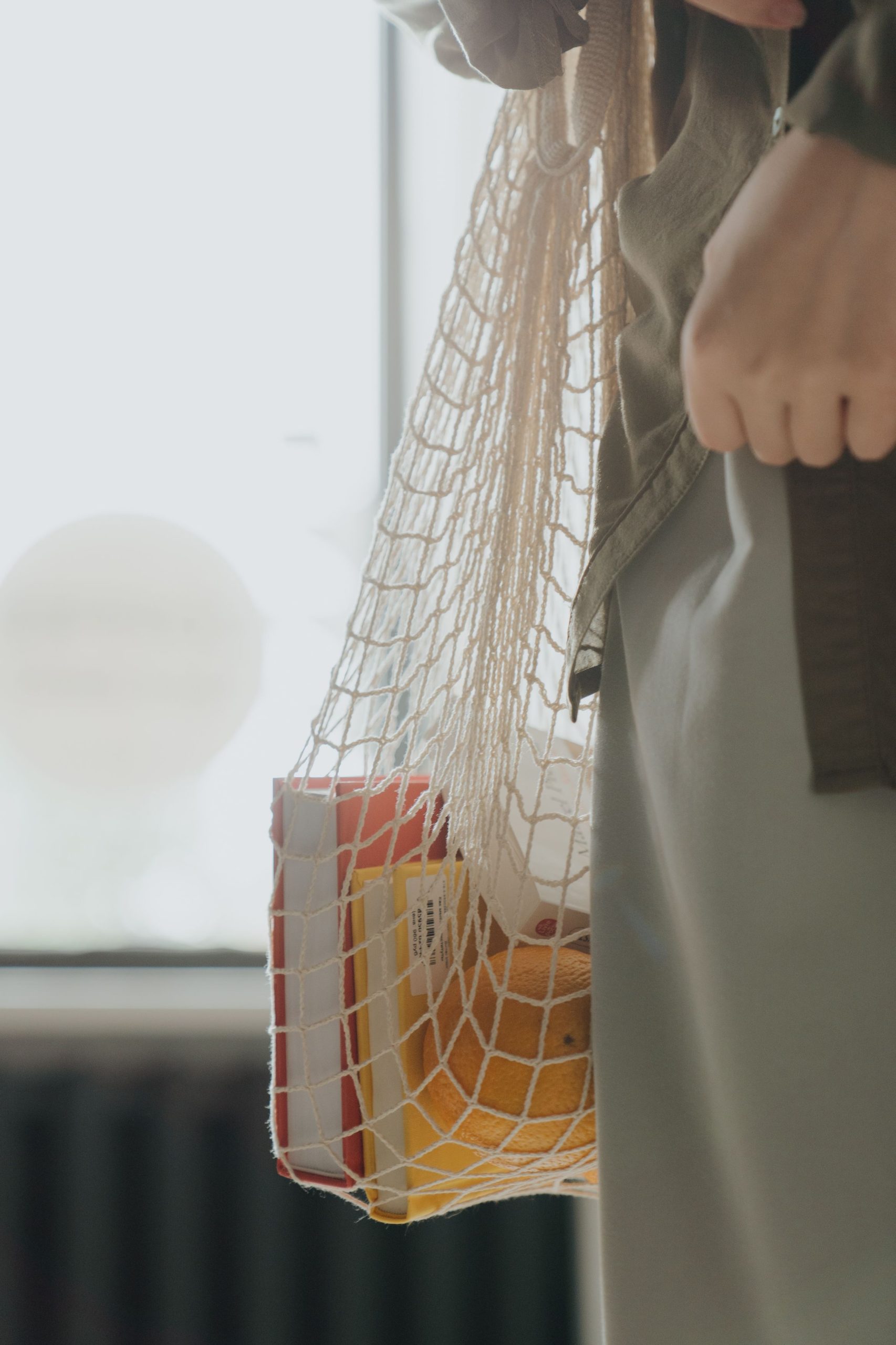
Are you ready to embark on a journey towards sustainability but don’t know where to start? Look no further! This list of the best sustainable living books will guide you through eco-friendly practices and inspire you to make a positive impact on the environment.
From practical tips to inspiring stories, these reads will equip you with the knowledge you need to embrace a greener lifestyle. Dive in and discover the perfect book for your sustainable living journey!
1. “Zero Waste Home” by Bea Johnson – Best For Minimalist Living
This groundbreaking book by Bea Johnson teaches you how to minimize waste in every area of your home. It’s a step-by-step guide on living a zero-waste lifestyle, inspiring thousands to reduce their environmental footprint.
Key Features:
- Practical tips for reducing waste
- Step-by-step action plans
- Real-life examples from families living zero waste
Pros:
- Comprehensive guide to minimalism
- Easy to follow
- Motivational and inspiring
Cons:
- May feel overwhelming for beginners
- Requires significant lifestyle changes
2. “The Simple Life Guide to Decluttering Your Home” by Gary Collins – Best For Clarity
Gary Collins’ book is a fantastic resource for those looking to declutter their homes while adopting sustainable practices. It emphasizes the importance of simplicity and intentional living.
Key Features:
- Proven decluttering techniques
- Guide to sustainable habits
- Tips on maintaining a clutter-free life
Pros:
- Easy to digest and implement
- Encourages mindfulness
- Suitable for all lifestyles
Cons:
- Some techniques may feel repetitive
- Less focus on environmental issues
3. “The Conscious Closet” by Elizabeth L. Cline – Best For Sustainable Fashion
Elizabeth Cline unravels the world of fast fashion and offers eco-friendly alternatives. This book equips readers with knowledge on creating a sustainable wardrobe that reflects their values.
Key Features:
- Insightful statistics on fashion waste
- Practical solutions for sustainable clothing
- Guide to ethical brands
Pros:
- Eye-opening information
- Accessible for beginners
- Encourages smart shopping habits
Cons:
- Focuses primarily on fashion
- May not appeal to all audiences
4. “Braiding Sweetgrass” by Robin Wall Kimmerer – Best For Nature Connection
This beautifully written book combines indigenous wisdom with scientific knowledge. Kimmerer’s stories highlight the importance of forming a deep connection with nature and understanding our role in the ecosystem.
Key Features:
- Inspirational storytelling
- Blend of science and spirituality
- Emphasis on gratitude and reciprocity
Pros:
- Richly illustrative prose
- Encourages a profound connection with the environment
- Thought-provoking
Cons:
- More philosophical than practical
- Not a traditional how-to guide
5. “How to Give Up Plastic” by Will McCallum – Best For Practical Solutions
Will McCallum provides an essential guide to reducing plastic waste in your daily life. This practical book offers straightforward solutions to one of the biggest environmental challenges of our time.
Key Features:
- Step-by-step action plan
- Comprehensive resources for alternatives
- Informative statistics on plastic use
Pros:
- Highly actionable advice
- Inspiring call to action
- Clear and concise writing
Cons:
- Some strategies may feel unrealistic
- Limited focus on larger policy issues
6. “The New Organic Grower” by Eliot Coleman – Best For Gardening Enthusiasts
For those wanting to grow their own food, Eliot Coleman’s book on organic gardening is invaluable. It covers everything from soil health to pest management, making it perfect for beginners.
Key Features:
- Guidance on organic farming techniques
- Focus on sustainability
- Detailed illustrations and photographs
Pros:
- Encourages self-sufficiency
- Very informative
- Suitable for all gardening levels
Cons:
- Some techniques may require dedicated space
- Could be too technical for casual gardeners
7. “This Changes Everything” by Naomi Klein – Best For Activism
Naomi Klein makes a compelling argument for rethinking our approach to climate change. This book is a powerful call to action for anyone passionate about environmental activism and social justice.
Key Features:
- Analysis of current climate policies
- Impact of capitalism on the environment
- Call for grassroots activism
Pros:
- Provocative and engaging writing
- Encourages political awareness
- Offers hope and solutions
Cons:
- More political than practical
- May be polarizing for some readers
8. “The Art of Simple Living” by Shunmyo Masuno – Best For Mindfulness
In this beautifully illustrated book, Zen monk Shunmyo Masuno shares insights on simplifying life. It emphasizes living simply, which can naturally lead to more sustainable habits.
Key Features:
- Meditations on simplicity
- Practical exercises for daily life
- Beautiful illustrations
Pros:
- Calming and thoughtful approach
- Encourages mindfulness
- Simple yet effective practices
Cons:
- Less focused on tangible environmental actions
- More philosophical in nature
How to Choose the Right Sustainable Living Book
When choosing a book, consider your personal interests and goals. Are you looking to minimize waste, grow your own food, or delve into clothing choices? Each book offers unique insights tailored to different aspects of sustainable living. Start with one that speaks to your current lifestyle and aspirations, and let your sustainable journey unfold!
#SustainableLiving #EcoFriendly #BeginnerEnvironmentalists #GreenBooks #ZeroWaste #MindfulLiving #OrganicGardening #SustainableFashion