
Are you struggling with poor blood circulation? It can lead to a variety of health issues, from fatigue to more serious conditions. The good news is that by adopting simple daily habits, you can significantly enhance your blood flow and overall well-being.
This listicle reveals eight effective habits that not only improve circulation but also promote a healthier lifestyle. Let’s dive in and discover how you can boost your blood flow and feel revitalized!
1. Stay Hydrated – Best For Maintaining Blood Volume
Staying hydrated is crucial for maintaining an optimal blood volume, which directly affects circulation. Water helps to keep blood viscous, ensuring smooth flow throughout your body.
Key Features:
- Flushes out toxins
- Maintains blood volume
- Prevents dehydration-related circulatory issues
Pros:
- Easy and inexpensive
- Enhances energy levels
- Supports overall health
Cons:
- Requires discipline to drink enough water
- Too much can lead to overhydration
- May not address underlying issues
2. Regular Exercise – Best For Heart Health
Engaging in regular physical activity strengthens your heart and improves circulation. Aerobic exercises, such as walking, jogging, or swimming, are especially beneficial.
Key Features:
- Strengthens the heart
- Enhances lung capacity
- Improves muscle function
Pros:
- Can be adapted to any fitness level
- Boosts mood and mental clarity
- Fights fatigue
Cons:
- May require time commitment
- Potential for injury if not done properly
- Requires motivation to maintain consistency
3. Healthy Diet – Best For Nutrient Supply
A balanced diet rich in vitamins and minerals, especially Omega-3 fatty acids, can enhance blood circulation. Foods like fish, nuts, fruits, and leafy greens offer essential nutrients for blood vessel health.
Key Features:
- Rich in antioxidants
- Supports heart health
- Reduces inflammation
Pros:
- Improves overall health
- Helps in weight management
- Variety of delicious options available
Cons:
- Requires planning and preparation
- Can be expensive
- May need to avoid processed foods
4. Compression Socks – Best For Leg Circulation
Wearing compression socks can help to improve blood circulation in the legs, especially for those who sit or stand for long periods. They work by applying pressure to the legs, promoting better blood flow.
Key Features:
- Enhances venous return
- Reduces swelling
- Increases comfort
Pros:
- Effective for people with sedentary jobs
- Relieves discomfort from varicose veins
- Available in various styles
Cons:
- Potential for improper sizing
- Can be uncomfortable for some
- Not a complete solution
5. Stretching and Yoga – Best For Flexibility
Incorporating stretching or yoga into your daily routine can help to improve flexibility and promote better blood circulation. These practices enhance oxygen flow and help relax muscles and blood vessels.
Key Features:
- Increases flexibility
- Reduces stress
- Enhances blood flow
Pros:
- Can be done at home
- Improves mental health
- Promotes relaxation
Cons:
- Requires time and commitment
- Class costs can add up
- Risk of injury if not practiced properly
6. Massage Therapy – Best For Muscle Relaxation
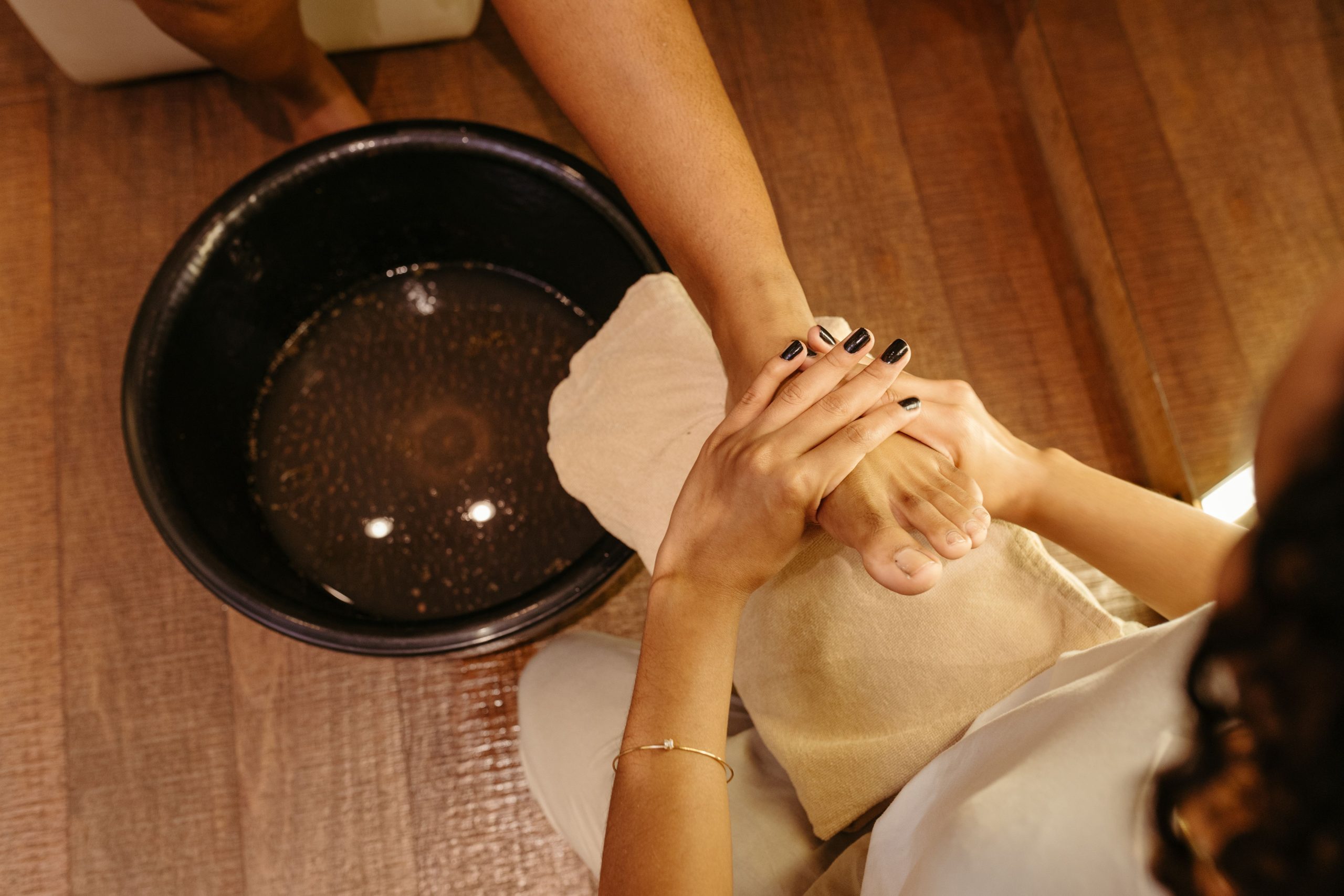
Massage therapy is a wonderful way to stimulate blood flow and relieve tension in the muscles. Regular massages can enhance circulation by improving lymphatic drainage and reducing muscle tightness.
Key Features:
- Reduces muscle soreness
- Enhances relaxation
- Improves lymphatic circulation
Pros:
- Can be therapeutic for various conditions
- Promotes overall well-being
- Customizable based on needs
Cons:
- Can be costly
- Requires scheduling
- Not suitable for everyone
7. Elevate Your Legs – Best For Reducing Swelling
Elevating your legs during breaks can significantly improve blood circulation and reduce swelling. This simple habit helps to alleviate pressure on veins and improves blood return to the heart.
Key Features:
- Reduces leg swelling
- Improves circulation
- Can be done anywhere
Pros:
- Quick and simple
- Requires no special equipment
- Relieves discomfort after standing or sitting
Cons:
- May be inconvenient in public settings
- Not a standalone solution for circulation issues
- Limited impact without additional habits
8. Quit Smoking – Best For Long-Term Health
Quitting smoking is one of the most impactful changes you can make to improve blood circulation. Smoking causes blood vessels to constrict and reduces overall blood flow, leading to long-term health issues.
Key Features:
- Improves vascular health
- Enhances oxygen levels in the blood
- Reduces risk of heart disease
Pros:
- Such a significant lifestyle change benefits overall health
- Can be supported with various resources
- Immediate and long-term health improvements
Cons:
- Withdrawal symptoms can be challenging
- Requires strong motivation
- May need professional support
How to Choose the Right Habits for You
To effectively improve your blood circulation, adopt habits that fit your lifestyle. Start with small changes by incorporating one or two habits from this list, and gradually introduce more as you progress. Remember, consistency is key!
#BloodCirculation #HealthyHabits #Wellness #Fitness #HeartHealth #NaturalRemedies #HealthyLifestyle #SelfCare