
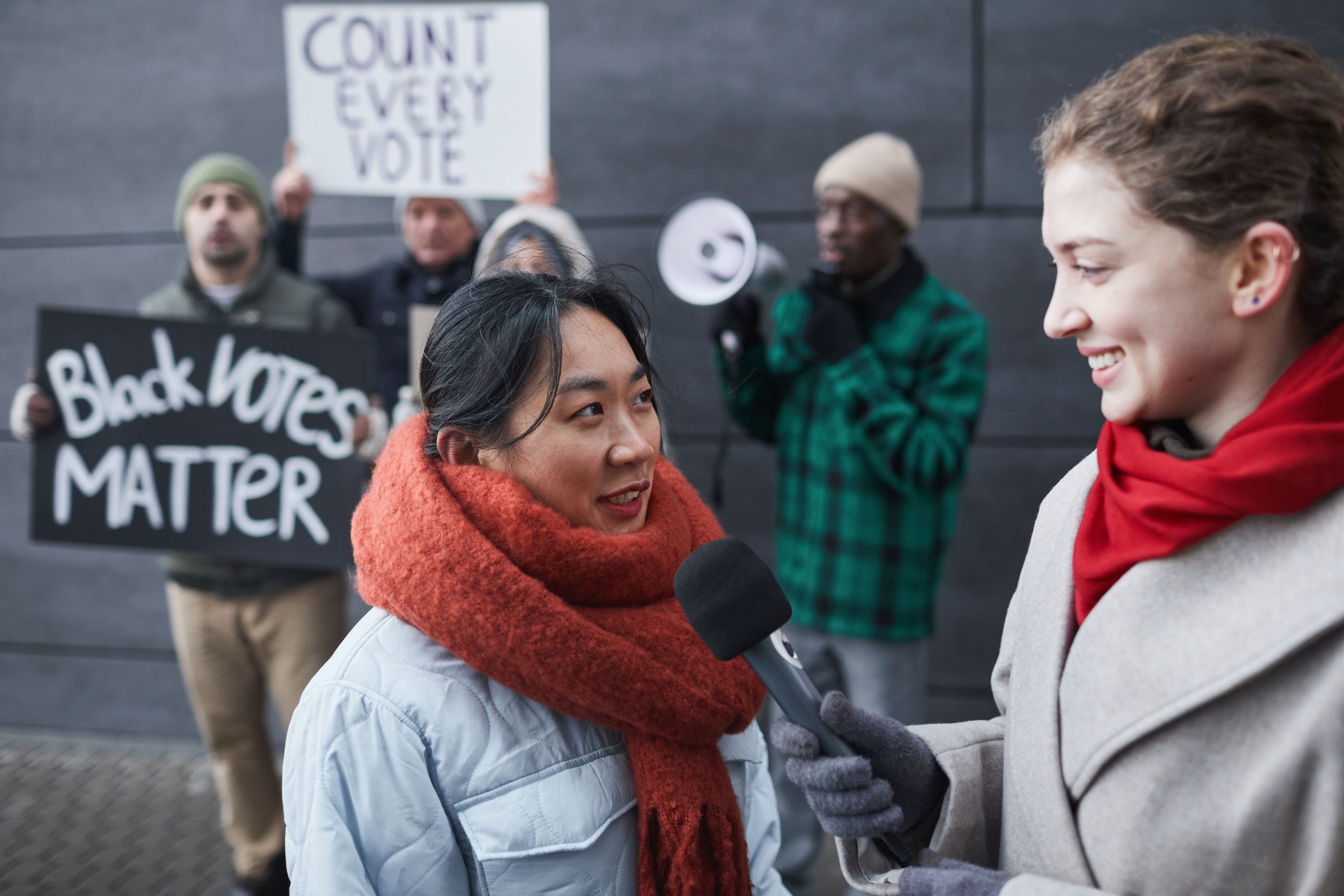
Media bias and the way elections are covered play a crucial role in shaping our perspectives and understanding of politics. With the rise of information overload, it’s essential to critically analyze how news shapes public opinion. This list of documentaries dives deep into the complexities of media influence during elections, revealing startling truths that everyone should know.
From investigative journalism to expose-style features, these films not only highlight the flaws in media coverage but also encourage viewers to reflect on their own media consumption habits. Let’s explore these eye-opening documentaries that will have you questioning everything you thought you knew.
1. The Great Hack – Best for Understanding Data Manipulation
This documentary exposes how big data and social media manipulation are transforming democracy and impacting elections. It highlights the role of Cambridge Analytica in the 2016 U.S. elections and its ramifications on global politics.
Key Features:
- Explains the intersection of technology and politics.
- Features interviews with whistleblowers and experts.
- Highlights the consequences of targeted advertising on democracy.
Pros:
- Engaging storytelling.
- Accurate and well-researched.
- Timely relevance to current political issues.
Cons:
- Some may find it too technical.
- Lacks a wider focus on non-digital manipulation.
2. Requiem for the American Dream – Best for Dissecting Wealth Influence
Noam Chomsky’s insights drive this documentary, which delves into the systematic distortion of political and media perspectives through wealth concentration. It examines how the elite influence democratic processes and media narratives.
Key Features:
- In-depth exploration of the role of wealth in politics.
- Chomsky’s compelling arguments challenge the status quo.
- Offers a philosophical perspective on media and power.
Pros:
- Thought-provoking and insightful.
- Presents complex ideas simply.
- Critical acclaim and recognition.
Cons:
- May be too academic for casual viewers.
- Limited visuals, mostly talking heads.
3. The Fog of War – Best for Historical Context
This documentary features Robert S. McNamara, who served as U.S. Secretary of Defense during the Vietnam War. It offers a startling view of government decisions and how media narratives were shaped, influencing public perception.
Key Features:
- Unique personal perspective from a key historical figure.
- Integration of archival footage and interviews.
- Highlights the inaccuracies in media war coverage.
Pros:
- Emotionally engaging.
- Rich historical analysis.
- Award-winning documentary (Academy Award).
Cons:
- May not focus enough on media bias specifically.
- Can feel dense or complex at times.
4. Slant – Best for Uncovering Bias in Media
Slant takes viewers behind the scenes to reveal how media outlets skew information to fit particular narratives. The documentary features interviews with journalists and experts who discuss the responsibility of the media.
Key Features:
- Investigates several major media networks.
- Includes case studies of biased election reporting.
- Calls for ethical practices in journalism.
Pros:
- Informative and engaging.
- Encourages critical thinking.
- Accessible to a wide audience.
Cons:
- Some content may be controversial.
- Can come across as one-sided.
5. We Are the Giant – Best for Global Perspectives
This documentary captures the global protests against injustice and corruption, highlighting how media coverage shapes these movements. It emphasizes the intersection of media, citizen engagement, and electoral processes worldwide.
Key Features:
- Features international protests and movements.
- Illustrates the power of grassroots activism.
- Explores the role of social media in organizing.
Pros:
- Visually striking and impactful.
- Shows the global relevance of local issues.
- Comprehensive view of various movements.
Cons:
- May lack focused analysis of election-specific coverage.
- Complex narrative can be hard to follow.
How to Choose
When selecting a documentary on media bias and election coverage, consider your interests: are you looking for historical context, specific case studies, or a more general view? Think about whether you prefer engaging storytelling or deep analysis, and don’t hesitate to explore various perspectives to get a well-rounded understanding of the topic.
#MediaBias #ElectionCoverage #Documentaries #PoliticalDocumentaries #MediaInfluence #Awareness #SocialMediaImpact