
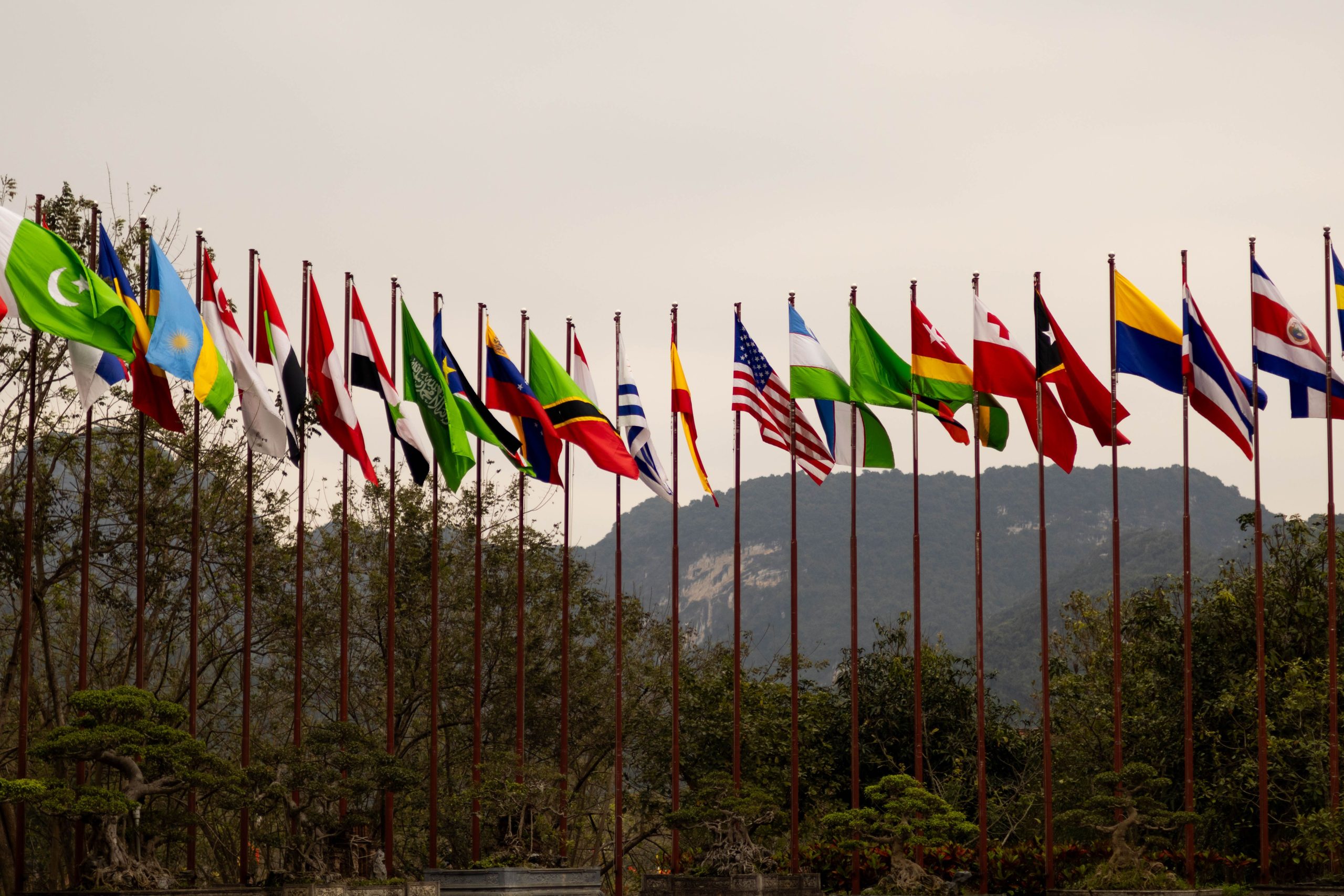
Are you eager to dive into the fascinating world of diplomatic history and learn how peace accords have shaped our global landscape? Whether you’re a student, history buff, or simply curious about how nations can resolve conflicts, these top books highlight pivotal treaties and the figures behind them. Get ready to explore compelling narratives and insightful analyses of some of the most monumental agreements in history!
This list covers essential readings that provide not just facts but also the context and human stories that breathe life into those historic pages. Let’s uncover these excellent resources!
1. Peace Like a River – Best For Understanding Human Resilience
This heartwarming novel intertwines the story of a family’s quest for justice in a turbulent age, illustrating how personal struggles often parallel broader societal efforts for peace. The narrative highlights the bond between individual resolve and global harmony.
Key Features:
- Fictional yet insightful portrayal of the quest for justice
- Explores themes of faith, love, and perseverance
- Weaves historical events with personal narrative
Pros:
- Engaging storytelling style
- Deep emotional connections
- Unique perspective on how personal and global conflicts intersect
Cons:
- Not a traditional history book
- Some readers may prefer more factual accounts
2. The Peace Negotiations of the American Revolution – Best For Historical Accuracy
Focusing on the American Revolution peace negotiations, this book meticulously examines the contentious treaty talks that led to independence. It’s a remarkable exploration of strategy, diplomacy, and international relations.
Key Features:
- Thoroughly researched with primary sources
- Detailed accounts of the negotiation processes
- Illustrates lessons applicable to modern diplomacy
Pros:
- Rich in historical detail
- Insightful for students of history and diplomacy
- Well-structured analysis of political maneuvering
Cons:
- May be dense for casual readers
- Limited focus on other global conflicts
3. The Treaty of Versailles: A History – Best For In-Depth Analysis
This book offers a comprehensive look at one of the most important treaties in modern history, delving into its implications and the widespread impact it had on world affairs. The author captures the complexity of post-World War I diplomacy.
Key Features:
- Analyses causes and consequences of the treaty
- Digs into the politics of the time
- Incorporates voices of various nations involved
Pros:
- Highly informative and thought-provoking
- Great for understanding the roots of modern conflicts
- Accessible to both academics and general readers
Cons:
- May focus too heavily on the European perspective
- Lengthy discussions may deter some readers
4. The United Nations and the Peacekeeping Paradigm – Best For Examining Global Institutions
In this exploration of UN peacekeeping efforts, the author examines how international forces have intervened in global conflicts. It is a must-read for anyone interested in the mechanics of international cooperation and peace maintenance.
Key Features:
- Discusses various peacekeeping missions
- Examines the theoretical framework of peacekeeping
- Highlights successes and failures
Pros:
- Broad scope covering numerous conflicts
- Practical insights into international law
- Well-researched and authoritative
Cons:
- Heavy on political jargon
- May require background knowledge of international relations
5. Diplomacy: A Game of Power – Best For Strategic Insights
This book delves into the strategies employed by diplomats throughout history, providing lessons learned from successful peace accords and negotiations. It’s ideal for those looking to understand the art of negotiation as much as the events themselves.
Key Features:
- Explains negotiation techniques used in diplomatic history
- Intersperses real-world examples with analysis
- Offers practical advice for modern diplomats
Pros:
- Engaging and practical for future diplomats
- Broad range of historical examples
- Accurate and easy to understand
Cons:
- May oversimplify complex issues
- Some readers may seek more theoretical insights
How to Choose the Right Book on Diplomatic History
When selecting a book about diplomatic history and peace accords, consider your interests: Are you drawn to personal narratives, detailed historical accounts, or theoretical analyses? Look for recommendations and read previews to find a style and subject matter that resonates with you. Whether for academic purposes or personal curiosity, there’s a plethora of literature available to deepen your understanding of international diplomacy.
#DiplomaticHistory #WorldPeace #PeaceAccords #InternationalRelations #HistoryBooks #UNPeacekeeping