
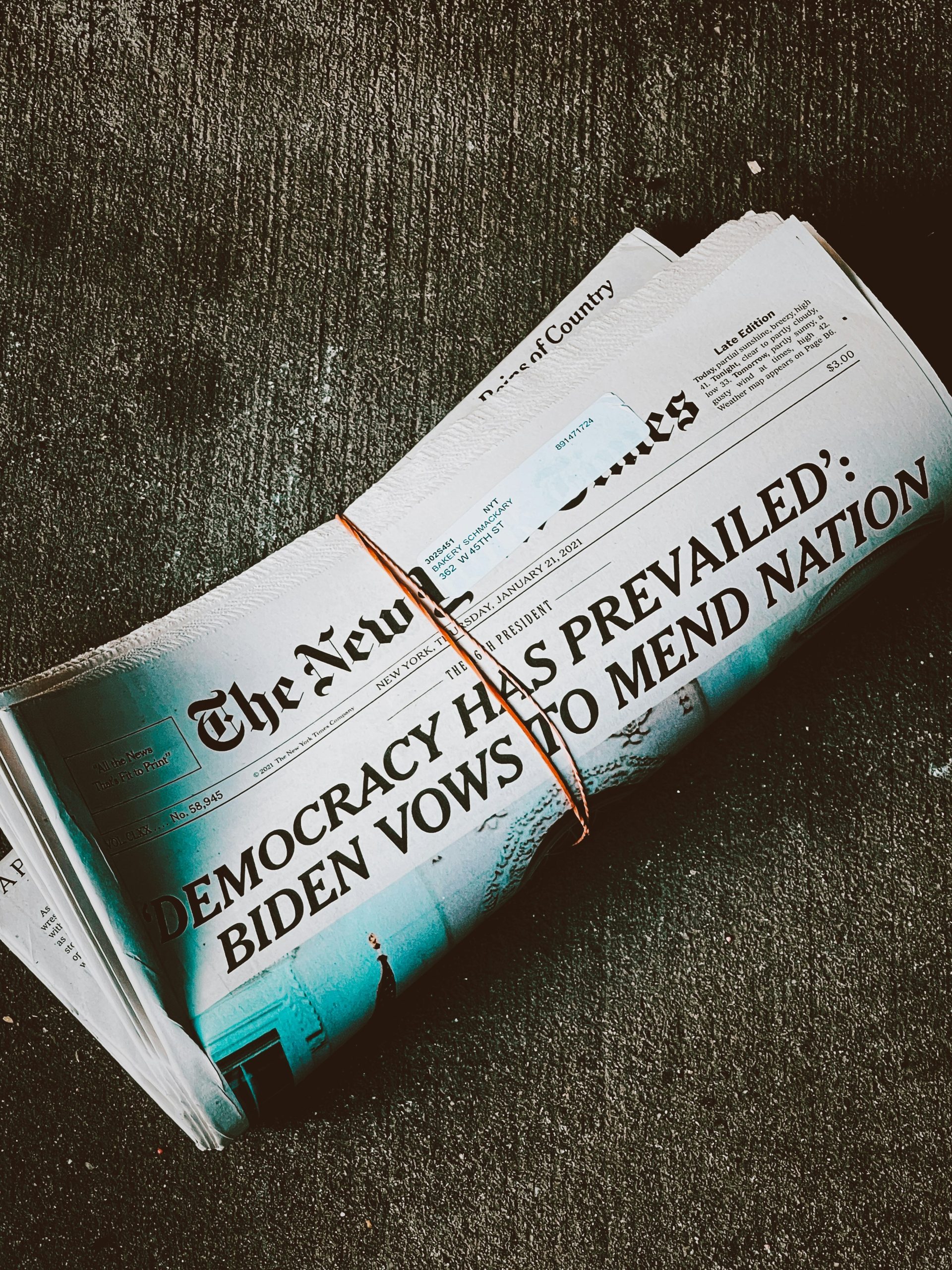
Understanding the differences between parliamentary and presidential democracies can be complex, but it’s crucial for grasping how governments function globally. This listicle dives into seven essential structural studies that highlight the strengths and weaknesses of each system.
From the UK to the USA, the style of governance shapes political stability and citizen engagement. Let’s explore these pivotal studies to clarify the nuances between these two prominent democratic structures!
1. The Comparative Analysis of Democracy
This study delves into how parliamentary and presidential systems perform in terms of governance, stability, and citizen participation. It reveals significant variances in political outcomes based on governance structures.
Key Features:
- Differentiates between governance outcomes
- Focuses on citizen engagement
- Evaluates political stability metrics
Pros:
- Comprehensive comparisons
- Actionable insights for policymakers
- Informs public debate
Cons:
- May oversimplify complex systems
- Requires careful interpretation
- Not exhaustive in scope
2. Stability in Governance: A Global Perspective
This research assesses how different democratic structures impact governance stability. It draws connections between the effectiveness of parliamentary systems and their resilience during crises.
Key Features:
- Global case studies
- Focus on crisis governance
- Explores the role of checks and balances
Pros:
- Well-researched data
- Real-world examples
- Identifies patterns across countries
Cons:
- May overlook cultural factors
- Potential for bias in case selection
- Complex terminology
3. Citizen Participation and Electoral Systems
This study investigates how electoral systems in parliamentary vs. presidential democracies affect citizen participation in politics. It highlights the nuances of voter engagement.
Key Features:
- Analysis of voter turnout
- Examines electoral design
- Focuses on representation
Pros:
- Insightful recommendations
- Highlights barriers to participation
- Informative for electoral reform
Cons:
- Limited geographical focus
- May exclude rural perspectives
- Requires prior understanding of concepts
4. Accountability in Different Democratic Structures
This research details how accountability mechanisms function within parliamentary and presidential systems, outlining how these affect governance and trust in institutions.
Key Features:
- Covers various accountability frameworks
- Explains effectiveness in practice
- Compares public sector accountability
Pros:
- Clear and concise explanations
- Practical implications for governance
- Supports the importance of transparency
Cons:
- May lack empirical depth
- Potential bias in assessment
- Limited case studies included
5. The Role of Political Parties in Different Systems
This study examines how political parties operate under parliamentary and presidential systems, influencing the political landscape and operational effectiveness.
Key Features:
- Comparative analysis of party dynamics
- Explores coalition building
- Assesses influence on legislation
Pros:
- In-depth evaluations
- Useful for party strategists
- Highlights system-specific challenges
Cons:
- May not account for independent movements
- Potentially narrow focus on major parties
- Requires extensive political knowledge
6. Governance Reforms: Lessons from Practice
This document reflects on governance reforms across different democratic regimes, offering insights into successful adaptations and failures in both parliamentary and presidential contexts.
Key Features:
- Compilation of real-world reform examples
- Focus on outcomes and lessons learned
- Identifies trends in reforms
Pros:
- Pragmatic insights
- Alerts to potential pitfalls
- Encourages adaptive capacities
Cons:
- Generalized recommendations
- Context-specific challenges may be glossed over
- Risk of overestimating success rates
7. Social Impact of Democratic Structures
This study looks into how the type of democracy impacts social equality and justice across different populations, providing a sociopolitical understanding of governance.
Key Features:
- Focus on social justice issues
- Evaluates equity in public policies
- Discusses historical context
Pros:
- Addresses critical social issues
- Highlights inequalities in governance
- Provides a holistic view of democracy
Cons:
- Highly contextualized analysis
- May fail to consider unique national circumstances
- Requires a nuanced understanding of sociology
How to Choose the Right Democratic Model for Sustainable Governance
When determining the appropriate democratic structure, consider factors such as the political culture, the desired level of citizen engagement, and historical precedents. A successful governance model harmonizes institutional design with societal needs, ensuring representation and stability.
#Democracy #Parliamentary #Presidential #Governance #PoliticalStudies #CitizenEngagement #Accountability #SocialImpact