
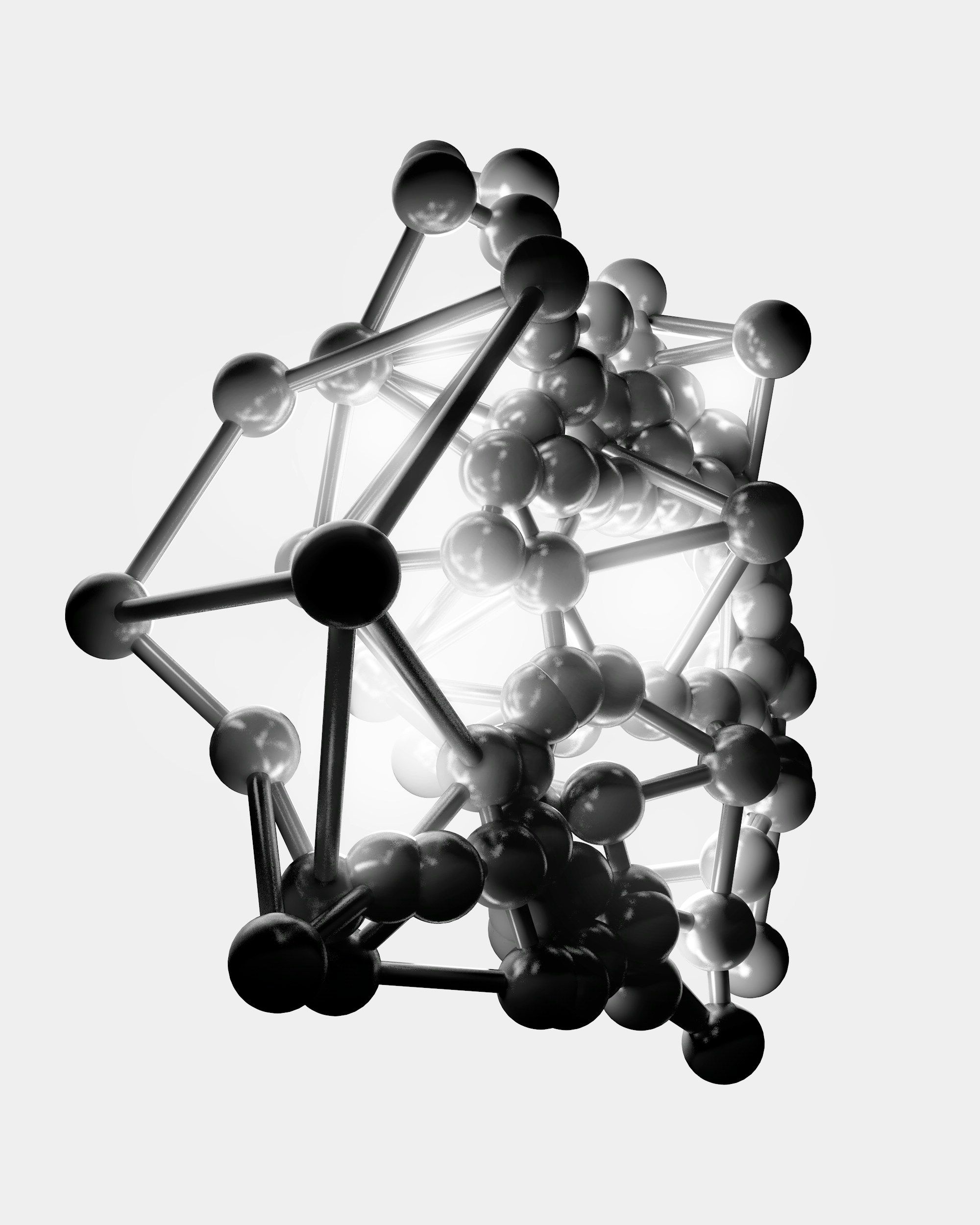
Inorganic chemistry can be a challenging subject, but understanding coordination complexes is key for succeeding in your studies. Coordination complexes involve central metal atoms surrounded by molecules or ions, leading to fascinating properties and reactivity. This listicle breaks down the top principles in coordination chemistry, making your learning experience more enjoyable and impactful.
Whether you’re a chemistry student, a researcher, or simply a curious mind, mastering these principles will enhance your comprehension of inorganic chemistry and help you excel in your academic pursuits.
1. Ligand Strength – Understanding Donor Properties
The strength of the ligand significantly influences the stability and formation of coordination complexes. Strong field ligands can provide greater stabilization to the metal center compared to weak field ligands.
Key Features:
- Classification of ligands: strong field vs. weak field.
- Impact on splitting of d-orbitals.
- Role in determining magnetic properties.
Pros:
- Crucial for predicting complex behavior.
- Aids in designing new materials.
- Enhances understanding of reaction mechanisms.
Cons:
- Can be complex to categorize all ligands.
- Requires substantial practice to master.
- May lead to misconceptions if oversimplified.
2. Coordination Number – The Geometry of Bonding
The coordination number refers to the total number of ligand atoms that are bonded to the central metal atom. This number is essential for understanding the geometry of the complex.
Key Features:
- Common coordination numbers: 2, 4, and 6.
- Effects on the molecular shape: octahedral, tetrahedral, linear.
- Influences on the properties of the compound.
Pros:
- Clear guidelines for predicting structures.
- Useful in designing coordination compounds.
- Essential for understanding molecular symmetry.
Cons:
- Some exceptions exist in coordination numbers.
- Geometry can get complicated with large ligands.
- Requires visualization skills for complex shapes.
3. Chelation – The Power of Multidentate Ligands
Chelation involves the formation of multiple coordination bonds between a single ligand and a metal ion. This principle can greatly enhance the stability and bioavailability of metal complexes.
Key Features:
- Multidentate ligands form loops around the metal.
- Stronger overall bonds compared to monodentate ligands.
- Crucial in biological systems, e.g., hemoglobin.
Pros:
- Increases stability and resilience of complexes.
- Widely applicable in medical and environmental chemistry.
- Enhances solubility and absorption in biological systems.
Cons:
- Chelaing agents can sometimes be toxic.
- Complexity in synthesis may arise.
- Risk of ligand competition affecting outcomes.
4. Crystal Field Theory – Explaining Color and Magnetism
Crystal Field Theory provides a framework for understanding the electronic structure of coordination complexes. It elucidates how different ligand arrangements affect color and magnetic properties.
Key Features:
- Explains d-orbital splitting in various geometries.
- Connects electronic transitions to color observed.
- Assists in predicting magnetic behavior (e.g., paramagnetic vs. diamagnetic).
Pros:
- Clarifies relationships between structure and properties.
- Essential for many fields including spectroscopy.
- Enhances knowledge of electronic transitions.
Cons:
- Oversimplifies some of the complexities of bonding.
- May not account for covalent character fully.
- Requires a good grasp of quantum mechanics.
5. Isomerism – Diversity in Coordination Complexes
Coordination complexes can exhibit various forms of isomerism, including structural and stereoisomerism. Understanding these concepts is critical for discerning the behavior and application of coordination compounds.
Key Features:
- Types include geometric, optical, and linkage isomers.
- Influences physical and chemical properties.
- Essential for distinguishing between potentially different reactivities.
Pros:
- Enhances depth of study in coordination chemistry.
- Critical for developing new materials and catalysts.
- Advances understanding of reaction pathways.
Cons:
- Can be difficult to identify and separate isomers.
- Complex reactions can complicate studies.
- May require advanced analytical techniques.
6. Electrophilicity – Reactivity of Metal Centers
The electrophilicity of metal centers in coordination complexes determines their reactivity toward nucleophiles. This principle is key for predicting reaction mechanisms and outcomes in organic and inorganic reactions.
Key Features:
- Metal oxidation states greatly influence electrophilicity.
- Interactions with ligands alter reactivity.
- Critical for catalysis and material synthesis.
Pros:
- Helps predict reaction rates and mechanisms.
- Allows for the design of specific catalysts.
- Enhances understanding of reaction conditions.
Cons:
- Can be highly variable depending on metal and ligand.
- Some theoretical assumptions may lead to errors.
- Requires a solid understanding of metal chemistry.
7. Application in Medicine – Therapeutic Use of Coordination Complexes
Coordination complexes play a vital role in medical applications, from drug development to diagnostic imaging. They are indispensable in modern medicine.
Key Features:
- Used in chemotherapy drugs (e.g., cisplatin).
- Essential for medical imaging techniques (e.g., MRI contrast agents).
- Facilitate targeted drug delivery.
Pros:
- Improves effectiveness and precision in treatments.
- Reduces side effects through specific targeting.
- Expands the possibilities in drug design.
Cons:
- Potential for toxicity and side effects.
- Complicated regulatory approval processes.
- Requires interdisciplinary expertise.
How to Choose the Right Principles to Focus On
When diving into coordination chemistry, identify your specific interests or requirements. Whether you’re focusing on theoretical understanding or practical applications, prioritize the principles that align best with your goals. Use practice problems to apply these concepts and deepen your comprehension.
#InorganicChemistry #CoordinationComplexes #ChemistryEducation #ChemistryPrinciples #ScienceLearning #STEM #CoordinationNumber #LigandStrength