
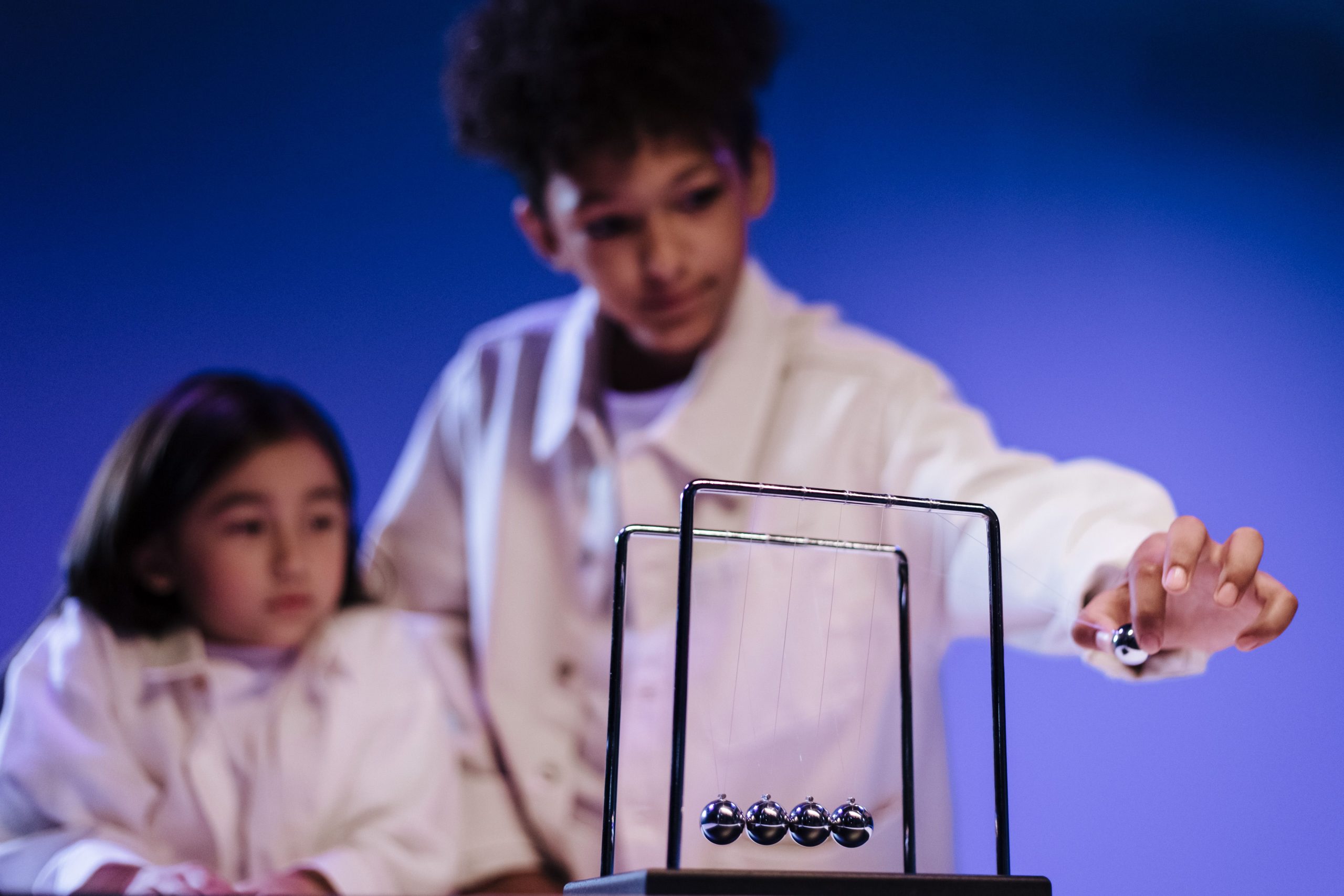
If you’re looking for an exciting way to spark your interest in physics, you’ve landed in the right spot! These 10 hands-on science fair project ideas are designed to engage your curiosity and make learning about physics fun and interactive. From amazing demonstrations to easy-to-replicate experiments, there’s something for everyone!
Whether you’re a beginner or looking to challenge yourself, these projects will not only impress your classmates but also deepen your understanding of essential physics concepts. Let’s dive in!
1. Balloon Rocket – Best For Demonstrating Newton’s Third Law
Create a simple balloon rocket to visualize the principles of propulsion and Newton’s Third Law of Motion. This project is a fantastic addition for beginners who want to grasp the basic concepts of force and motion.
Key Features:
- Simple materials: balloon, string, straws
- Interactive and fun
- Demonstrates physics concepts effectively
Pros:
- Easy to set up and execute
- Visual and engaging demonstration
- Suitable for all ages
Cons:
- Only works indoors with enough space
- Limited data analysis opportunities
2. Egg Drop Challenge – Best For Studying Impact Forces
Design a protective container for an egg and drop it from a height to test its strength against impact forces. It’s a great way to learn about gravity, momentum, and engineering design!
Key Features:
- Customizable protection methods
- Focus on engineering principles
- Encourages creative thinking
Pros:
- Hands-on problem-solving experience
- Fun and competitive aspect
- Great for teamwork with friends
Cons:
- Can be messy
- Requires a testing environment with height
3. Magnetic Levitation Train – Best For Exploring Magnetism
This project uses magnets to demonstrate how magnetic levitation works. Create your own mini maglev train using neodymium magnets and experience physics in action!
Key Features:
- Explains concepts of magnetism and levitation
- Involves DIY building techniques
- Visual and captivating experiment
Pros:
- Impressive and unique project
- Encourages hands-on skills
- Great for physics understanding
Cons:
- Requires specific materials
- May need assistance for assembly
4. DIY Periscope – Best For Exploring Reflection
Build your own periscope using mirrors and cardboard to understand how reflection works. This project is simple yet demonstrates crucial principles of optics.
Key Features:
- Use everyday materials
- Teaches about light and angles
- Easy to modify and decorate
Pros:
- Engaging and easy to replicate
- Great discussion starter about light
- Fun for all ages
Cons:
- Limited depth of physics exploration
- Struggles with long-distance viewing
5. Solar Oven – Best For Harnessing Solar Energy
Create a solar oven using a pizza box and learn about renewable energy and the greenhouse effect. It’s a tasty project that merges physics with environmental science!
Key Features:
- Utilizes solar energy for cooking
- Hands-on learning about heat transfer
- Eco-friendly project
Pros:
- Real-world application of solar energy
- Fun cooking and tasting opportunity
- Encourages discussions on sustainability
Cons:
- Dependent on weather conditions
- Limited cooking capacity
6. Simple Circuit Model – Best For Learning About Electricity
Build a basic circuit with a battery, wire, and light bulb to understand current, voltage, and resistance. This hands-on project is a fantastic introduction to electricity!
Key Features:
- Basic components: battery, wires, bulb
- Visual understanding of electricity flow
- Customizable circuit designs
Pros:
- Easy to assemble
- Great for understanding fundamentals of electronics
- Flexibility in complexity
Cons:
- Requires supervision for younger students
- Limited depth for advanced learners
7. Water Rocket – Best For Investigating Newton’s Third Law
Launch a water rocket to explore principles of force and thrust. This exhilarating project showcases the effect of propulsion through a cool visual experiment!
Key Features:
- Dynamic and exciting launch
- Easy to adjust water levels
- Teaches physics concepts effectively
Pros:
- Highly engaging for all ages
- Perfect for outdoor experiments
- Simple to construct from household materials
Cons:
- Requires a suitable launch area
- May need assistance for launching
8. Homemade Seismograph – Best For Studying Earthquakes
Construct a simple seismograph to measure vibrations and simulate seismic activity. This project will give you insights into geology and earth sciences!
Key Features:
- Easy to make with common materials
- Demonstrates the science behind earthquakes
- Interactive experience with movement tracking
Pros:
- Educational and intriguing
- Hands-on experience with data collection
- Great discussion starter about natural disasters
Cons:
- May require calibration
- Dependent on a stable measuring area
9. Pendulum Waves – Best For Exploring Wave Motion
Create a pendulum wave machine to visualize wave motion and frequencies. This artistic project demonstrates physics principles beautifully!
Key Features:
- Visual representation of wave patterns
- Simple materials: string, weights, and a frame
- Teaches about harmonic motion
Pros:
- Visually captivating display
- Simple to create
- Strong connection to physics concepts
Cons:
- Requires patience for setup
- Limited depth in data collection
10. Colorful Density Tower – Best For Understanding Density
Construct a density tower using liquids of various densities to visualize how they separate. This colorful and engaging project explains buoyancy and fluid dynamics!
Key Features:
- Utilizes various liquids for effects
- Visually appealing and educational
- Hands-on learning of density concepts
Pros:
- Great visual representation of physics
- Easy to execute with common household items
- Safe and entertaining for kids
Cons:
- Can be messy
- Requires careful layering
How to Choose the Right Physics Project
When selecting a physics project, consider your interests, the materials available, and the time you have. Choose something that excites you and is appropriate for your understanding level. Make sure to also consider safety guidelines, especially when conducting experiments that involve height, electricity, or heat. Happy experimenting!
#PhysicsProjects #ScienceFairIdeas #STEMActivities #HandsOnLearning #PhysicsExperiments #EducationFun