
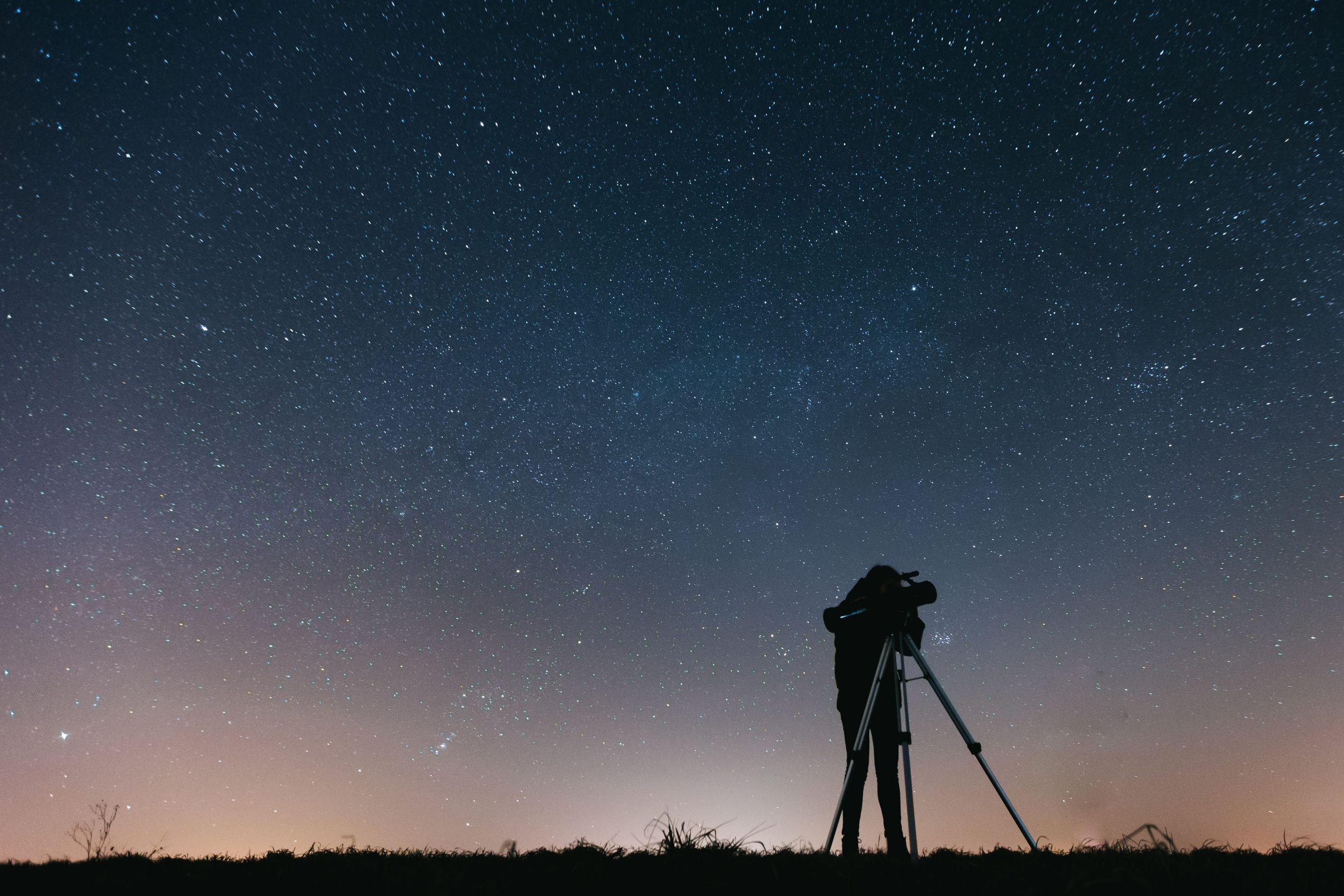
If you’re looking to explore the wonders of the night sky, you’re in for a treat! Astronomy projects can enhance your stargazing experience and provide a deeper understanding of celestial bodies. Whether you’re a novice or an experienced stargazer, these astronomy night sky observation projects will enlighten and inspire you.
From building your own telescope to tracking satellites, this list covers a variety of engaging activities you can undertake to make the most of your time under the stars. Grab your notebook, and let’s dive into these exciting astronomy project ideas!
1. DIY Telescope – Best For Magnified Views of Celestial Bodies
Building your own telescope is a rewarding project that allows you to observe the night sky like never before. With some basic materials and guidance from online tutorials, you can create a functioning telescope that enhances your stargazing experience.
Key Features:
- Hands-on construction for a better understanding of optics.
- Can be customized to your preferences.
- Cost-effective compared to store-bought telescopes.
Pros:
- Enhances your stargazing skills.
- Offers a sense of accomplishment.
- Great educational project for all ages.
Cons:
- Requires patience and a bit of skill.
- Can be time-consuming to build.
2. Star Map Creation – Best For Identifying Constellations
Creating your own star map is a fun way to learn about the constellations visible in your area. Use applications to find the stars and constellations, then chart them in a notebook. This project helps you identify and remember what you see in the night sky.
Key Features:
- Personalized mapping of the night sky.
- Encourages observational skills.
- Perfect for beginners and enthusiasts alike.
Pros:
- Enhances recognition of celestial patterns.
- Increases knowledge of astronomy.
- Can be done solo or in groups.
Cons:
- Requires clear skies for the best results.
- May need reference materials for accuracy.
3. Satellite Tracking – Best For Understanding Human Impact on Space
Tracking satellites is an exciting way to observe human-made objects orbiting the Earth. Using smartphone apps, you can spot when satellites will be visible and measure their paths across the sky.
Key Features:
- Utilizes technology to enhance traditional stargazing.
- Teaches about Earth’s artificial satellites.
- A fun way to engage with friends and family.
Pros:
- Engaging and educational activity.
- Provides a sense of connection to current technology.
- Can spark discussions about space exploration.
Cons:
- Weather-dependent for visibility.
- Requires a smartphone or technical equipment.
4. Meteor Shower Watching – Best For Observing Natural Phenomena
Planning a meteor shower watching event can be a thrilling experience. Find out the schedule of upcoming meteor showers and pick a dark, quiet spot for the best views. Gather friends or family for a night of cosmic wonder!
Key Features:
- Natural spectacle that is free to watch.
- Exciting group activity.
- Opportunity for photography and creativity.
Pros:
- Memorable experience with friends and family.
- Easy to participate in, no special equipment needed.
- Inspires interest in astronomy and natural events.
Cons:
- Timing is essential for maximum visibility.
- Requires patience while watching.
5. Astronomy Journaling – Best For Documenting Your Observations
Keep an astronomy journal to document your observations, thoughts, and discoveries about the night sky. Not only does this improve your observational skills, but it also provides a creative outlet for your stargazing experiences.
Key Features:
- Encourages critical thinking and notes analysis.
- A personal keepsake of your stargazing adventures.
- Easy to start and maintain.
Pros:
- Enhances memories of stargazing experiences.
- Improves writing and observational skills.
- Provides a platform for brainstorming future projects.
Cons:
- Requires discipline to maintain regularly.
- May need additional materials for sketches.
6. Planetarium Software Exploration – Best For Virtual Learning
Using planetarium software can enhance your astronomy education when you can’t get outside. These programs simulate the night sky and offer insights into celestial occurrences. You can learn about constellations, planets, and even travel through the cosmos virtually!
Key Features:
- Interactive and educational experience.
- Simulates real-time celestial events.
- Your own personal planetarium at home.
Pros:
- Accessible regardless of weather conditions.
- Offers in-depth exploration of space phenomena.
- A thrilling experience for inquisitive minds.
Cons:
- Screen-based activity may detract from outdoor experience.
- May require a purchase or subscription for full features.
7. Lunar Photography – Best For Capturing the Moon’s Beauty
Photography is a powerful way to connect with the night sky, especially when it comes to capturing the intricate features of the moon. Use your camera or smartphone to take stunning photos, experimenting with different settings and compositions.
Key Features:
- Combines art with science.
- Encourages exploration of photography techniques.
- Produces beautiful images to share or keep.
Pros:
- Highly creative and rewarding project.
- Can lead to new hobbies and interests.
- Perfect for showcasing on social media.
Cons:
- Requires some camera knowledge for best results.
- Potentially frustrating during equipment setup.
8. Solar System Model – Best For Visual Learning About Celestial Bodies
Creating a scaled model of the solar system can help you visualize distances and sizes in an engaging way. Use everyday materials to create models of planets and their orbits, learning about our celestial neighborhood in the process.
Key Features:
- Hands-on learning experience.
- Visual representation of complex concepts.
- Fun project for individuals and families.
Pros:
- Promotes creativity and critical thinking.
- Great for educational projects or homeschooling.
- Can be displayed as a completed project.
Cons:
- Requires some crafting skills.
- Can be time-consuming to create accurately.
How to Choose the Best Project for You
When selecting an astronomy night sky observation project, consider your interests, available equipment, and the time you can dedicate. Whether you want an educational experience, a creative outlet, or simply something fun to do under the stars, there’s a project for everyone. Start by picking one that excites you the most and dive right in!
#AstronomyProjects #Stargazing #NightSky #Astrophotography #DIYTelescope #CosmicExploration #MeteorShowers #SpaceEducation