
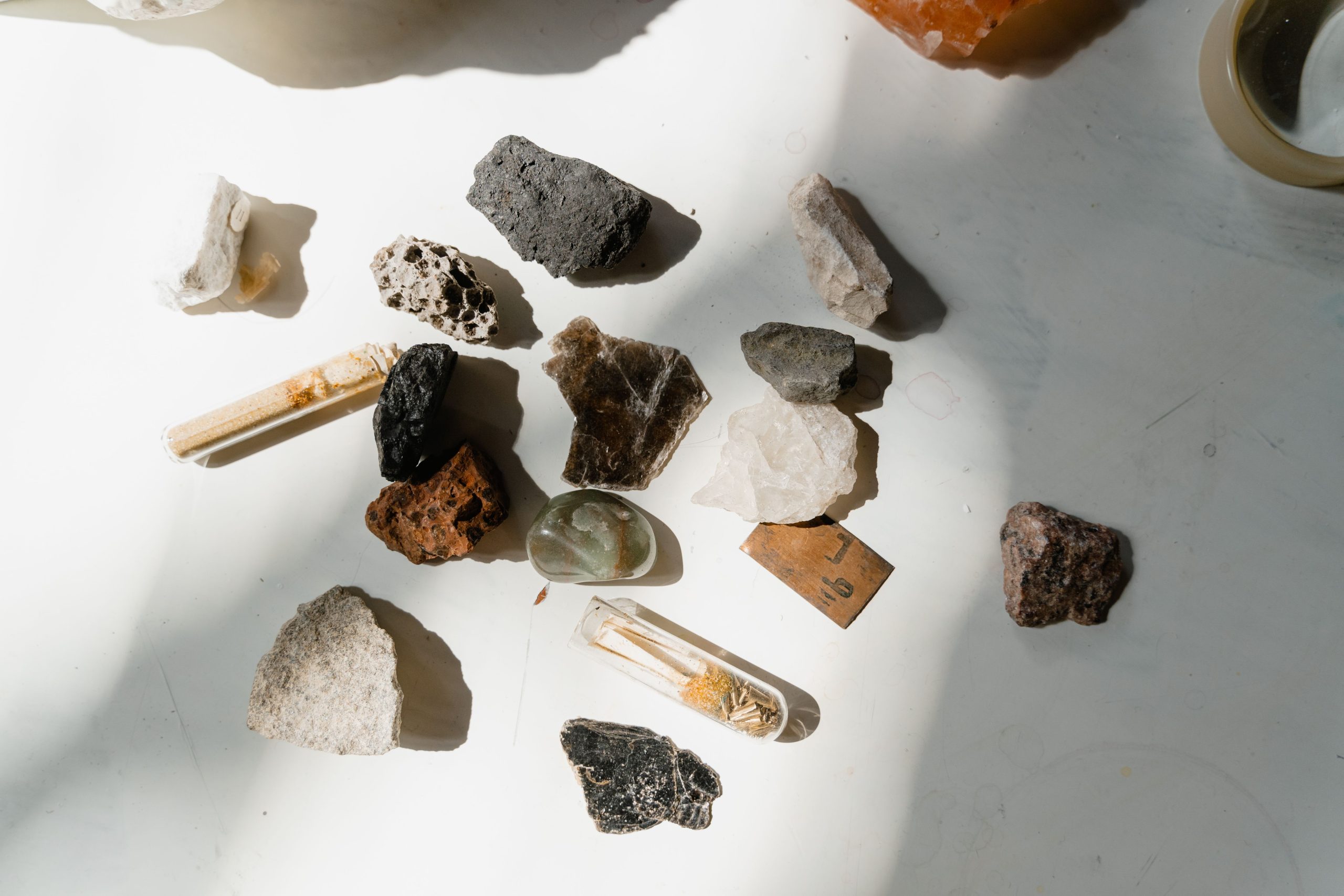
Are you ready to dig into the fascinating world of rocks and minerals? Earth science projects can be incredibly engaging and educational, especially when they involve hands-on collection and examination of these natural wonders. Whether you’re a student, teacher, or simply a geology enthusiast, these activities will ignite your curiosity and deepen your understanding of Earth’s materials.
This list features five exciting projects that not only promote learning but also encourage creativity. Get ready to explore diverse rock and mineral collections that will elevate your earth science experience to new heights!
1. Rock & Mineral Identification Kit – Best For Beginners
This project is perfect for those just getting started with geology. By creating your own identification kit, you’ll learn to recognize different types of rocks and minerals based on their physical properties.
Key Features:
- Includes basic tools like a magnifying glass and hardness scale.
- Teaches essential identification skills.
- Can be tailored to local rock and mineral types.
Pros:
- Engaging learning experience.
- Promotes critical thinking and observational skills.
- Inexpensive and easy to assemble.
Cons:
- May require initial research to source materials.
- Identification can be tricky for some beginners.
2. Mineral Crystallization Experiment – Best For Hands-On Learning
Experience the magic of mineral growth by conducting a crystallization experiment. This project allows you to create beautiful crystals using common household items.
Key Features:
- Uses easy-to-find materials like sugar or salt.
- Visual results can enhance understanding of mineral formation.
- Encourages patience and observation over time.
Pros:
- Visually stunning results.
- Simple and cost-effective.
- Fun for kids and adults alike.
Cons:
- Results may vary based on environmental conditions.
- Requires time and continual observation.
3. Geology Rock Cycle Model – Best For Visual Learners
This project involves creating a 3D model of the rock cycle, showcasing the transformation of rock types over time. It’s ideal for those who learn best through visuals and hands-on creation.
Key Features:
- Incorporates different materials to represent each rock type.
- Helps visualize the processes of erosion, sedimentation, and metamorphosis.
- Can be customized and modified for added creativity.
Pros:
- Enhances understanding of geological processes.
- Fun and engaging way to learn.
- Encourages teamwork if done in groups.
Cons:
- Can be time-consuming to create.
- Materials may not be readily available to everyone.
4. Local Rock & Mineral Field Trip – Best For Real-World Application
Nothing beats real-world experience! This project encourages students or enthusiasts to take a field trip to local rock outcrops, quarries, or mineral exhibits to gather samples and observe geological features firsthand.
Key Features:
- Promotes physical activity and exploration.
- Encourages direct interaction with geological formations.
- Teaches responsible collecting practices.
Pros:
- Great for experiential learning.
- Fosters a love for nature and geology.
- Builds teamwork and social skills.
Cons:
- Requires transportation and planning.
- Weather can affect scheduled trips.
5. Rock and Mineral Display Board – Best For Creative Presentation
Create an eye-catching display board featuring your rock and mineral collection! This project not only showcases your findings but also allows for creative expression through design and arrangement.
Key Features:
- Visual appeal through creative layouts and descriptions.
- Provides a platform to share knowledge about each specimen.
- Can be used for school projects or community events.
Pros:
- Encourages creativity and design skills.
- Great for public speaking opportunities.
- Can be a lasting educational tool.
Cons:
- Time-intensive to create a polished product.
- Requires art supplies that may not be easily available.
How to Choose the Right Project
Selecting the ideal rock and mineral project depends on your interests, skills, and available resources. Consider the following tips:
- Assess your current knowledge level and choose a project that will challenge you while remaining enjoyable.
- Think about whether you prefer hands-on activities, visual projects, or research-based assignments.
- Evaluate the materials and time commitment required for each project.
#EarthScience #GeologyProject #RocksAndMinerals #STEMEducation #EducationalActivities #ScienceExperiments #HandsOnLearning #NatureExploration