
If you’re looking to impress your teachers and classmates with an exciting science project on anatomy and physiology, you’re in the right place! From exploring the complexities of the human body to innovative experiments, these project ideas will not only enhance your understanding but also make learning fun.
Below, we’ve compiled a list of the top 7 science project concepts that will spark your creativity and deepen your knowledge of human anatomy and physiology. Ready to dive in?
1. Model of the Human Heart – Best For Understanding Circulatory System
This project allows you to construct a detailed model of the human heart, showcasing its structure and function. Building a heart model can clarify how blood circulates through the body and highlight the importance of each chamber and valve.
Key Features:
- 3D representation of the heart
- Interactive blood flow demonstration
- Visual aids to explain heart functions
Pros:
- Enhances visual learning
- Engages hands-on skills
- Useful for presentations
Cons:
- Can be time-consuming to build
- Requires crafting materials
- May need guidance from an expert
2. Exploring the Digestive System – Best For Learning Nutrient Absorption
By creating a project that traces the digestive path of food from ingestion to nutrient absorption, students can gain a comprehensive overview of how the body processes what we eat. This concept serves as a hands-on way to explore digestion.
Key Features:
- Flowchart of the digestive process
- Models of digestive organs
- Real life examples of nutrient absorption
Pros:
- Clear visual representation
- Interactive and engaging
- Encourages research on nutrition
Cons:
- Requires some research
- Possibly complex for younger students
- May need additional resources
3. The Nervous System and Reflexes – Best For Understanding Body Responses
Creating a project that demonstrates how the nervous system responds to stimuli can offer insights into reflex actions and the human brain’s role. Experiments can highlight the speed and efficiency of neural pathways.
Key Features:
- Hands-on reflex tests
- Modeling of the nervous system
- Discussion of the brain’s functions
Pros:
- Interactive experiments
- Encourages critical thinking
- Relatable content for students
Cons:
- Requires careful planning
- May include complex data analysis
- Safety precautions needed
4. Human Skeleton Model – Best For Learning Bone Structure
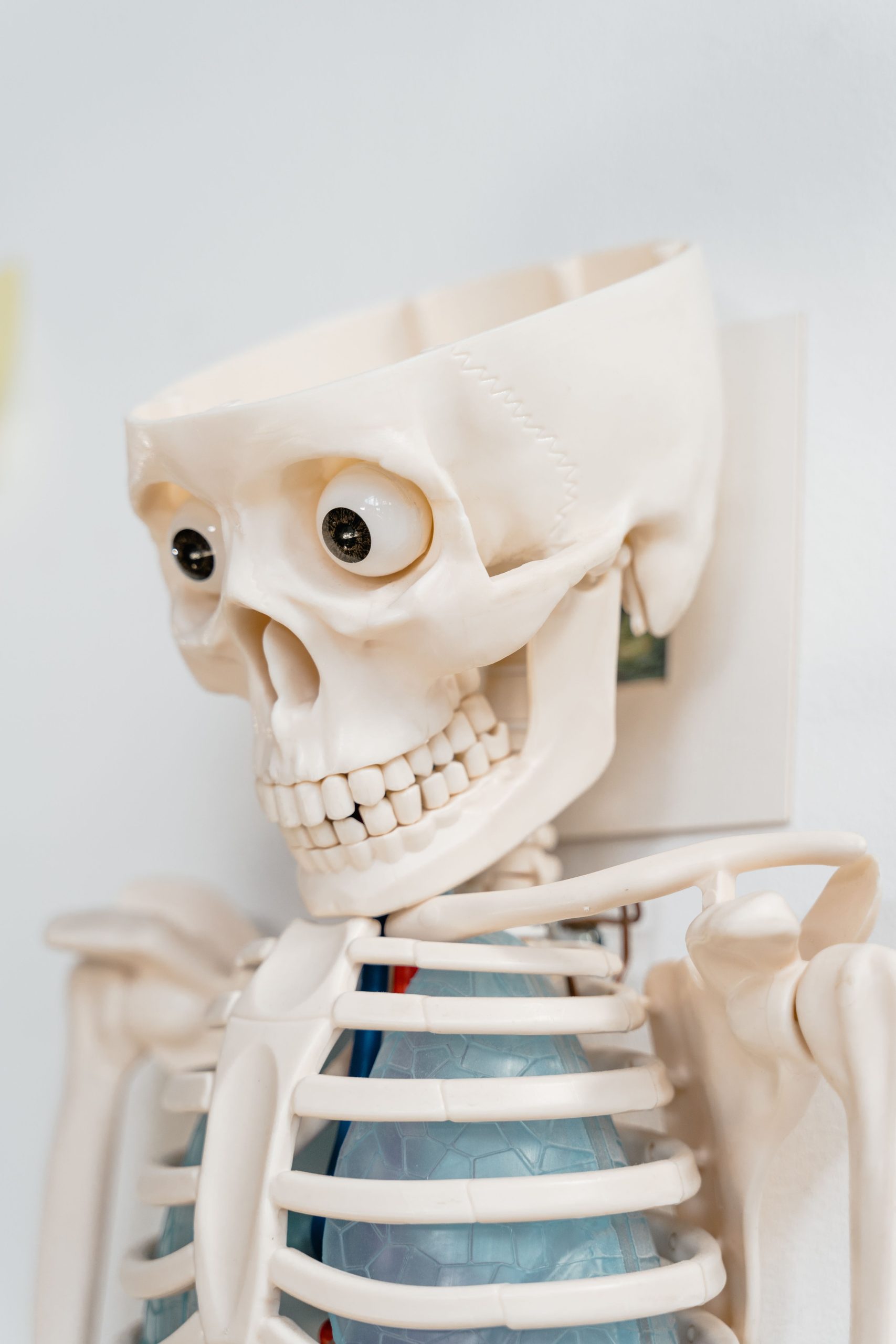
A project that creates a model of the human skeleton not only teaches about bones but also emphasizes the importance of skeletal health. This skeleton can serve as a vital visual tool in understanding anatomy.
Key Features:
- Detailed bone structure model
- Identification of major bones
- Interactive components for engagement
Pros:
- Great for kinesthetic learners
- Hands-on understanding of anatomy
- Invaluable study resource
Cons:
- Assembly can be challenging
- Requires crafting supplies
- Information may be overwhelming
5. The Respiratory System Exploration – Best For Understanding Breathing
This project involves creating a model to depict how lungs function and how oxygen is exchanged in the body. Students can simulate breathing and observe the mechanisms behind respiratory functions.
Key Features:
- Interactive lung model
- Visual representation of inhalation/exhalation
- Explanation of respiratory diseases
Pros:
- Engaging demonstrations
- Clear presentation of processes
- Encourages interest in health
Cons:
- Complexity may vary
- Extra materials may be needed
- Potential for technical issues
6. The Senses and Sensory Perception – Best For Exploring Human Senses
Investigating human senses through interactive experiments can reveal how we perceive the world. This project can include taste tests, sound experiments, and sight challenges to demonstrate sensory processing.
Key Features:
- Fun experiments related to senses
- Focus on sensory integration
- Discussion of sense-related health issues
Pros:
- Highly engaging and interactive
- Perfect for group work
- Variety of sensory tests
Cons:
- May require group coordination
- Potential for oversimplified results
- Safety considerations for some tests
7. Blood Circulation and Health Simulation – Best For Learning About Blood
This project aims to explain how blood circulates through the body and the factors that affect blood health. Simulations can help visualize different conditions such as high blood pressure or anemia.
Key Features:
- Visual simulation of blood flow
- Charts detailing blood components
- Interactive learning about blood health
Pros:
- Practical application of knowledge
- Links theory to real-world issues
- Encourages personal health awareness
Cons:
- Data might be complex
- Requires ample resources
- Actual blood studies may be limited
How to Choose the Right Project
When selecting a project, consider your interests, the resources available to you, and the specific learning objectives you wish to achieve. It’s essential to choose a project that resonates with you—this will not only make the process enjoyable but also foster a deeper understanding of anatomy and physiology!
#AnatomyProjects #PhysiologyScience #HumanBody #ScienceExperiments #EducationalProjects #STEMLearning #SchoolScience #HealthEducation