
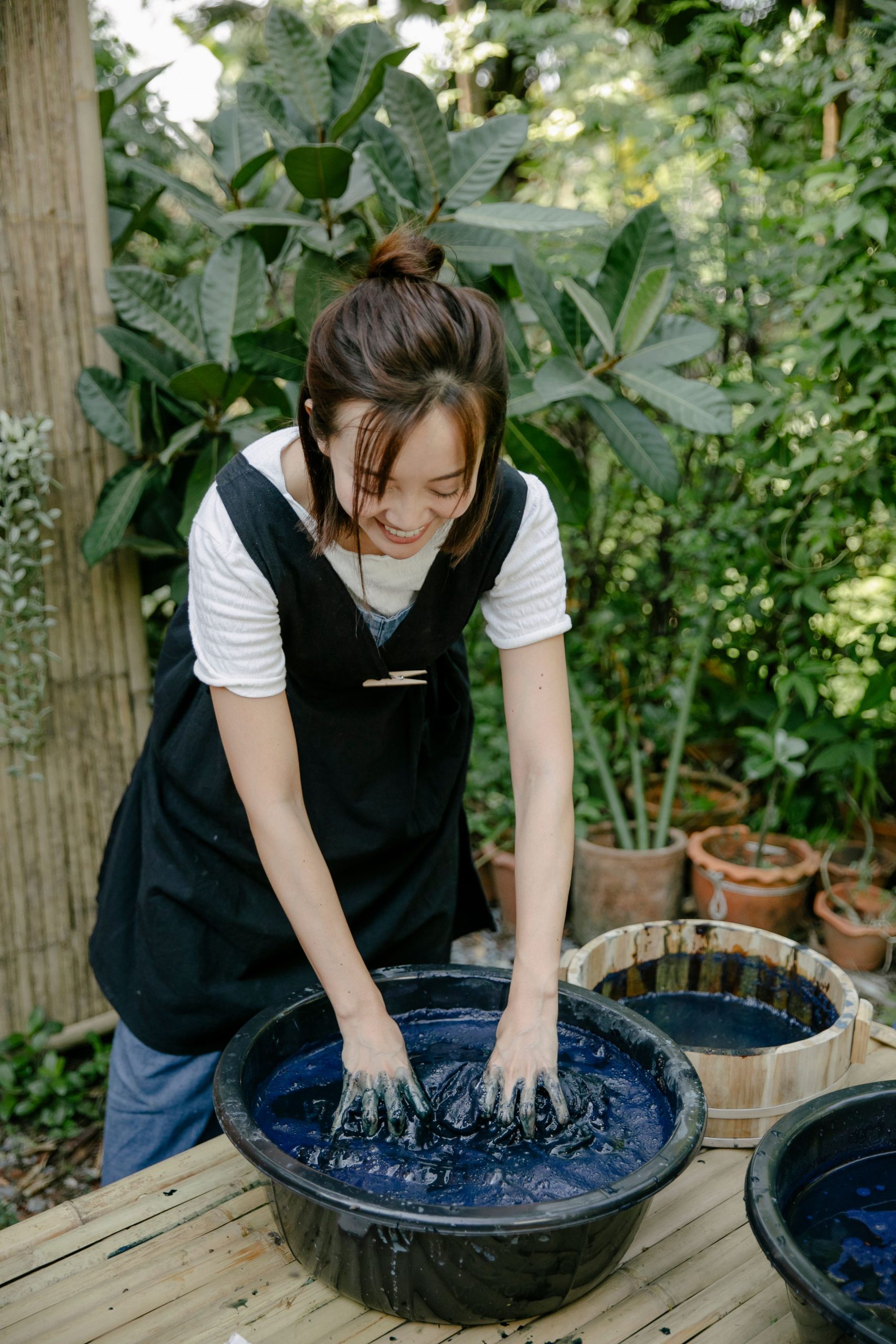
Are you ready to unleash your creativity using nature’s palette? Natural dyeing offers a vibrant, eco-friendly way to add color to fabrics using plant-based materials. But with so many resources out there, finding the best manuals can be daunting. That’s why we’ve compiled this list of the eight best natural plant dye extraction and dyeing manuals!
From detailed instructions to inspiring visuals, these manuals will guide you through every step of the dyeing process. Whether you’re a novice or a seasoned dyer, these books provide invaluable techniques and tips to enhance your dyeing experience.
1. “Wild Color” by Jenny Dean – Best for Beginners
This book is an excellent starting point for anyone new to natural dyeing. It features a wide array of plant materials, easy-to-follow extraction methods, and dyeing techniques.
Key Features:
- Comprehensive introduction to natural dyes and their sources.
- Step-by-step instructions accompanied by beautiful illustrations.
- Create color recipes using locally sourced plants.
Pros:
- Beginner-friendly with clear explanations.
- A wide variety of plant options explored.
- Includes tips on foraging and sustainable practices.
Cons:
- Limited advanced techniques discussed.
- Focus primarily on English plants.
2. “The Art and Science of Natural Dyes” by Rachael Able – Best for Science Lovers
This manual combines the artistry of dyeing with the science behind the colors. It offers insights into chemical processes along with practical dyeing techniques.
Key Features:
- Explores the chemistry of dye extraction and colorfastness.
- Practical projects that require minimal equipment.
- Includes a comprehensive Indigo chapter.
Pros:
- Rich in scientific explanations.
- Encourages experimentation with color.
- Great for educators and students.
Cons:
- More suited for those with a scientific background.
- Complex vocabulary can be challenging for beginners.
3. “Botanical Dyes: A Hands-On Guide” by Rebecca Burgess – Best for Eco-enthusiasts
For eco-conscious dyers, this manual emphasizes sustainable practices in dyeing and exploring local flora. It teaches you how to connect with the environment while creating beautiful colors.
Key Features:
- Highly focused on sourcing sustainable materials.
- Encourages the use of local plants for dyeing.
- Practical tips for eco-friendly dyeing practices.
Pros:
- Promotes environmental consciousness.
- Varied projects from simple to complex.
- Beautiful photography and inspiring visuals.
Cons:
- May require more effort to source materials.
- Limited coverage on synthetic dye alternatives.
4. “The Natural Dye Book” by Hazel Campbell – Best for Community Projects
A fantastic choice for group projects or workshops, this book provides detailed instructions for dyeing sessions, making it ideal for teachers and community leaders.
Key Features:
- Structured lessons designed for group learning.
- Step-by-step guides for various dyeing methods.
- Incorporates historical dyeing practices.
Pros:
- Perfect for educational settings.
- Encourages collaboration and community engagement.
- Accessible language and clear visuals.
Cons:
- Less content on advanced dyeing techniques.
- May not satisfy individual dyers seeking advanced methods.
5. “Eco Colour” by India Flint – Best for Artistic Exploration
India Flint brings a unique artistic perspective to natural dyeing, blending her knowledge of botany with ephemeral art techniques. This manual inspires creativity in every dyer.
Key Features:
- Focuses on the artistic aspects of dyeing.
- Shows innovative ways to combine dyeing with fabric manipulation.
- Includes stunning examples of eco-printing.
Pros:
- Encourages creative expression.
- Richly illustrated with beautiful imagery.
- Many projects require minimal setup.
Cons:
- Less structured than traditional manuals.
- May seem abstract to some readers.
6. “Natural Dyeing: A Handbook” by Madeline Miller – Best for Detail Seekers
If you appreciate in-depth information and comprehensive detail, this manual is perfect for you. It discusses the intricacies of dyeing and offers elaborate recipes.
Key Features:
- Thorough analysis of dye sources and processes.
- Detailed color recipes for varied fabrics.
- Information on mordants and their selection.
Pros:
- Extremely detailed and informative.
- Highly organized content for easy navigation.
- Useful for advanced and newcomers alike.
Cons:
- Can be overwhelming with information.
- Longer read may deter casual crafters.
7. “Dyeing with Plants” by Christi Jay Wells – Best for Seasonal Projects
This manual emphasizes the seasonal availability of dye plants, making it a perfect guide for year-round plant dyeing, featuring crafts to align with nature’s rhythms.
Key Features:
- Guided projects categorized by season.
- Tips for foraging and sustainable harvesting.
- Craft techniques include tie-dye, batik and more.
Pros:
- Encourages seasonal creativity.
- Offers varied projects for all skill levels.
- Strong emphasis on sustainability.
Cons:
- Limited in-depth technical information.
- Not all projects are suitable for beginners.
8. “The Craft of Natural Dyeing” by colin and jennifer – Best for Contemporary Styles
This modern manual delves into current trends in natural dyeing and showcases contemporary applications, providing innovative ways to connect traditional skills with modern aesthetics.
Key Features:
- Focus on modern design and artistic expression.
- Integration of traditional techniques with new trends.
- Project ideas for clothing, home decor, and more.
Pros:
- Visually appealing layout with contemporary style.
- Encourages personal creativity and innovation.
- Offers eco-friendly alternatives to chemical dyes.
Cons:
- Less comprehensive for historical context.
- May not provide as much guidance for novice dyers.
How to Choose the Right Natural Dye Manual for You
Consider your skill level, interests, and the specific aspects of natural dyeing you’re most excited about. Beginners may prefer more visual and straightforward manuals, while advanced dyers might appreciate detail-oriented books with in-depth discussions. Also, think about whether you’re looking for practical projects, sustainable practices, or artistic inspiration.
#NaturalDyeing #EcoFriendlyCrafts #BotanicalDyes #SustainableFashion #DyeYourOwnFabric #DIYDyeing #CraftingWithNature #PlantBasedDyes