
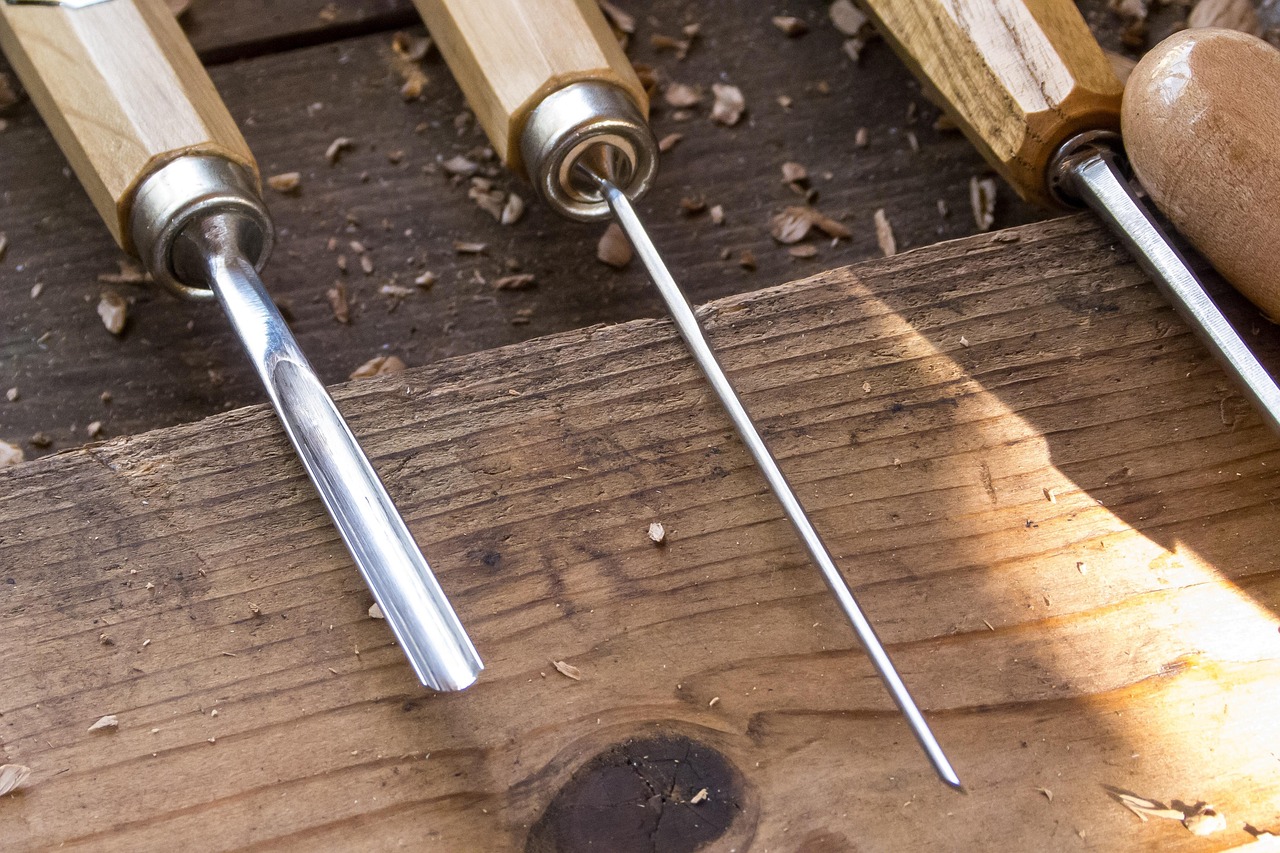
If you’re passionate about woodworking, having the right resources is essential for mastering the craft. Whether you’re a seasoned woodworker or a burgeoning beginner, the right manual can transform your skills and techniques, leading to beautiful, handcrafted projects. In this article, we’re diving into the top 10 traditional wood carving and joinery manuals that every woodworker should consider adding to their collection.
From detailed step-by-step instructions to in-depth techniques, these books will guide you through the world of wood carving and joinery with expert insights. Let’s get started on your journey to becoming a woodworking maestro!
1. Woodworking Basics by Peter Korn – Best For Newbies
This manual is perfect for anyone just starting their woodworking journey. Peter Korn simplifies complex concepts, making them accessible and easy to understand.
Key Features:
- Step-by-step guidance on basic techniques
- Illustrations to aid in visual learning
- Hands-on projects for practice
Pros:
- Beginner-friendly language
- Comprehensive overview of tools and materials
- Practical advice throughout
Cons:
- May lack depth for advanced carpenters
- Limited coverage on specific joinery techniques
2. The Complete Manual of Woodworking by Albert Jackson – Best For All Skill Levels
This extensive resource covers everything from basic techniques to advanced woodworking. It’s a go-to reference for woodworkers looking to enhance their skills or find new inspiration.
Key Features:
- Detailed illustrations and diagrams
- Variety of projects ranging from simple to complex
- Covers both hand tools and power tools
Pros:
- Authoritative source from a reputable team
- Comprehensive coverage of all aspects of woodworking
- Useful troubleshooting tips included
Cons:
- Can feel overwhelming for absolute beginners
- Lengthy sections may take time to digest
3. Carving the Acanthus Leaf by W. J. (Bill) Muir – Best For Ornamental Carvers
This manual is dedicated to carving one of the most iconic ornamental designs—the acanthus leaf. Perfect for those who want to delve into decorative wood carving.
Key Features:
- Detailed breakdown of techniques for carving
- Full-color photographs of completed projects
- Includes patterns for tracing
Pros:
- Great for improving carving skills
- Highly detailed and visually appealing
- Offers historical context behind designs
Cons:
- Not suitable for general woodworking advice
- Requires prior basic carving knowledge
4. The Essential Woodworker by Robert Wearing – Best For Hand Tool Advocates
This guide focuses on the artistry of hand tools in woodworking, providing a thorough understanding of traditional techniques. Ideal for those who want to hone their craftsmanship.
Key Features:
- Emphasis on hand tools and manual techniques
- Comprehensive project guidance
- Beautifully illustrated examples
Pros:
- Encourages traditional craftsmanship
- Strong focus on technique and detail
- Clear, effective writing style
Cons:
- Limited digital tool guidance
- May not appeal to power tool users
5. The Anarchist’s Tool Chest by Christopher Schwarz – Best For Tool Enthusiasts
More than just a manual, this book combines philosophy with practical advice on the essential tools every woodworker should have. It’s a call to embrace the simplicity of woodworking.
Key Features:
- Insight into the culture of woodworking
- Practical tips on tool selection and usage
- Encourages personal creativity
Pros:
- Engaging storytelling style
- Inspires a minimalist tool approach
- Strong emphasis on craftsmanship
Cons:
- Less focus on actual projects
- May challenge traditional views of workshop setups
6. The Complete Book of Woodworking by Tom Carpenter – Best For Project Ideas
This manual compiles a wide range of projects, making it a fabulous resource for woodworkers looking for inspiration. It’s an excellent option for hands-on learners.
Key Features:
- Simplified instructions for each project
- Wide variety of projects and woodworking styles
- Techniques for all experience levels
Pros:
- Visually appealing layout
- Suitable for group projects or classes
- Engaging and informative
Cons:
- Some projects may require advanced skills
- Limited discussion on advanced techniques
7. The Woodworker’s Bible by Percy Blandford – Best For Comprehensive Reference
This is a must-have guide for woodworkers of all levels, containing an expansive range of information on techniques, tools, and materials. It’s the kind of book you can return to again and again.
Key Features:
- Thorough guide to tools and techniques
- Step-by-step projects included
- Covers both traditional and modern woodworking
Pros:
- All-in-one resource
- Highly detailed explanations
- Encourages learning through projects
Cons:
- Could be too lengthy for some users
- Requires time investment for best results
8. The Complete Book of Wood Carving by Tom McKinney – Best For Experienced Carvers
This manual is aimed at those who have a basic understanding of wood carving and seek to enhance their skills with more intricate designs and techniques.
Key Features:
- Advanced carving techniques explained
- Illustrated guides for complex designs
- Tips for wood selection and preparation
Pros:
- Deep dives into advanced techniques
- Inspires creativity with unique designs
- Suitable for both solo and group study
Cons:
- Less ideal for beginners
- Some projects may require specialized tools
9. Carving for the Beginner by John D. McLain – Best For Quick Start
If you’re new to carving but eager to jump right into projects, this manual offers a straightforward approach to traditional wood carving techniques.
Key Features:
- Simple, easy-to-follow instructions
- Projects designed for beginners
- Focus on developing muscle memory and technique
Pros:
- No prior experience necessary
- Encourages confidence as you learn
- Light and engaging writing style
Cons:
- Does not delve into advanced topics
- Limited variety in project complexity
10. The Complete Guide to Joinery by Andrew Dunn – Best For Joinery Masters
This manual encapsulates everything you need to know about joinery, providing expert techniques and designs that will elevate your woodworking projects.
Key Features:
- Explores various joinery methods in detail
- High-quality illustrations for clarity
- Includes real-world applications and tips
Pros:
- Ideal for serious woodworkers
- Comprehensive approach to joinery
- Strong emphasis on quality and precision
Cons:
- Less suitable for beginners
- Some techniques may require specialized tools
How to Choose the Right Wood Carving and Joinery Manual
When selecting the perfect manual for your woodworking needs, consider your current skill level, the specific areas you want to improve, and the types of projects you’re interested in tackling. Look for books that provide step-by-step guidance with illustrations that enhance understanding. Finally, assess whether you prefer hand tool techniques or are looking to incorporate power tools into your projects for versatility.
#WoodworkingManuals #WoodCarving #Joinery #DIYWoodworking #WoodworkingBooks #Craftsmanship #Handcrafted #TraditionalSkills