
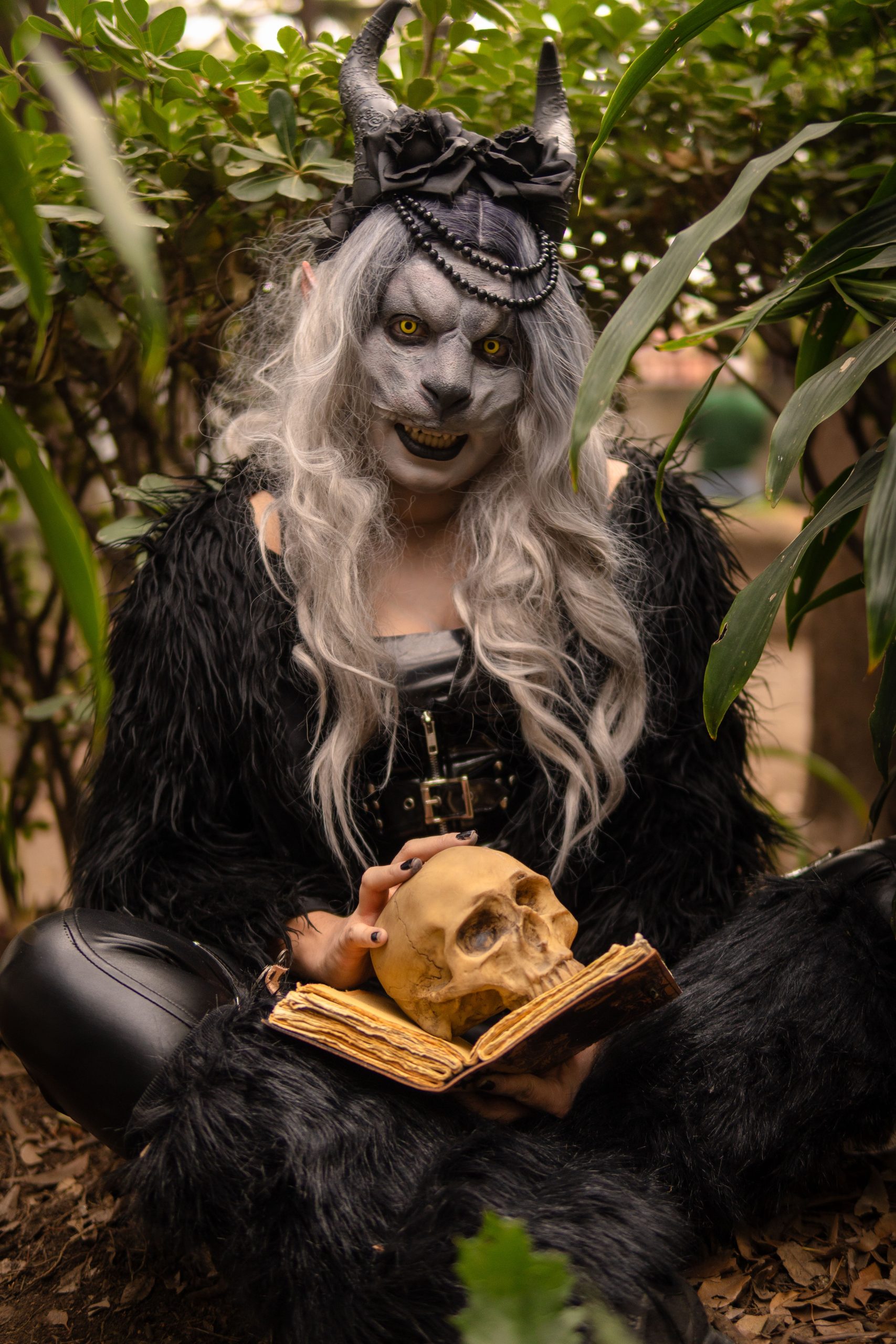
Throughout history, cultures around the world have birthed fascinating mythological beasts and monsters, each with unique stories that captivate our imagination. From fearsome dragons to elusive unicorns, these creatures embody the mysteries of nature and human psychology. Are you ready to dive into the fantastical realm of folklore and discover the most compelling mythological beings?
This article presents the top 5 mythological beasts and monsters that not only stir your curiosity but also offer intriguing lessons from folklore. Each creature has its own tale that adds depth to its character, making them unforgettable in the world of myths and legends.
1. Dragon – The Legendary Fire-Breather
No mythological list would be complete without dragons, the grand epitome of power, destruction, and sometimes wisdom. Found in various cultures, these beasts symbolize strength and are often guardians of treasure.
Key Features:
- Guardian of wisdom and fortune
- Shapeshifting abilities in various lore
- Strongly linked to elemental forces, especially fire
Pros:
- Rich in symbolism and cultural significance
- Appeal across various age groups
- Inspires numerous adaptations in modern media
Cons:
- Often seen as purely destructive entities
- Difficult to classify due to varying depictions
- May overshadow other mythical creatures
2. Phoenix – The Rebirth Symbol
Known for its ability to rise from its ashes, the Phoenix represents renewal and immortality. This majestic bird has inspired countless tales of resilience and rebirth, making it a central figure in various mythologies.
Key Features:
- Emblematic of resurrection
- Associated with the sun and fire
- Symbol of hope and new beginnings
Pros:
- Encourages positive themes of growth and renewal
- Versatile symbol across cultures
- Captivates audiences with its extraordinary narrative
Cons:
- Can become clichéd in modern storytelling
- May lack depth in some adaptations
- Often oversimplified to just a “rebirth” narrative
3. Banshee – The Haunting Harbinger
The Banshee is a spirit from Irish folklore known to herald the death of a family member through her eerie wail. This spectral figure embodies the concept of fate, mystery, and the supernatural.
Key Features:
- Signifies impending death or misfortune
- Described with a beautiful yet terrifying appearance
- Often portrayed as a guardian of the family
Pros:
- Adds layers of emotion and depth to stories
- Intriguing mix of beauty and horror
- Complex representation of life and death duality
Cons:
- May evoke strong negative emotions
- Difficult to convey the nuance in modern adaptations
- Could be overshadowed by more popular monsters
4. Kraken – The Sea’s Titan
A colossal sea monster, the Kraken has haunted sailors’ tales for centuries. This creature symbolizes the unknown depths of the ocean and the fear of the vast, uncharted waters.
Key Features:
- Legendary creature believed to dwell off the coasts of Norway and Greenland
- Often depicted as a giant squid or octopus
- Feared for its ability to drag entire ships underwater
Pros:
- Fuels imagination about the mysteries of the sea
- Perfect for exploring themes of fear and adventure
- Ties in with real historical accounts of monstrous sea creatures
Cons:
- Can be overused in maritime tales
- May come off as just a plot device
- Actual marine life may outshine mythological accounts
5. Unicorn – The Enigmatic Beauty
The unicorn, a symbol of purity and grace, has enchanted many across cultures and centuries. Associated with magic and healing powers, this mythical horse-like creature captivates the heart.
Key Features:
- Imbued with magical healing powers
- Represents innocence and virtue
- Often depicted with a spiraled horn
Pros:
- Appeals to both children and adults
- Strong symbols of hope and magic
- Glorious representations in art and literature
Cons:
- Often trivialized in pop culture
- Can be portrayed as overly idealistic
- Challenges to vary its characterization in modern narratives
How to Choose Your Favorite Mythological Creatures
When exploring mythological beasts and monsters, consider the cultural background, symbolism, and narratives associated with each creature. Think about what themes resonate with you, whether it’s strength, beauty, fear, or the unknown. Engaging with these legends allows for a deeper understanding of human emotions and societal values reflected throughout history.
#MythologicalBeasts #Folklore #Dragons #Unicorns #Kraken #Banshee #Mythology #Monsters