
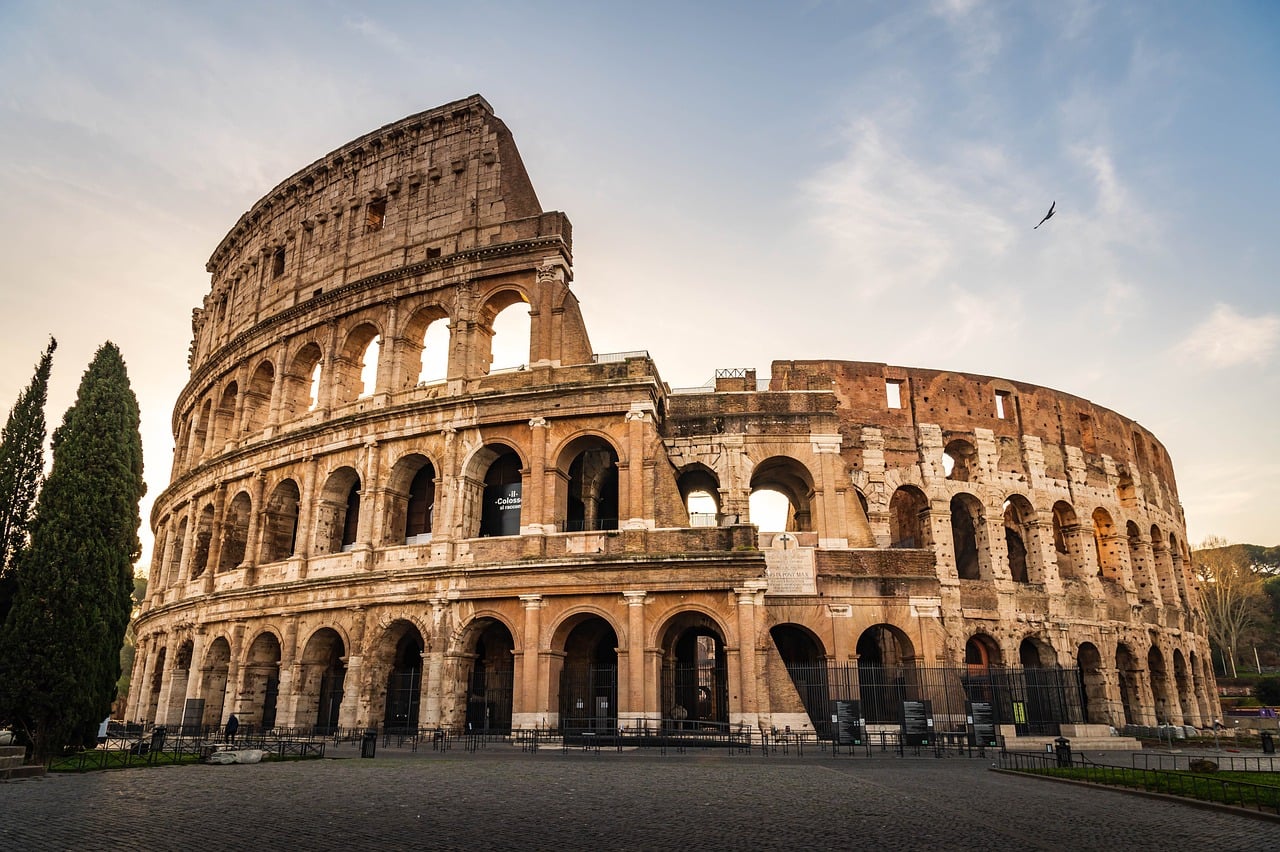
Step back in time and explore the architectural brilliance of ancient amphitheaters and stage designs! These structures not only captivated audiences with their performances but also represented the pinnacle of engineering and design in their era. Whether you’re a history buff, an architecture enthusiast, or just looking for some inspiration, these iconic sites will surely spark your curiosity.
From Greece to Rome, these ancient venues showcase innovative designs that continue to influence modern theater. Let’s dive into the top five ancient amphitheaters that transformed stage design as we know it today!
1. The Colosseum – Best For Grand Spectacles
The Colosseum in Rome is an architectural marvel that hosted gladiatorial contests and public spectacles. With its capacity to seat over 50,000 spectators, it redefined what an amphitheater could be.
Key Features:
- Complex system of vaults and arches
- Innovative tiered seating arrangement
- Retractable awnings for shade
Pros:
- Impressive size and engineering
- Rich historical significance
- Cultural symbol of ancient Rome
Cons:
- Heavily damaged over time
- Visitors may find it overcrowded
- Limited access to certain areas
2. The Theatre of Epidaurus – Best For Acoustic Excellence
This ancient Greek theater is renowned for its exceptional acoustics, making it a favorite for performances even today. Built in the 4th century BC, its design allows audiences to hear whispers from the stage clearly.
Key Features:
- Natural hillside slope for seating
- Perfectly positioned orchestra circle
- Construction using limestone for sound amplification
Pros:
- Outstanding sound quality
- Stunning natural surroundings
- Well-preserved structure
Cons:
- Accessibility can be challenging for some visitors
- Limited modern amenities
- Seasonal performances only
3. The Arena of Nîmes – Best For Roman Engineering
Located in France, the Arena of Nîmes is a well-preserved Roman amphitheater known for its elliptical shape and impressive arcades. It’s an ideal example of Roman ingenuity and design.
Key Features:
- Seating capacity of around 24,000
- Two-tiered structure with 60 arches
- Robust inner walls enhancing stability
Pros:
- Well-preserved with modern uses
- Offers guided tours
- Vibrant atmosphere for events
Cons:
- Tourist crowds in peak season
- Limited interior access during events
- Formal accessibility may be restricted
4. The Greek Theatre of Syracuse – Best For Historical Depth
Dating back to the 5th century BC, this ancient theater provides a glimpse into the vibrant theatrical culture of Greece. Its remarkable seating and stage setup accommodate natural acoustics tailored for performance.
Key Features:
- Large capacity seating of about 15,000
- Built into a hillside for optimal view
- Elements of both Greek and Roman architecture
Pros:
- Rich historical and cultural significance
- Stunning location overlooking the coast
- Active venue for performances today
Cons:
- Faded details due to ancient wear
- Challenges in access for the elderly
- Limited seating during modern events
5. The Theatre of Pompey – Best For Political and Social Significance
The Theatre of Pompey, located in Rome, was the first permanent theater built in the city. It marked a shift in the perception of theater, intertwining politics and entertainment.
Key Features:
- Innovative use of a temple incorporated into design
- Multi-functional space for events
- Seating for about 20,000 spectators
Pros:
- Historical site with rich narratives
- Blend of architecture and functionality
- Location near significant Roman sites
Cons:
- Partially in ruins
- Limited publicity compared to larger sites
- Access might be restricted
How to Choose Your Ancient Amphitheater to Visit
When deciding which ancient amphitheater to explore, consider these factors: interest in historical significance, desired acoustics and performance settings, accessibility for all guests, and the opportunity to experience live events. Each site offers a unique glimpse into the past and serves as a reminder of the sophistication of ancient stage design.
#Amphitheater #AncientArchitecture #TheaterHistory #CulturalHeritage #StageDesign #HistoryLovers #TravelInspiration #Archaeology