
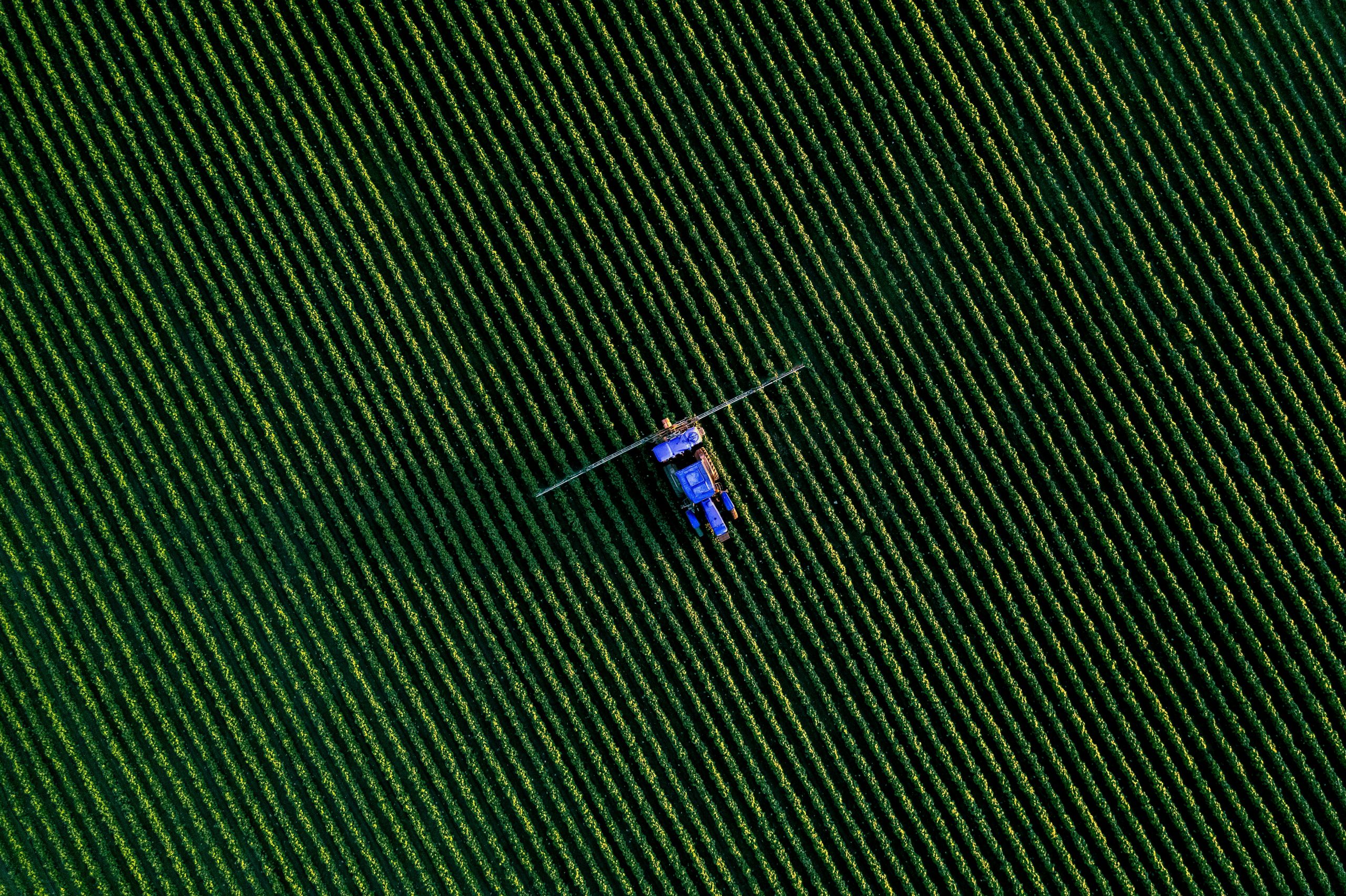
In the ever-evolving landscape of agriculture, precision farming technologies have become game-changers for farmers looking to optimize their yields and reduce waste. From satellite imagery to smart sensors, these advancements not only increase efficiency but also promote sustainable practices. Here’s a curated list of the best precision farming technologies that are transforming the agricultural sector.
Whether you are a seasoned farmer or new to the field, understanding these technologies is crucial to boosting productivity and managing resources effectively. Dive in and discover which precision farming tech could revolutionize your agricultural practices!
1. Drones – Best For Crop Monitoring
Drones have taken precision farming to new heights, providing aerial imagery that allows farmers to monitor crop health with unparalleled accuracy. They can cover large areas quickly and gather critical data on crop conditions, pest infestations, and irrigation needs.
Key Features:
- Real-time aerial imaging
- Ability to cover large areas efficiently
- Data collection for specific crop needs
Pros:
- Cost-effective for large fields
- Improves decision-making
- Supports precision agriculture practices
Cons:
- Requires technical expertise
- Legal restrictions in some areas
- Initial investment cost can be high
2. Soil Sensors – Best For Optimizing Soil Health
Soil sensors provide critical data on moisture levels, temperature, and nutrient content, allowing farmers to manage soil health proactively. This data-driven approach enables better irrigation decisions and fertilizer applications, reducing environmental impact.
Key Features:
- Real-time soil condition monitoring
- Smart irrigation recommendations
- Remote access to data
Pros:
- Increases yield quality
- Reduces resource waste
- Enhances sustainable farming
Cons:
- Installation can be complex
- Requires maintenance
- Initial costs for technology setup
3. GPS Guidance Systems – Best For Precision Planting
GPS guidance systems help farmers in planting with pinpoint accuracy, leading to optimized spacing and yield. These systems reduce overlap and minimize wasted resources, increasing both productivity and profitability.
Key Features:
- Enhanced planting accuracy
- Reduces material waste
- Compatible with various machinery
Pros:
- Improves efficiency
- Adapts to farming needs
- Supports sustainable practices
Cons:
- Requires skilled operators
- Can be expensive to implement
- Potential for technical malfunctions
4. Variable Rate Technology (VRT) – Best For Customized Inputs
Variable Rate Technology enables farmers to apply inputs like fertilizers and seeds at variable rates across a field, tailored to the specific needs of different areas. This targeted approach can significantly reduce input costs and environmental impact.
Key Features:
- Customized input application
- Maximizes crop yield
- Minimizes waste and runoff
Pros:
- Increases profitability
- Enhances environmental stewardship
- Support for precision management
Cons:
- Requires detailed field mapping
- Can be costly to set up
- Requires ongoing management and monitoring
5. Farm Management Software – Best For Data Integration
Farm Management Software (FMS) centralizes farm data, enabling farmers to make informed decisions based on real-time analytics. From crop rotation to financial management, these tools streamline operations and enhance overall productivity.
Key Features:
- Centralized data management
- Real-time farm insights
- Financial management tools
Pros:
- Improves operational efficiency
- Supports strategic planning
- Simplifies compliance management
Cons:
- Learning curve for users
- Software costs
- Data security concerns
6. Automated Irrigation Systems – Best For Water Management
Automated irrigation systems use sensors and software to optimize water usage based on real-time data, ensuring that crops receive the right amount of water at the right time. This technology helps conserve water resources while enhancing crop growth.
Key Features:
- Precision water application
- Data-driven irrigation scheduling
- Remote management capabilities
Pros:
- Reduces water waste
- Enhances crop health
- Cost savings in the long run
Cons:
- Initial investment can be high
- Technical knowledge needed for setup
- Ongoing maintenance required
7. Climate Monitoring Systems – Best For Predicting Weather Impact
Climate monitoring systems track local weather patterns and conditions, providing farmers with the insights they need to make timely decisions, such as when to plant or harvest. These technologies can significantly reduce risks associated with weather fluctuations.
Key Features:
- Real-time weather data
- Predictive analytics for farm planning
- Alerts for extreme weather
Pros:
- Minimizes crop loss
- Informs operational timing
- Supports proactive farming practices
Cons:
- Requires accurate calibration
- Dependent on signal strength
- Potential for data overload
8. Livestock Monitoring Systems – Best For Herd Management
Livestock monitoring systems use sensors and RFID tags to track the health and behaviors of farm animals. This technology enables farmers to ensure optimum health standards while improving productivity.
Key Features:
- Real-time health tracking
- Location tracking for herd management
- Alerts for illness or distress
Pros:
- Improves animal welfare
- Maximizes productivity
- Enhances decision-making
Cons:
- Costs associated with technology adoption
- Need for continuous monitoring
- Potential for system failures
9. Autonomous Tractors – Best For Labor Efficiency
Autonomous tractors represent a revolutionary advancement in farming equipment, leveraging AI technology to operate without human intervention. This innovation helps reduce labor costs and enhances productivity.
Key Features:
- Self-driving technology
- Efficient field operation
- Remote control capabilities
Pros:
- Reduces labor needs
- Increases overall productivity
- Consistent operation
Cons:
- High initial costs
- Requires technical skill for operation
- Dependence on technology
10. Biotechnology Tools – Best For Crop Improvement
Biotechnology tools, such as gene editing and advanced breeding techniques, allow for the development of crops that are disease-resistant and climate-adaptable. These innovations are crucial for future food security and sustainable practices.
Key Features:
- Enhanced crop resilience
- Improved yield potentials
- Reduced pesticide use
Pros:
- Contributes to food security
- Supports sustainable agriculture
- Reduces agricultural losses
Cons:
- Ethical concerns surrounding GMOs
- Public perception challenges
- Extensive research and development requirements
How to Choose the Right Precision Farming Technology
When selecting precision farming technologies, consider the specific needs of your farm, including crop types, scale, and existing equipment. Assess the ease of use and potential return on investment. Moreover, look for solutions that provide scalability for future growth. Lastly, seek advice from tech providers and fellow farmers to gain insights into the effectiveness of these tools in real-world applications.
#PrecisionFarming #AgriculturalTechnology #FarmTech #SustainableAgriculture #SmartFarming #AgTech #CropManagement #InnovationInFarming