
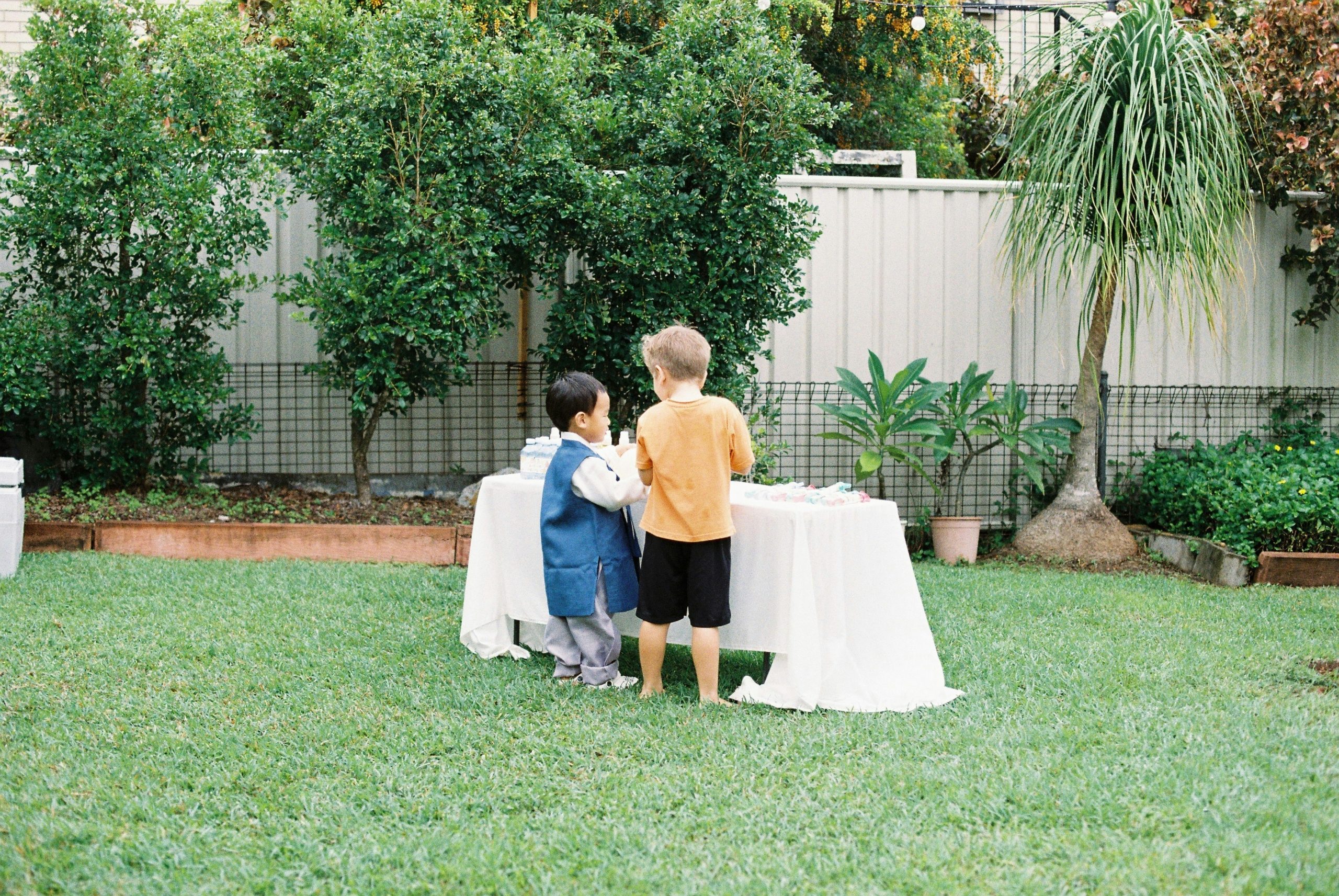
Looking for a fun and educational way to spend your family weekends? Backyard science experiments are the perfect solution! These hands-on activities not only spark curiosity but also strengthen family bonds. Dive into our top 10 picks that are sure to delight and inspire your little scientists!
Get ready to explore, learn, and make unforgettable memories with these exciting experiments that are easy to set up and perform right in your backyard!
1. Homemade Volcano – Best For Eruptive Fun
This classic experiment brings geology to life! Your kids will love creating a volcano that bursts with vibrant colors and fizzing reactions.
Key Features:
- Simple materials: baking soda, vinegar, food coloring.
- Teaches chemical reactions in a fun way.
- Explosively entertaining for all ages.
Pros:
- Easy to set up and clean up.
- Inexpensive materials.
- Encourages imaginative play.
Cons:
- Can get messy; protect your space.
- Requires adult supervision for younger kids.
2. Plant Growth Experiment – Best For Green Thumbs
Encourage your kids to observe and understand the life cycle of plants with this hands-on planting experiment. It’s a great way to connect with nature!
Key Features:
- Involves real seeds and soil.
- Promotes patience and responsibility.
- Explains photosynthesis in an engaging way.
Pros:
- Rewards with visible growth.
- Great for all ages to learn about ecosystems.
- Can be done in small spaces.
Cons:
- Takes time to see results.
- Requires ongoing care and monitoring.
3. DIY Slime – Best For Sensory Play
Everyone loves slime! This experiment teaches basic chemistry while providing hours of sensory fun and creativity.
Key Features:
- Customizable textures and colors.
- Safe ingredients like glue and baking soda.
- Involves tactile play that’s excellent for motor skills.
Pros:
- Easy to make with minimal mess.
- Encourages creativity and experimentation.
- Can be stored for long-term play.
Cons:
- Can be sticky initially.
- Some kids may be sensitive to textures.
4. Water Filtration – Best For Environmental Awareness
Teach your kids about water conservation and purity with this enlightening water filtration experiment. It’s an eye-opener for budding environmentalists!
Key Features:
- Uses natural materials like sand, gravel, and charcoal.
- Demonstrates the importance of clean water.
- Can spark discussions on pollution and sustainability.
Pros:
- Hands-on learning about natural resources.
- Interactive and informative.
- Builds problem-solving skills.
Cons:
- Requires time to set up properly.
- May need supervision near water sources.
5. Egg in a Bottle – Best For Air Pressure Experiments
This experiment demonstrates the power of air pressure in a fun, visual way. Watch as an egg seemingly defies physics!
Key Features:
- Utilizes a simple bottle and hard-boiled egg.
- Instant vs gradual pressure changes.
- Proves scientific concepts in real time.
Pros:
- Packs a wow factor that impresses kids.
- Simple yet effective scientific principle.
- Engaging for all ages.
Cons:
- May take a few tries to get right.
- Requires careful handling of eggs.
6. Crystal Growing – Best For Patience and Care
Kids will be amazed as they create their own crystals. This experiment teaches patience and the science behind crystallization.
Key Features:
- Uses household items like sugar or salt.
- Visually stunning results.
- Involves chemistry and biology concepts.
Pros:
- Fascinating and rewarding end result.
- Great opportunity for documentation and observation.
- Safe and simple to execute.
Cons:
- Requires time to form properly.
- Results can vary based on conditions.
7. DIY Compass – Best For Navigation Skills
This experiment allows kids to make their own compass and learn the basics of navigation and magnetism, perfect for budding explorers!
Key Features:
- Easy to create using a needle and a cork.
- Interactive way to learn about Earth’s magnetic field.
- Involves outdoor orientation and exploration.
Pros:
- Encourages outdoor activity and adventure.
- Fascinating science lesson on magnetism.
- Hands-on experience with practical use.
Cons:
- Requires calm water to demonstrate accurately.
- May need adult assistance for precise needle use.
8. Static Electricity Experiment – Best For Fun Physics
Introduce kids to the wonders of static electricity with this simple and exciting experiment using common household items!
Key Features:
- Uses balloons and wool fabric.
- Visual demonstrations of electric charge.
- Explains fundamental physics concepts.
Pros:
- Instant results; kids love the effects.
- Can lead to discussions about electricity.
- Safe and easy for all ages.
Cons:
- Results can vary based on environmental conditions.
- May require multiple attempts for a strong reaction.
9. Homemade Barometer – Best For Weather Watching
Create a simple barometer to measure air pressure and teach kids about weather patterns. A fun way to engage with nature’s elements!
Key Features:
- Uses basic materials like a jar and balloon.
- Real-time tracking of weather changes.
- Fun and educational science project.
Pros:
- Encourages observational skills.
- Interactive weather education.
- Long-lasting and reusable project.
Cons:
- Requires patience to monitor changes.
- Needs a day or so to setup accurately.
10. Color Changing Flowers – Best For Botany Skills
This captivating experiment uses food coloring to change the color of white flowers, showcasing how plants absorb water and nutrients.
Key Features:
- Visually stunning results with instant gratification.
- Demonstrates plant biology in action.
- Simple setup with minimal materials needed.
Pros:
- Immediate and eye-catching results.
- Educational on multiple levels.
- Fun project for families of all ages.
Cons:
- Requires care not to damage flowers.
- May be limited by the type of flowers available.
How to Choose the Right Experiment for Your Family
When selecting a backyard science experiment, consider the age of your children, the materials at hand, and the weather conditions. Choose projects that align with their interests to keep them engaged. Most importantly, embrace the experience of learning together as a family!
#BackyardScience #FamilyFun #ScienceExperiments #STEMActivities #KidsInNature #EducationAtHome #LearningThroughPlay