
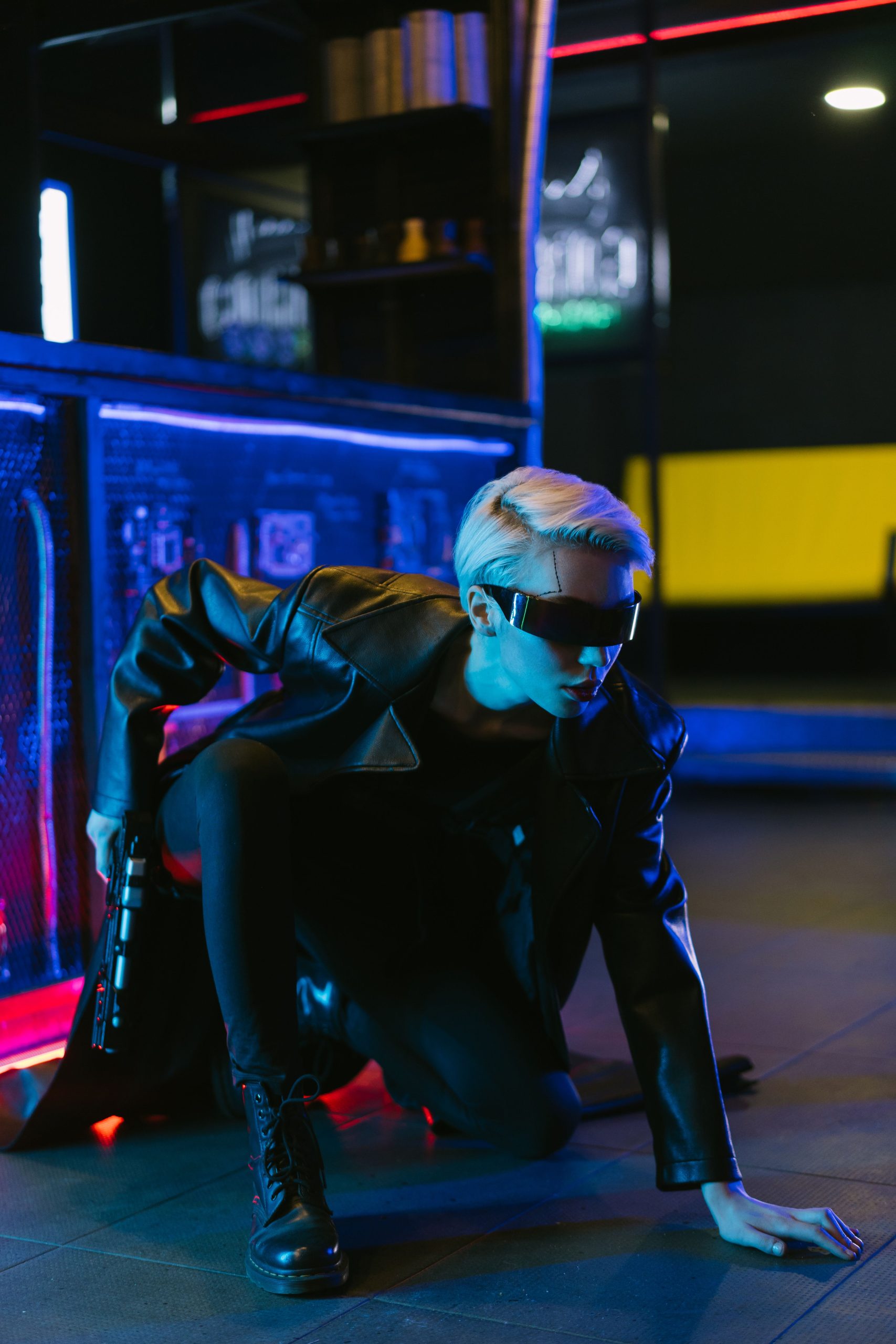
Welcome to the dazzling world of cyberpunk fiction, where high-tech meets low-life against a backdrop of neon-lit mega cities. If you’re a fan of dystopian futures filled with advanced technology and societal struggles, these novels will transport you to gripping urban landscapes that challenge the very essence of humanity.
This list showcases the best cyberpunk novels, each set in mesmerizing mega cities that pulse with energy and intrigue. Whether you’re looking for a thrilling adventure or a deep philosophical commentary, these books will illuminate your reading list!
1. Neuromancer by William Gibson – Best For Shaping Cyberpunk Culture
This seminal work is often credited with establishing the genre. The story follows Case, a washed-up computer hacker hired for one last job in a world where cyberspace and reality intertwine.
Key Features:
- First deployment of the term “cyberspace.”
- Intriguing characters that explore technology’s ramifications.
- A cybernetic setting that feels both profoundly relatable and distinctly foreign.
Pros:
- Innovative storytelling and world-building.
- Complex, multi-layered plot.
- Richly developed characters.
Cons:
- Dense and occasionally puzzling prose.
- Requires focus to fully grasp the intricate details.
2. Snow Crash by Neal Stephenson – Best For Action-Packed Adventure
This fast-paced novel introduces Hiro Protagonist, a pizza delivery driver and hacker, navigating a virtual universe and physical world plagued by a new digital drug. With humor and wit, Stephenson paints a vibrant picture of a sprawling cyberpunk universe.
Key Features:
- Engaging blend of action and technology.
- Satirical commentary on capitalism and culture.
- A unique vision of a hyper-commercialized world.
Pros:
- Quick-paced narrative keeps readers on their toes.
- Humorous and relatable characters.
- Insightful social critiques.
Cons:
- Some plot points may feel overly convoluted.
- Characters can occasionally lack depth.
3. Altered Carbon by Richard K. Morgan – Best For Thought-Provoking Themes
In a future where consciousness can be transferred between bodies, former soldier Takeshi Kovacs is hired to solve a rich man’s murder. This novel explores identity, morality, and the implications of immortality in a neon-filled world.
Key Features:
- Complex narrative entwined with deep philosophy.
- Richly constructed world-building.
- A compelling blend of noir and science fiction.
Pros:
- Intriguing exploration of identity and existence.
- Action-filled plot with vivid descriptions.
- Complex characters that evolve over time.
Cons:
- Graphic violence may not be suitable for all readers.
- Some might find pacing uneven at times.
4. The Windup Girl by Paolo Bacigalupi – Best For Environmental Themes
This novel presents a future Thailand where biotechnology has altered food production, environmental collapse challenges survival, and corporations vie for control. Bacigalupi’s vision of the mega city tackles pressing ecological issues with rich storytelling.
Key Features:
- Engaging socio-political commentary.
- Unique perspective on biotechnology’s impact on society.
- Vividly illustrated international settings.
Pros:
- Emotionally impactful narratives with diverse characters.
- Foreboding yet plausible world-building.
- Thought-provoking discussions on technology and ethics.
Cons:
- The pacing can sometimes lag.
- Complex plot threads may be challenging for some.
5. Ghost in the Shell by Masamune Shirow – Best For Manga Lovers
This iconic manga series blends cybernetics with philosophical questions about what it means to be human. Set in a futuristic Tokyo, it follows Major Motoko Kusanagi as she investigates cyber-crimes.
Key Features:
- Complex narrative intertwined with techno-philosophy.
- Visually stunning and artistically innovative.
- A strong female protagonist challenging societal norms.
Pros:
- Engaging plot with a strong focus on existential themes.
- Exceptional art enhances the storytelling.
- Influential work that has shaped the genre.
Cons:
- May be initially daunting for non-manga readers.
- Complex themes might require multiple readings.
6. Ready Player One by Ernest Cline – Best For Nostalgia Enthusiasts
Set in a dystopian future where people escape to a virtual reality universe known as the OASIS, this novel follows Wade Watts as he competes for a vast fortune. Cline draws on 80s pop culture, making it a nostalgic journey amidst neon-lit settings.
Key Features:
- A captivating blend of gaming culture and adventure.
- Allusions to various nostalgic elements and media.
- A vibrant virtual world that contrasts starkly with reality.
Pros:
- Quirky and relatable characters.
- Fast-paced and thrilling plot.
- Strong emotional resonance tied to nostalgia.
Cons:
- Excessive references may alienate non-gamers.
- Some critics argue the story is formulaic.
7. Do Androids Dream of Electric Sheep? by Philip K. Dick – Best For Philosophical Readers
This groundbreaking novel explores themes of humanity and artificial intelligence as Rick Deckard hunts rogue androids in a post-apocalyptic setting. Dick’s work raises questions about empathy and what it means to be “alive.
Key Features:
- A profound exploration of human emotion.
- Classic exploration of ethics and technology.
- Incredibly influential on both literature and film.
Pros:
- Thought-provoking and profound themes.
- Memorable characters and narrative arcs.
- Timeless relevance to our technological world.
Cons:
- Can be existential and heavy for casual readers.
- Some readers may find the pacing slow.
8. The Peripheral by William Gibson – Best For Futuristic Predictions
In this layered narrative, Gibson introduces readers to a future where high-tech work is outsourced to the past. The intertwining timelines and complex characters make for a thrilling ride through a neon mega city of the future.
Key Features:
- Innovative concepts of time travel and technology.
- Diverse characters across futures.
- A gripping commentary on society and class struggles.
Pros:
- Intricate world-building with depth.
- Engaging, critical narrative style.
- Compelling twists and turns.
Cons:
- Can be a challenge to follow at times.
- Requires attention to fully grasp the story.
9. The Matrix Comics – Best For Fans of the Franchise
These graphic novels fill in gaps of the beloved Matrix universe. Various writers and artists collaboratively explore the philosophical quandaries and dark themes set forth in the iconic films, all captured in stunning visuals.
Key Features:
- Wide range of artistic styles and narratives.
- Deep philosophical undercurrents.
- Expands upon the film’s universe significantly.
Pros:
- Visually engaging and thought-provoking stories.
- Richly developed lore and backstories.
- Appeals to both newcomers and die-hard fans.
Cons:
- The inconsistency in art and story quality.
- Assumes familiarity with the films.
10. The Long Way to a Small, Angry Planet by Becky Chambers – Best For Character-Driven Stories
This sci-fi novel delves into the crew of the Wayfarer, who embark on a journey through space. While not strictly cyberpunk, its diverse and deep characters navigating richly created worlds resonate strongly with science fiction and cyber themes.
Key Features:
- A focus on character development over plot.
- A diverse array of species and cultures.
- Heartfelt explorations of identity and belonging.
Pros:
- Vividly drawn characters that readers connect with.
- Richly imagined universe.
- Positive themes of cooperation and understanding.
Cons:
- Pacing might feel slow for plot-focused readers.
- Less action-oriented than traditional cyberpunk.
How to Choose the Best Cyberpunk Novels
When selecting your next cyberpunk read, consider what themes resonate most with you—whether it’s technological ethics, societal critiques, or character-driven narratives. Look for vibrant world-building depicted through neon-lit landscapes that awaken your imagination. Your appreciation for the genre could increase with each immersive dive into these towering mega cities!
#Cyberpunk #NeonCities #Fiction #BookRecommendations #Dystopian #SciFi #ReadingList #Literature