
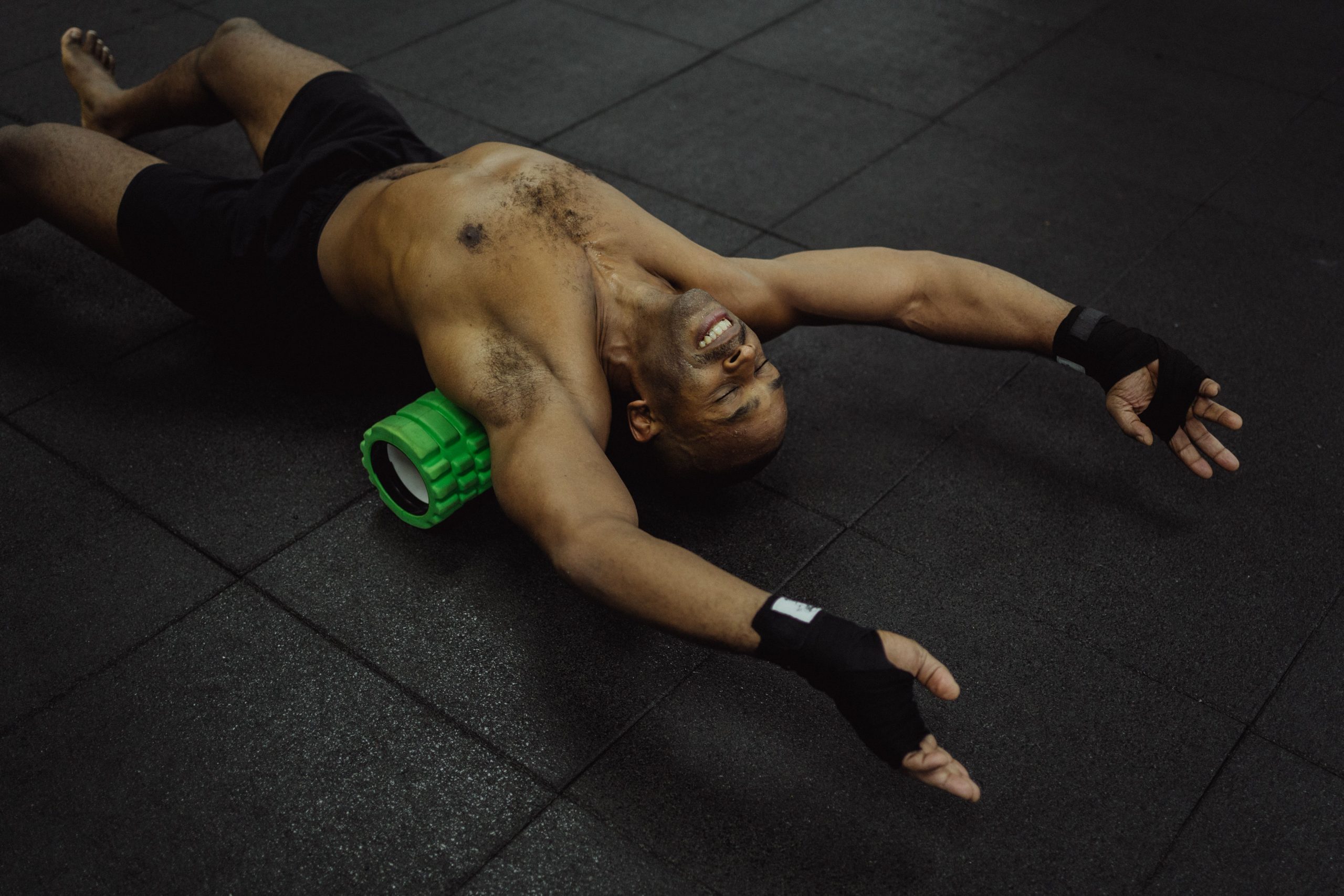
Are you tired of tight, sore muscles that hinder your performance and recovery? Foam rolling can transform your post-workout routine and significantly reduce muscle discomfort! In this article, we’ve compiled the 10 best foam rolling routines specifically designed to help you ease muscle tightness and enhance your mobility.
Whether you’re a seasoned athlete or a casual gym-goer, these routines will help you relax and rejuvenate your body. Get ready to roll away the tension!
1. Lower Back Roll – Best For Relieving Back Pain
This foam rolling routine targets the lower back, providing relief from tension and tightness that often builds up after long hours of sitting or intense workouts.
Key Features:
- Targeted pressure on lower back muscles
- Improves flexibility and range of motion
- Enhances recovery from back strains
Pros:
- Quick and easy to perform
- Relieves discomfort effectively
- Can be done anywhere
Cons:
- May be uncomfortable for some users
- Requires proper positioning to avoid injury
2. IT Band Roll – Best For Hip and Leg Mobility
The IT band roll focuses on the outer thighs, releasing tightness and improving hip mobility essential for runners and cyclists.
Key Features:
- Targets the tensor fascia lata and IT band
- Reduces risk of injuries like knee pain
- Enhances lateral mobility
Pros:
- Improves athletic performance
- Can alleviate knee discomfort
- Quick routine for busy athletes
Cons:
- Can be intense if not used correctly
- Some may need assistance to perform
3. Quadriceps Roll – Best For Thigh Recovery
This routine focuses on the front thighs, crucial for runners or anyone who performs lower-body workouts.
Key Features:
- Reduces tightness in the quadriceps
- Critical for post-exercise recovery
- Prevents injury by ensuring muscle pliability
Pros:
- Helps maintain muscle health
- Relieves soreness after workouts
- Easy to integrate into any routine
Cons:
- May cause discomfort initially
- Requires balance for effectiveness
4. Hamstring Roll – Best For Flexibility
The hamstring roll is designed to loosen tight hamstrings, essential for improved flexibility and reduced risk of injury.
Key Features:
- Targets the hamstring muscles
- Increases blood flow to the area
- Helps with recovery between activities
Pros:
- Enhances mobility
- Can help improve athletic performance
- Pain relief for tight hamstrings
Cons:
- May be challenging for beginners
- Some might find it too painful at first
5. Calf Roll – Best For Ankle and Foot Comfort
This routine helps release tension in the calves, essential for runners and people who spend long hours on their feet.
Key Features:
- Targets the calf muscles effectively
- Reduces tightness and discomfort
- Improves ankle flexibility
Pros:
- Simple and quick to perform
- Great for post-workout recovery
- Helps prevent shin splints
Cons:
- May not provide enough pressure for deep tissue work
- Can be uncomfortable for some users
6. Upper Back Roll – Best For Posture Improvement
Focusing on the upper back, this routine alleviates tension caused by poor posture and long hours at a desk.
Key Features:
- Relieves tension in the upper back and shoulders
- Improves posture and spinal alignment
- Aids in relaxation and stress relief
Pros:
- Enhances overall mobility
- Can relieve headaches related to tightness
- Improves breathing patterns
Cons:
- Can be awkward to manage alone
- May cause discomfort initially
7. Glute Roll – Best For Hip Pain Relief
This foam rolling routine provides targeted pressure to the glute muscles, effectively relieving hip pain and tightness.
Key Features:
- Targets gluteal muscles directly
- Reduces pain in lower back and hips
- Enhances recovery for active bodies
Pros:
- Quick routine for relaxation
- Improves hip mobility
- Helps relieve sciatica pain
Cons:
- May cause discomfort initially
- Requires control for best results
8. Chest Roll – Best For Upper Body Stretch
This unique routine focuses on opening up the chest area, alleviating tightness from slouching and helping improved overhead movements.
Key Features:
- Expands the chest and shoulder area
- Improves opening for upper body movements
- Reduces tension in the pectoral muscles
Pros:
- Enhances upper body range of motion
- Great for combating forward posture
- Promotes relaxation and stress relief
Cons:
- May be awkward for beginners
- Requires proper technique to be effective
9. Side Body Roll – Best For Lateral Flexibility
This routine targets the oblique muscles and rib cage, enhancing lateral flexibility and core strength.
Key Features:
- Focuses on side body muscles
- Improves core stability and strength
- Enhances overall body flexibility
Pros:
- Cultivates dynamic movement
- Prevent injuries during lateral movements
- Pain relief during activities
Cons:
- Requires balance and control
- May be tough to master
10. Full Body Routine – Best For Comprehensive Recovery
This all-in-one foam rolling routine covers multiple muscle groups, ensuring a full-body muscle recovery session that you can perform at any time.
Key Features:
- Covers various muscle groups
- Promotes overall relaxation
- Totally customizable based on your needs
Pros:
- Convenient for busy schedules
- Reduces muscle soreness quickly
- Great for overall wellness
Cons:
- Requires more time commitment
- May need guidance for proper technique
Final Verdict: How to Choose the Right Foam Rolling Routine
When selecting a foam rolling routine, consider which muscle groups feel the tightest or most sore. You can mix and match these routines based on your specific needs. Additionally, ensure you’re not rolling over painful areas excessively, and always listen to your body to avoid injury. The right routine will help you recover faster, perform better, and prevent injuries—so happy rolling!
#FoamRolling #MuscleRecovery #FitnessTips #SelfCare #PhysicalTherapy #WellnessJourney #WorkoutRecovery