
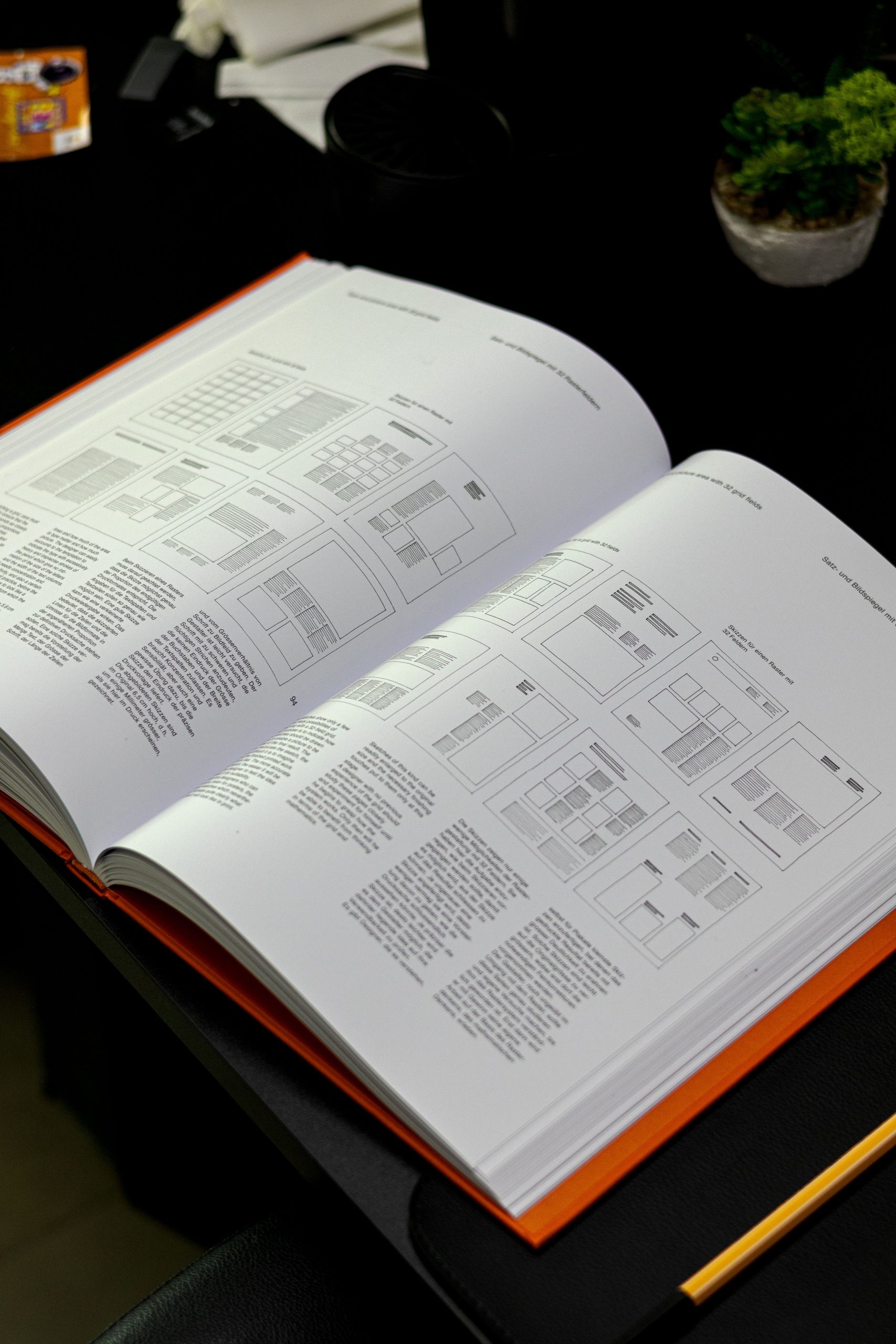
Are you looking to level up your game design skills? Whether you’re a beginner or an experienced developer, the right books can provide invaluable insights into the art and science of game design. This list compiles the top game design theory books that industry professionals swear by, ensuring you’ll deepen your understanding and enhance your creative process.
From design fundamentals to advanced mechanics, these books will equip you with the tools you need to create compelling games that captivate players. Let’s dive in and discover which titles made the cut!
1. The Art of Game Design: A Book of Lenses – Best For Comprehensive Understanding
Written by Jesse Schell, this book takes a holistic approach to game design, providing 100 different lenses through which to view game creation. It’s perfect for those who want to think critically about their design choices.
Key Features:
- 100 lenses for game evaluation
- Practical exercises and examples
- Accessible for all levels of experience
Pros:
- Rich in examples
- Encourages creative thinking
- Well-structured for reference
Cons:
- Some may find it overwhelming
- Less focus on programming aspects
2. Rules of Play: Game Design Fundamentals – Best For Foundational Knowledge
This essential text by Katie Salen and Eric Zimmerman provides a thorough overview of game design theory, emphasizing the essential elements that define games. Ideal for students and aspiring designers.
Key Features:
- Explores key game design concepts
- Interdisciplinary approach
- Includes case studies
Pros:
- Highly academic yet readable
- Great for group discussions
- Covers various genres
Cons:
- Lengthy text may deter some readers
- Academic jargon at times
3. The Design of Everyday Things – Best For User Experience Insights
Don Norman’s classic work isn’t solely about games, but its principles on design thinking and user experience have significant implications for game designers looking to create intuitive interfaces.
Key Features:
- Insightful principles of design
- Emphasis on usability
- Real-world examples
Pros:
- Applicable to various design fields
- Thought-provoking content
- Well-written and engaging
Cons:
- Not focused solely on games
- May seem basic to experienced designers
4. Game Feel: A Game Designer’s Guide to Virtual Sensation – Best For Immersive Experiences
In this unique book, Steve Swink emphasizes the importance of “game feel” and how it affects the player’s experience. A must-read for designers focused on creating tactile and engaging gameplay.
Key Features:
- Focus on player emotions
- Practical tips for implementation
- Combines theory and practice
Pros:
- Deepens understanding of player interactions
- Highly relevant for indie developers
- Encourages experimentation
Cons:
- Lacks broad coverage of game design
- More suited for specific gameplay styles
5. Level Up! The Guide to Great Video Game Design – Best For Hands-On Learners
This book by Scott Rogers is both informative and fun, providing practical tips, exercises, and insights into the game design process. It’s designed for readers who want a proactive way to learn.
Key Features:
- Engaging illustrations and examples
- Practical advice for new designers
- Includes exercises and tips
Pros:
- Highly approachable
- Interactive learning experience
- Covers a range of game types
Cons:
- Less theoretical depth
- May lack rigor for advanced designers
6. The Game Maker’s Toolkit: A Practical Guide to Games – Best For Practical Application
Developed from a renowned video series, this book offers practical insights into game making, focusing on how to analyze and improve design. A great tool for budding developers.
Key Features:
- Hands-on analytical exercises
- Covers popular game mechanics
- Accessible for all skill levels
Pros:
- Clear and easy to follow
- Perfect for workshops and classes
- Inclusive of industry case studies
Cons:
- Less emphasis on visual design elements
- Some concepts might feel basic
7. Playful Design: Creating Game Experiences in Everyday Interfaces – Best For Everyday Innovations
Author John Ferrara discusses how to incorporate playful design principles into various mediums beyond just video games. It’s essential reading for those looking to make games more engaging in innovative ways.
Key Features:
- Blends game design with everyday design
- Focuses on user engagement
- Includes various examples from different industries
Pros:
- Encourages creative thinking
- Applicable in multiple fields
- Fun and engaging approach
Cons:
- Not entirely focused on traditional game design
- May require foundational knowledge
8. From Idea to Game: A Guide to Designing & Prototyping Games – Best For Practical Prototyping Skills
This practical guide by Daryl L. Plummer focuses on transforming your ideas into prototypes, emphasizing the iterative process of game design. Great for hands-on learning and experimentation.
Key Features:
- Covers all stages of game development
- Rich in practical advice
- Includes real-world examples
Pros:
- Strong emphasis on prototyping
- Encourages feedback-driven design
- Highly informative for aspiring developers
Cons:
- Focus may be narrow for advanced designers
- Less emphasis on theory
9. Game Design Workshop: A Playcentric Approach to Creating Innovative Games – Best For Collaborative Design
Tracy Fullerton’s book advocates for a hands-on, play-centric approach that involves players in the design process. Ideal for teachers and students in game design programs.
Key Features:
- Focus on collaboration and playtesting
- Clear instructions for workshops
- Featuring various design scenarios
Pros:
- Highly practical guide
- Encourages teamwork
- Great for classroom settings
Cons:
- May not suit individual creators
- Some advanced concepts may be simplified
10. Challenges for Game Designers – Best For Gaining Real-World Skills
This interactive book by Brenda Brathwaite and Ian Schreiber offers a series of design challenges that compel readers to think outside the box. It’s perfect for practicing your design skills in a fun way.
Key Features:
- Gives practical design challenges
- Focus on creative solutions
- Encourages reflection on design processes
Pros:
- Interactive and engaging
- Stimulates creative thinking
- Rich with examples
Cons:
- Less theoretical background
- May not guide through complete design processes
How to Choose the Right Game Design Book for You
When seeking the perfect game design book, consider your current skill level and what specific areas you want to improve. Beginners may prefer comprehensive guides, while seasoned designers might look for materials focusing on advanced techniques or fresh methods. Sometimes, it’s best to explore a mix of theory and practical applications to widen your perspective in the field.
#GameDesign #GameDevBooks #VideoGameDesign #TabletopGameDesign #DesignTheory #GameDevelopment #IndieGameDev #GameDesignBooks