
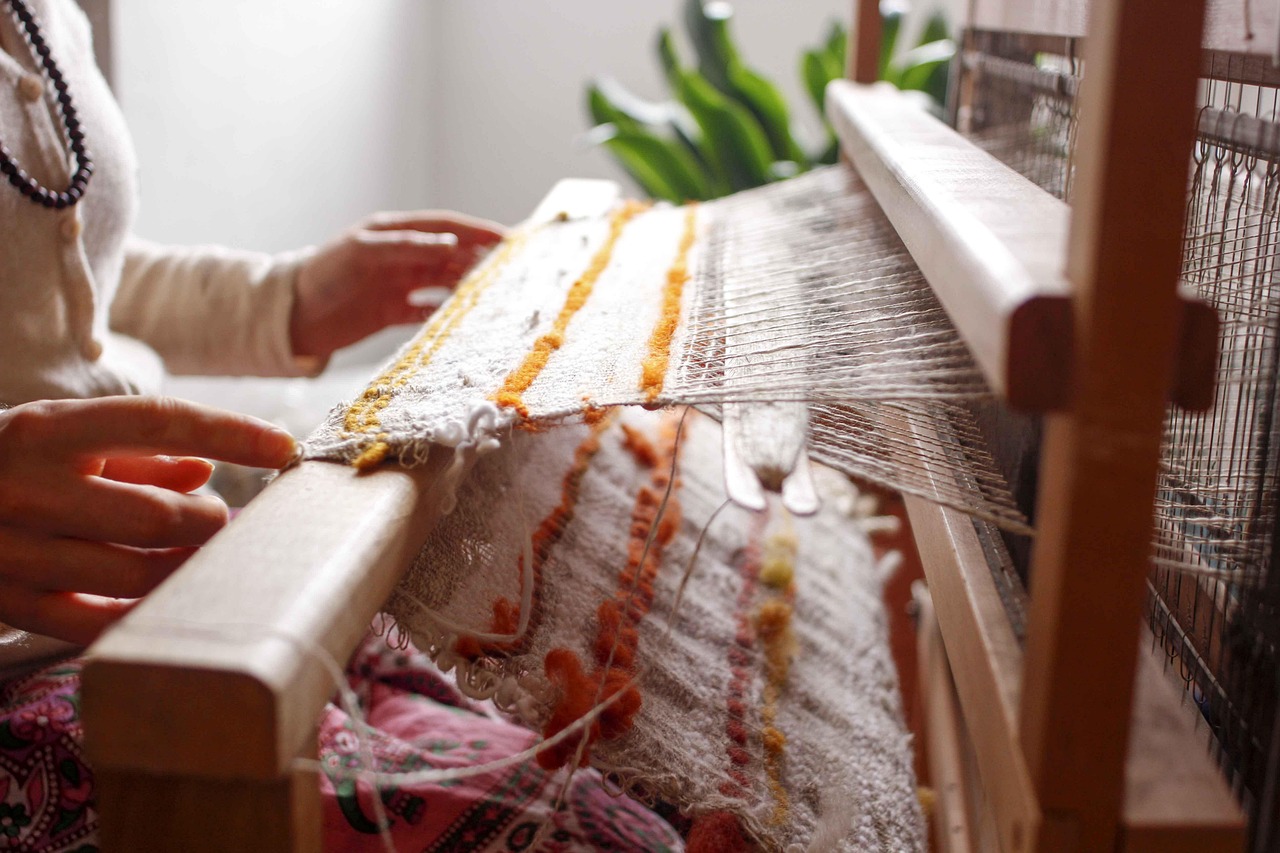
If you’re looking to master the art of handloom weaving, having the right manual can make all the difference. Whether you’re a beginner or seeking to enhance your skills, these comprehensive guides will provide you with the insights you need to set up and operate your loom effectively. Dive in to discover the top manuals that every weaver should have on their bookshelf!
From detailed illustrations to step-by-step instructions, these handloom weaving manuals cover a wide range of techniques and troubleshooting tips. Get ready to create beautiful textiles with confidence!
1. The Handloom Weaving Manual – Best For Beginners
This manual is ideal for those just starting their handloom weaving journey. It breaks down complex concepts into easy-to-understand steps.
Key Features:
- Clear illustrations for set-up.
- Step-by-step guidance on basic techniques.
- Tips for beginners to avoid common mistakes.
Pros:
- Comprehensive information for novices.
- Easy to follow format.
- Great for visual learners.
Cons:
- Limited advanced techniques.
- Less detail for experienced weavers.
- Some sections may feel repetitive.
2. Weaving with the Handloom – Best For Advanced Techniques
This manual caters to experienced weavers looking to explore advanced patterns and techniques. It adds complexity to your projects.
Key Features:
- Guidance on intricate designs.
- Advanced troubleshooting tips.
- In-depth discussion on yarn types.
Pros:
- Expands skill set greatly.
- Challenging projects to push creativity.
- Very detailed approach.
Cons:
- Might overwhelm beginners.
- Requires prior weaving knowledge.
- Fewer examples than expected.
3. The Weaver’s Companion – Best For Reference
This is a great all-in-one reference manual that covers everything from basic to expert techniques. Perfect for on-the-go weavers.
Key Features:
- Extensive glossary of weaving terms.
- Detailed charts for patterns.
- Quick tips for busy artisans.
Pros:
- Very handy for quick troubleshooting.
- Covers a wide range of topics.
- Useful for both beginners and professionals.
Cons:
- Less focus on step-by-step instructions.
- May lack depth on some subjects.
- Can be a bit dense in content.
4. Handloom Weaving for the New Era – Best For Sustainability
This manual dives into sustainable practices in handloom weaving, making it perfect for eco-conscious artisans.
Key Features:
- Focus on organic materials.
- Tips for reducing waste.
- Innovative eco-friendly techniques.
Pros:
- Emphasizes sustainability.
- Good for modern artisans.
- Inspires creativity with eco-practices.
Cons:
- Some techniques may be untraditional.
- Limited focus on commercial aspects.
- Requires a shift in mindset.
5. Mastering Loom Weaving – Best For Professionals
This comprehensive manual is targeted at seasoned weavers aiming to take their craft to a professional level. It covers everything from marketing your work to fine-tuning your techniques.
Key Features:
- In-depth discussions on weaving strategies.
- Marketing and selling woven goods.
- Expert insights from professional weavers.
Pros:
- Thorough guidance for serious weavers.
- Business insights are invaluable.
- Advanced troubleshooting included.
Cons:
- Might not suit hobbyists.
- Lengthy text can be daunting.
- Fewer project examples.
6. Exploring Textiles – Best For Historical Context
This manual offers an interesting perspective on the history of weaving and textiles, linking traditional practices to modern techniques.
Key Features:
- The historical significance of various techniques.
- Profiles of key cultural textiles.
- Connections between past and present weaving methods.
Pros:
- Educational and insightful.
- Fosters appreciation for the craft.
- Great for research and inspiration.
Cons:
- Less hands-on practical advice.
- May not focus on setup and operation.
- Scholarly tone may not appeal to everyone.
7. The Art of Weaving – Best For Artistic Expression
If you’re interested in the artistic side of weaving, this manual inspires creativity and diversification in your work.
Key Features:
- Techniques for mixed media.
- Guides on color theory.
- Ways to incorporate personal style.
Pros:
- Encourages self-expression.
- Great for enhancing artistry.
- Visually stunning illustrations.
Cons:
- Limited focus on technical skills.
- May lack structure for beginners.
- Not as practical for everyday weaving.
8. Weaving Basics – Best For Quick Reference
This concise manual serves as a quick reference guide for common techniques and setups, perfect for busy weavers.
Key Features:
- Simple explanations of fundamental principles.
- A compact guide for weaving setups.
- Accessible format for quick insights.
Pros:
- Easy to carry and use.
- Great for quick problem-solving.
- Suitable for all levels of weavers.
Cons:
- Limited depth on advanced topics.
- May overlook complex techniques.
- Not suitable as a standalone resource.
9. The Complete Guide to Handloom Textiles – Best For Multiple Techniques
This extensive guide offers a plethora of techniques, ranging across various weaving styles, ensuring your skills expand widely.
Key Features:
- Comprehensive covering multiple styles.
- Step-by-step procedures for various techniques.
- Illustrations and patterns included.
Pros:
- Great for skill enhancement.
- Broad range of techniques covered.
- Invaluable reference for diverse weavers.
Cons:
- Longer read than most manuals.
- Takes time to find specific information.
- Can feel overwhelming.
10. Weaving for Everyone – Best For Community Learning
This manual promotes group learning and sharing experiences, perfect for those who enjoy working collaboratively in weaving.
Key Features:
- Emphasizes collaborative projects.
- Encourages sharing techniques between weavers.
- Features community stories and insights.
Pros:
- Builds a sense of community.
- Encourages peer-to-peer learning.
- Inspires collaborative creativity.
Cons:
- Less structured for individual learning.
- May not appeal to solo artisans.
- Requires more resources for group activities.
How to Choose the Right Handloom Weaving Manual
When selecting the perfect handloom weaving manual, consider your skill level and what you aim to achieve. Beginners should look for manuals that offer clear instructions and foundational skills, while advanced weavers may prefer texts that dive deep into complex patterns and business aspects. Additionally, consider the style of learning (visual, practical, theoretical) that best supports you in your weaving journey. Finding a book that resonates with your personal goals and creative vision is key to mastering this beautiful craft.
#HandloomWeaving #WeavingManuals #TextileArt #CraftingCommunity #SustainableWeaving #ArtisanalCrafts #WeavingTechniques #HandmadeTextiles