
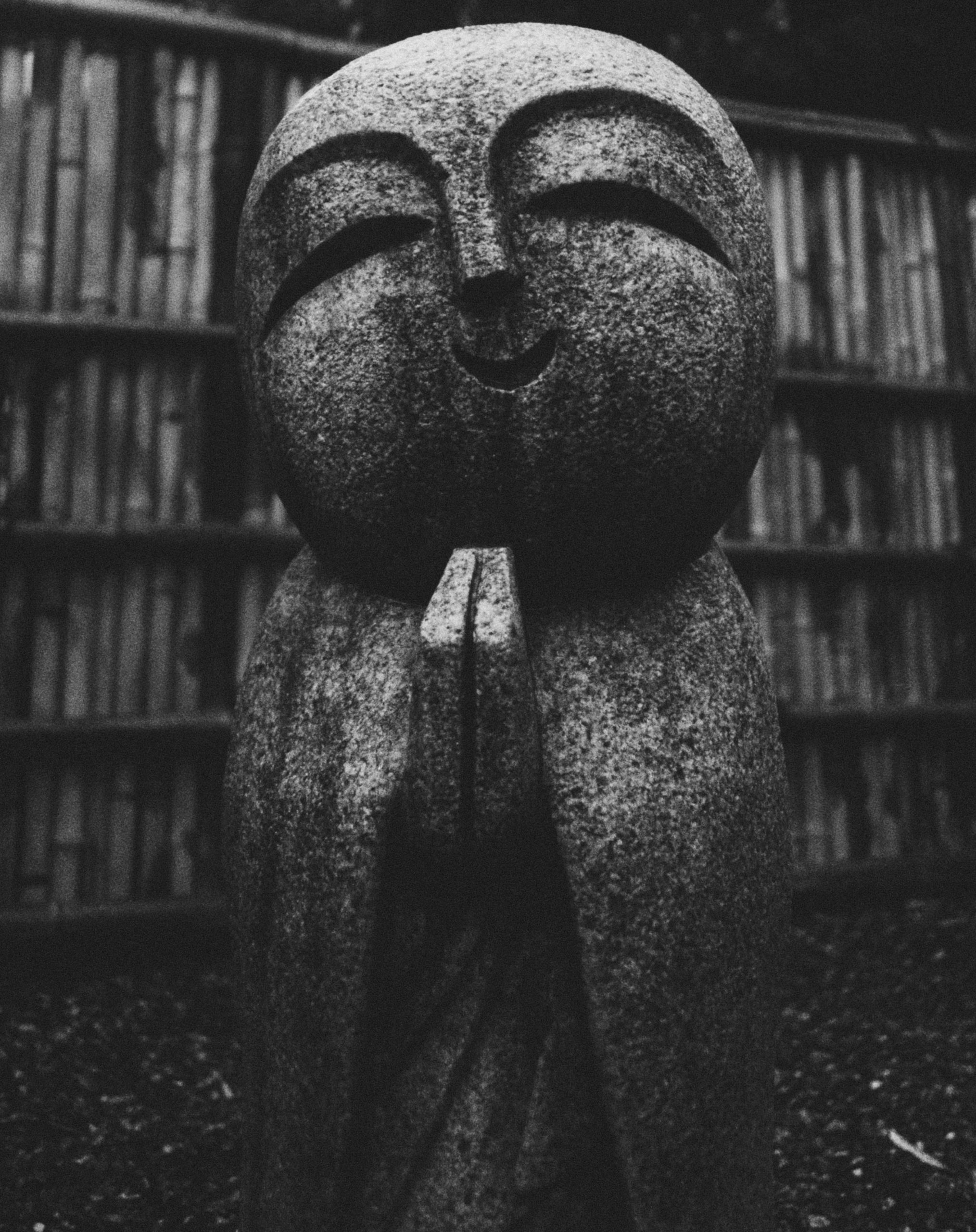
Delve into the rich tapestry of Japanese mythology and religion with these captivating anthologies. From Shinto deities to Buddhist parables, these collections offer insightful tales that resonate with both tradition and spiritual depth. Whether you’re a seasoned scholar or a curious newcomer, these books will enrich your understanding of Japan’s cultural heritage.
Explore the enchanting worlds of Shinto and Buddhist folklore through these 10 essential anthologies. Each selection provides a unique lens into the narratives that have shaped Japan’s spiritual landscape.
1. Japanese Tales of Mystery and Imagination – Best For Enthralling Stories
This anthology brings together traditional Japanese tales that explore the mysteries of life and the supernatural. Each story captures the essence of Japanese folklore, blending beauty with horror.
Key Features:
- A rich collection of ghost stories
- Illustrations that enhance the reading experience
- Curated by renowned folklorist
Pros:
- Engaging and vivid storytelling
- Diverse selection of narratives
- Appeals to both adults and younger readers
Cons:
- Some tales may be culturally specific
- Not all stories are equally compelling
2. The Kojiki: Records of Ancient Matters – Best For Historical Context
The Kojiki is Japan’s oldest extant chronicle, presenting mythological origins and legends of the Japanese archipelago. This classic text is essential for anyone interested in Japanese mythology.
Key Features:
- Translation by esteemed scholars
- Includes historical commentary
- Richly detailed descriptions of deities
Pros:
- Foundational text for understanding Shinto
- Comprehensive and detailed
- A classic piece of Japanese literature
Cons:
- Complex language for modern readers
- May require supplementary reading for clarification
3. The Nihon Shoki: Chronicles of Japan – Best For Extensive Myths
The Nihon Shoki is a valuable counterpart to the Kojiki, providing a more thorough account of Japan’s mythic past. It offers additional stories and legends that date back to ancient times.
Key Features:
- Comprehensive chronicle of Japanese history
- Detailed descriptions of early deities
- Translated and annotated for clarity
Pros:
- In-depth exploration of Japan’s narratives
- Scholarly credibility
- A key resource for researchers
Cons:
- Lengthy and densely packed
- Can be overwhelming for casual readers
4. The Tale of the Heike – Best For Epic Battles
This epic tale chronicles the struggle between the Taira and Minamoto clans during the Genpei War. It offers not only gripping narratives but also profound reflections on life and loss.
Key Features:
- Historical and political narrative
- Rich character development
- Embedded themes of impermanence
Pros:
- Captivating storytelling
- Deep philosophical insights
- Significant cultural impact
Cons:
- Heavy historical context may confuse some
- Requires focus for full appreciation
5. Yōkai and Other Japanese Monsters – Best For Supernatural Enthusiasts
This anthology provides an engaging overview of yōkai, or supernatural creatures, in Japanese folklore. Each account depicts these beings, blending horror with humor.
Key Features:
- Full-color illustrations of yōkai
- Short stories packed with cultural significance
- A mix of classic and modern interpretations
Pros:
- Visually appealing and approachable
- Fun and entertaining narratives
- Great for all ages
Cons:
- Less depth on traditional narratives
- Some stories may feel lighthearted rather than profound
6. The Book of Gods and Spirits – Best For Cross-Cultural Insights
This anthology explores gods and spirits from various Japanese traditions, providing readers with comparative narratives. It’s perfect for understanding the broader cultural context of Japanese spirituality.
Key Features:
- Cross-analysis of deities
- Diverse narratives from different areas of Japan
- Explains cultural significance
Pros:
- Educational and insightful
- Connects with global spiritual stories
- A good starting point for newcomers
Cons:
- May feel scattered to some readers
- Less focus on individual traditions
7. Folktales of Japan – Best For Family Readings
This collection is filled with delightful folktales that have been passed down through generations. Tailored for families, this anthology sparks joy and moral lessons through storytelling.
Key Features:
- Easy-to-read format
- Illustrations to captivate young readers
- A collection of both popular and lesser-known tales
Pros:
- Perfect for reading aloud
- Encourages family bonding
- Incorporates life lessons and values
Cons:
- Less focus on detailed interpretations
- May lack depth for scholarly readers
8. Spirits, Monsters, and Myths of Japan – Best For Visual Enthusiasts
This anthology showcases Japanese folklore through vivid illustrations and narratives. Each story is brought to life with beautiful artwork that enhances the mythological content.
Key Features:
- Stunning artwork accompanying tales
- Clear explanations of each myth
- Focus on visual storytelling
Pros:
- Great for visual learners
- Inspires creativity
- Accessible for all ages
Cons:
- May focus more on illustrations than text
- Less depth in mythological context
9. Zen Stories: Teachings of the Buddha – Best For Philosophical Insight
This anthology compiles Zen stories that illustrate key Buddhist philosophies. Each tale offers a lesson on mindfulness, simplicity, and enlightenment.
Key Features:
- Concise and impactful narratives
- Focus on Zen teachings
- Reflection questions included
Pros:
- Enhances understanding of Zen Buddhism
- Great for meditation practices
- Encourages philosophical discussions
Cons:
- Some stories may feel abstract
- Requires contemplation for full appreciation
10. Tales of the Samurai: Legendary Japan – Best For Action and Honor
This anthology captures the samurai spirit through thrilling tales that emphasize honor, duty, and bravery. Perfect for those drawn to action-packed folklore.
Key Features:
- Focus on iconic samurai legends
- Detailed character sketches
- Covers historically significant events
Pros:
- High-action narratives
- Rich in cultural significance
- Inspires admiration for samurai values
Cons:
- May glorify violence at times
- Less focus on spiritual themes
How to Choose the Right Anthology for You
When selecting a Japanese folklore anthology, consider your interests—whether you’re drawn to myths, historical narratives, or philosophical teachings. Look for editions with annotations or illustrations if you prefer supportive commentary or visual engagement. Finally, read reviews to gauge which anthology aligns best with your reading tastes and educational goals.
#JapaneseFolklore #ShintoLegends #BuddhistStories #Mythology #Folktales #CulturalAnthologies #Literature #ReadingList