
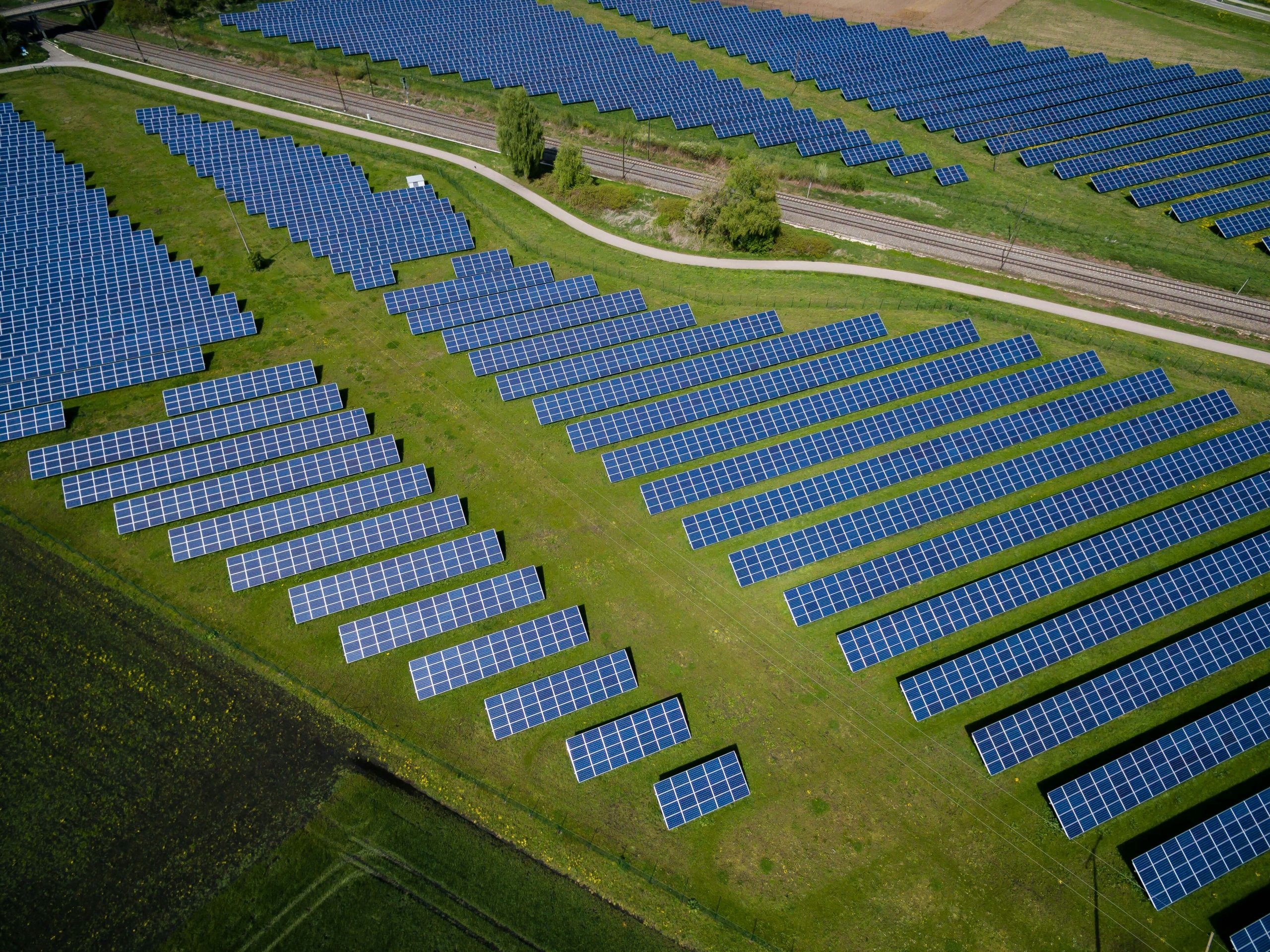
As the world shifts towards sustainable energy sources, the importance of efficient energy storage systems has never been more critical. With advancements in technology, renewable energy storage solutions are becoming more efficient and cost-effective, making them a vital part of the energy landscape.
In this list, we’ve gathered the top 10 renewable energy storage systems that are not only innovative but also set to revolutionize how we harness and utilize renewable resources. Let’s dive right in to discover the best options available!
1. Tesla Powerwall – Best for Home Energy Efficiency
The Tesla Powerwall is a standout in home energy storage, allowing homeowners to store solar energy for use at night or during outages. Its compact design and smart technology make it a top choice for energy independence.
Key Features:
- 10 kWh storage capacity
- Integrated backup power systems
- Smart technology for remote management
Pros:
- Easy installation
- Compatible with solar panels
- High efficiency and performance
Cons:
- Higher initial cost
- Limited coverage area
- Requires a specific installation setup
2. LG Chem RESU – Best for Versatility
LG Chem RESU stands out for its versatility, making it ideal for both residential and commercial applications. It offers a range of capacities to suit different energy needs, maximizing energy management.
Key Features:
- Lightweight and compact design
- Multiple capacity options: 6.5 – 13 kWh
- Efficient lithium-ion technology
Pros:
- Scalable system
- High-performance storage
- Durable and reliable
Cons:
- Cost can be high depending on capacity
- Requires professional installation
- Limited warranty period
3. Sonnen Eco – Best for Sustainability
The Sonnen Eco is a unique product that not only stores energy but promotes sustainable living. It has a community-sharing feature that allows users to trade energy with neighbors, enhancing the traditional energy grid.
Key Features:
- Available in different storage capacities
- Community energy sharing network
- User-friendly app for monitoring
Pros:
- Promotes renewable energy sharing
- Comprehensive energy management system
- High-level build quality
Cons:
- Cost may be prohibitive for some
- Installation requires expertise
- Network availability limitations
4. Enphase IQ Battery – Best for Solar Integration
The Enphase IQ Battery is engineered to work seamlessly with Enphase solar systems, offering users an ideal solution for maximizing solar energy utilization. Its modular design ensures it can grow with your energy needs.
Key Features:
- Smart grid-ready solar storage
- Total system monitoring capabilities
- Modular design for easy expansion
Pros:
- Excellent compatibility with solar panels
- Easy to install and scale
- Real-time energy tracking
Cons:
- Not suitable for non-Enphase users
- Higher upfront cost
- Limited availability in some regions
5. Panasonic EverVolt – Best for High Capacity
The Panasonic EverVolt is designed for high-capacity energy storage, making it a top pick for large households and businesses. Its dual battery system provides extensive energy reserves, ideal for high-demand situations.
Key Features:
- Battery capacities up to 30 kWh
- Flexible installation options
- Advanced safety features
Pros:
- High energy storage capacity
- Versatile configuration options
- Strong reputation for reliability
Cons:
- Higher price point
- Requires professional installation
- Limited user interface capabilities
6. ABB GridEdge – Best for Industrial Applications
ABB GridEdge is tailored for commercial and industrial use, offering robust solutions for managing large-scale energy storage systems. Its advanced software ensures optimal energy use and efficiency.
Key Features:
- Designed for high-capacity applications
- Integration with existing energy grids
- Advanced software controls
Pros:
- Highly adaptable to various operations
- Maximizes energy efficiency
- Strong performance record
Cons:
- Higher upfront investment
- Complex installation process
- Requires ongoing maintenance
7. Eguana Technologies EGS – Best for Flexibility
The Eguana Technologies EGS system provides an adaptable solution for both grid-tied and off-grid applications, making it a versatile choice for various settings. Its flexible architecture accommodates multiple configurations.
Key Features:
- Supports both AC and DC coupled systems
- Integration with solar and wind sources
- User-friendly interface for monitoring
Pros:
- Exceptional flexibility in deployment
- Compatibility with different renewable sources
- Efficient energy distribution
Cons:
- Higher complexity in setup
- Costly for smaller applications
- Limited availability in some areas
8. AES NextBattery – Best for Fast Response
AES NextBattery is a cutting-edge solution designed for rapid-response energy storage, ideal for utility-scale applications. It delivers quick energy responses to fluctuations in the energy grid, ensuring stability.
Key Features:
- High power output for immediate delivery
- Advanced predictive analytics
- Integration with renewable energy sources
Pros:
- Exceptional response time
- Robust performance under varied conditions
- Highly scalable for changing needs
Cons:
- High installation costs
- Limited consumer-level options
- Requires particular infrastructure
9. Blue Planet Energy Blue Ion – Best for Safety
Blue Planet Energy’s Blue Ion system emphasizes safety with advanced battery technology that minimizes risks while providing effective energy storage. It’s an excellent choice for homes prioritizing security and sustainability.
Key Features:
- Uses safe lithium-iron phosphate chemistry
- Available in various capacities
- Designed to minimize fire hazards
Pros:
- Safe and hazard-free performance
- Robust energy management
- Long lifespan of the batteries
Cons:
- Limited availability in some regions
- Initial investment cost is high
- Lacks some smart features of competitors
10. AEG Energy Storage Systems – Best for Long-Term Storage
AEG offers energy storage systems focused on long-term sustainability, providing solutions for both residential and commercial users. Their systems excel in integrating renewable energy sources into everyday life seamlessly.
Key Features:
- Long battery lifespan
- Smart monitoring technology
- Multiple capacity options
Pros:
- Excellent long-term investment
- Compatible with various renewable sources
- Increased energy independence
Cons:
- Requires space for installation
- Higher initial investment
- Complex installation requirements
How to Choose the Right Renewable Energy Storage System
When selecting the best renewable energy storage system for your needs, consider factors such as capacity, compatibility with existing systems (like solar panels), installation costs, and any future scalability options. Remember to also evaluate warranties and customer support provided by the manufacturer.
#RenewableEnergy #EnergyStorage #SolarPower #SustainableLiving #GreenTechnology #CleanEnergy #EcoFriendly #EnergyIndependence