
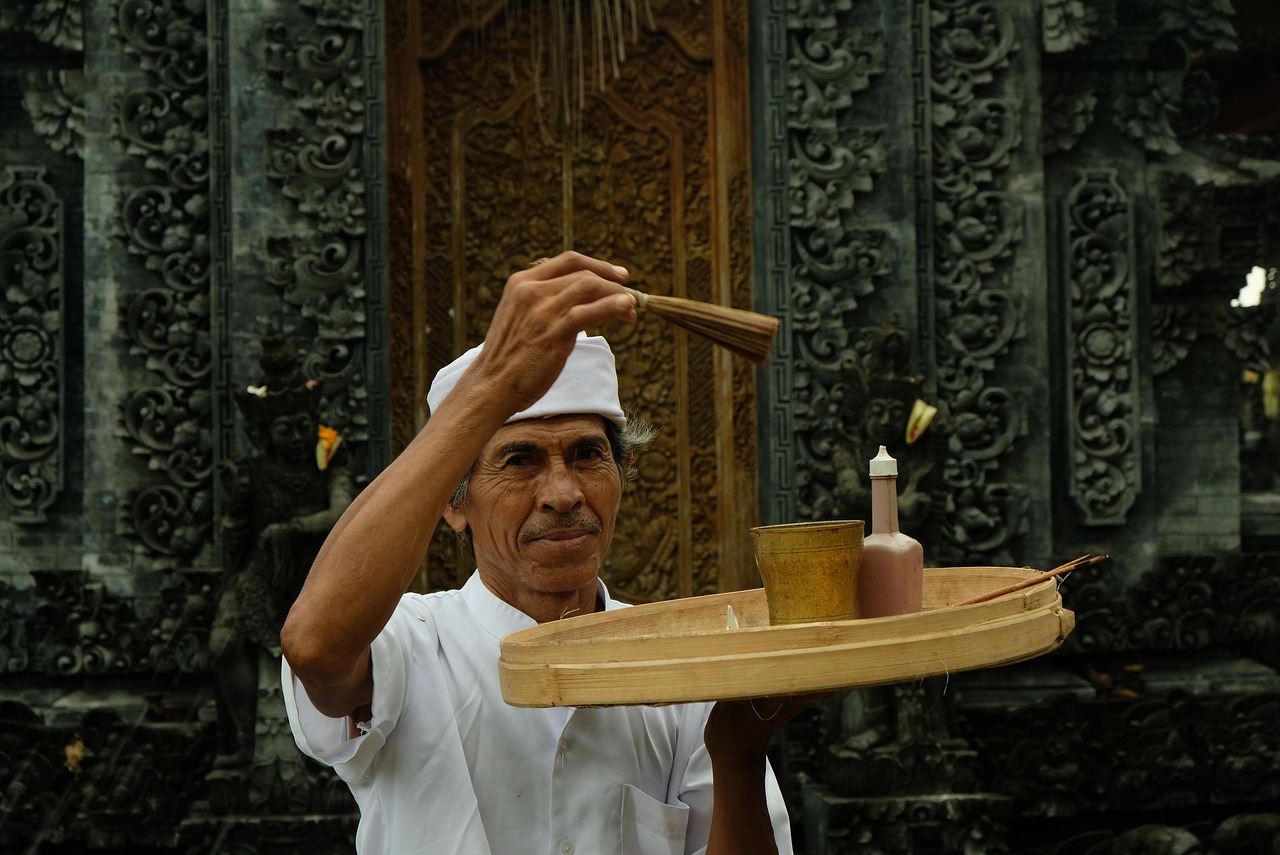
Are you fascinated by the profound impact rituals and sacred ceremonies have on cultures around the world? This list delves into the 10 best studies that explore the significance, structure, and psychological benefits of these age-old practices. Whether you’re an academic, a spiritual seeker, or simply a curious mind, these insights will offer you a glimpse into the transformative power of ritual.
From insightful ethnographies to psychological analyses, each study reveals how rituals shape our experiences and beliefs. Let’s explore these fascinating works that have made significant contributions to the fields of anthropology, sociology, and psychology.
1. “The Ritual Process: Structure and Anti-Structure” by Victor Turner – Best For Understanding Social Transformations
This groundbreaking study by Victor Turner explores the concept of liminality in rituals, analyzing how individuals transition through social phases. Turner’s insightful observations on communal bonding and identity formation make this a must-read.
Key Features:
- In-depth analysis of liminality
- Impact on social structures
- Rich ethnographic examples
Pros:
- Comprehensive theoretical framework
- Engaging writing style
- Applicable in various cultural contexts
Cons:
- Might be challenging for beginners
- Requires familiarity with anthropological concepts
2. “Ritual and Religion in the Making of Humanity” by Harvey Whitehouse – Best For Insights on Cognitive Science
Harvey Whitehouse examines how different forms of ritual influence human cognition and societal structures. This book intertwines cognitive science with anthropological insights, making it a unique contribution to the study of rituals.
Key Features:
- Integration of cognitive science and anthropology
- Exploration of memory and learning
- Significance in the context of modernity
Pros:
- Innovative perspective on rituals
- Highly engaging for readers
- Offers fresh interpretations of human behavior
Cons:
- Complex concepts may require deep reflection
- May not appeal to all audiences
3. “The Sacred and The Profane” by Mircea Eliade – Best For Historical Contexts
This seminal work delves into the nature of sacred and profane realities, providing extensive historical context. Eliade’s exploration of how rituals connect individuals with the sacred has influenced countless fields of study.
Key Features:
- Historical perspective on sacred practices
- Investigates the significance of myth
- Cross-cultural examples
Pros:
- Timeless relevance
- Richly detailed insights
- Foundation for many contemporary studies
Cons:
- Lengthy and dense at times
- Occasional ambiguity in arguments
4. “The Meaning of Ritual” by Michael Houseman & Alessandro Baumann – Best For Exploration of Psychological Perspectives
This work investigates the psychological effects rituals have on participants. By examining various case studies, it highlights the emotional and mental benefits derived from ritualistic practices.
Key Features:
- Case studies across different cultures
- Focus on psychological impact
- Examines emotional responses
Pros:
- Accessible to all readers
- Clear structure
- Engaging case studies
Cons:
- May lack depth for some scholars
- Generalized conclusions may not apply to all cultures
5. “The Construction of Ritual: Buddhist and Hindu Perspectives” by Susan Blackburn – Best For Comparative Analyses
This study compares rituals in Buddhism and Hinduism, highlighting similarities and differences. Blackburn’s comparative approach brings rich insights into how culture shapes ritualistic practices.
Key Features:
- Comparative framework
- Emphasis on cultural context
- In-depth analyses of specific rituals
Pros:
- Richly detailed cross-cultural insights
- Highly informative for comparative religion
- Engaging narrative style
Cons:
- Limited focus on other religious practices
- Some may find the analysis too narrow
6. “Ritual and Performance in the Making of Spiritual Traditions” by Anne Fadiman – Best For Personal Narratives
Fadiman’s work blends personal narrative with analysis, providing a poignant exploration of how rituals shape spiritual traditions. This study encourages readers to reflect on the role of personal experience in ritual.
Key Features:
- Personal narrative style
- Exploration of individual spirituality
- Focus on the transformative power of rituals
Pros:
- Accessible and engaging
- Encourages personal reflections
- Uniquely blends stories and analysis
Cons:
- Might lack academic rigor for some
- Focus on a limited scope of traditions
7. “Rituals of Time and Space” by Richard Schechner – Best For Performance Studies
This insightful book approaches rituals from a performance studies perspective, analyzing how they enact social meanings and cultural narratives. Schechner’s insights into the performative aspects of rituals add depth to our understanding.
Key Features:
- Performance-based analysis
- Study of cultural narratives
- Interaction between audience and ritual
Pros:
- Innovative approach to ritual studies
- Captivating examination of performances
- Applicable across various disciplines
Cons:
- Theory-heavy for casual readers
- Assumes prior knowledge of performance studies
8. “In Search of Ritual: Process and Meaning” by David K. Frasier – Best For Theoretical Developments
Frasier’s work is an exploration of the theoretical frameworks surrounding ritual studies. It serves both as a comprehensive overview and a deep dive into the complexities of ritualistic processes.
Key Features:
- Theoretical underpinnings of ritual
- Critical insights into process and meaning
- In-depth discussions on various methodologies
Pros:
- Thorough grounding in theory
- Engaging for scholars and students
- Broad applications across disciplines
Cons:
- May overwhelm casual readers
- Abstract concepts require deep thought
9. “The Anthropology of Ritual” by T. M. S. – Best For Academic Pursuits
This collection compiles various scholarly essays on the anthropology of ritual. It takes a multi-disciplinary approach, providing readers with diverse perspectives on the importance of rituals in human life.
Key Features:
- Collection of peer-reviewed essays
- Multi-disciplinary viewpoints
- Digital resources available for further study
Pros:
- Rich academic insights
- Excellent for referencing in research
- Diverse contributions enhance understanding
Cons:
- Less narrative flow than a single-author book
- Some essays may feel disjointed
10. “Rituals of Resilience: Emerging Perspectives” by Various Authors – Best For Contemporary Understandings
This collective work focuses on contemporary understandings of rituals, especially in the context of resilience and mental health. It offers fresh perspectives that are relevant in today’s changing world.
Key Features:
- Contemporary research and findings
- Focus on resilience and adaptation
- Multi-authored perspectives
Pros:
- Timely and relevant insights
- Applicable to modern life challenges
- Encourages adaptability in rituals
Cons:
- Varied writing styles may affect coherence
- Potentially lacks depth on individual studies
How to Choose the Right Study for You
When selecting a study on ritual performance and sacred ceremonies, consider your interests and background. Look for works that provide insights relevant to your field or personal exploration. Whether you prefer a theoretical framework or a more narrative approach, choosing the right resource can greatly enrich your understanding of rituals.
#RitualStudies #SacredCeremony #CulturalAnthropology #Spirituality #RitualPerformance #MentalHealth #CognitiveScience #Traditions