
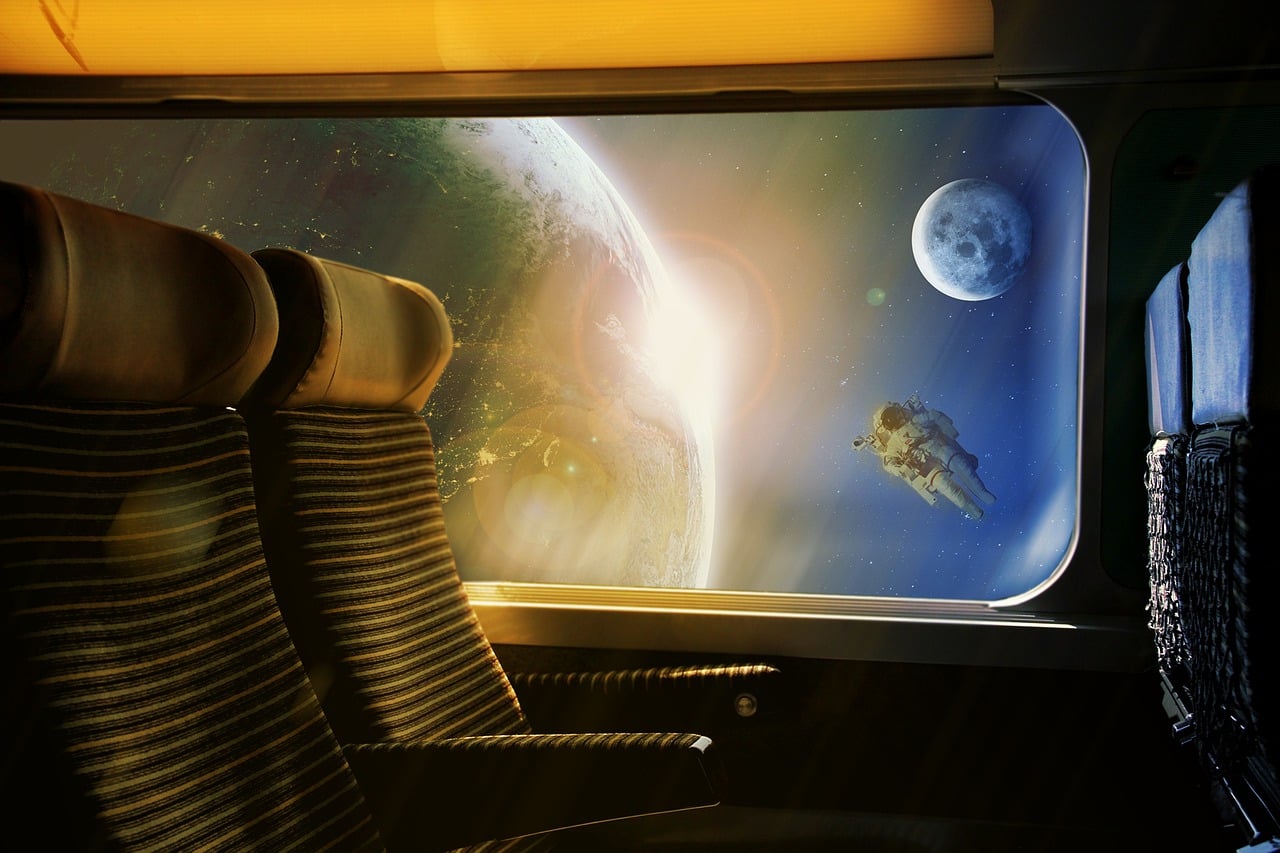
Are you fascinated by the mind-bending complexities of time travel? Look no further! We’ve compiled a list of the ten best sci-fi novels that delve into intricate paradoxes, weaving narratives that will keep you on the edge of your seat. From alternate timelines to grand adventures through time, each of these books explores the what-ifs and hows of time manipulation with gripping creativity.
Whether you are a seasoned sci-fi reader or just curious about the time travel genre, these novels promise to challenge your perception of reality and keep your imagination running wild. Grab your time machine (or a cozy chair) and dive into these unforgettable time travel tales!
1. “The Time Machine” by H.G. Wells – Best For Classic Time Travel Concepts
H.G. Wells’s groundbreaking novella sets the stage for all future time travel narratives. The Time Traveler’s journey to the distant future explores societal evolution and the consequences of technological advancement.
Key Features:
- Introduces the concept of time as the Fourth Dimension.
- Critique of Victorian society.
- A classic tale that has inspired countless adaptations.
Pros:
- Engaging narrative style.
- Thought-provoking themes.
- Short yet impactful read.
Cons:
- Outdated language for modern readers.
- Limited character development.
2. “11/22/63” by Stephen King – Best For Historical Intrigue
Stephen King masterfully intertwines a gripping narrative with the real-life tragedy of JFK’s assassination. Jake Epping’s challenge to change history leads to unexpected results, illustrating the complexities of time travel.
Key Features:
- Rich historical context.
- Deep character exploration.
- Explores the “butterfly effect” in time travel.
Pros:
- Compelling storytelling.
- Well-researched history.
- Emotionally resonant plot.
Cons:
- Lengthy at over 800 pages.
- Some may find pacing slow in parts.
3. “The First Fifteen Lives of Harry August” by Claire North – Best For Unique Rebirth Concept
This novel reinvents the concept of time travel through the lens of reincarnation. Harry August relives his life multiple times, retaining memories and knowledge to influence future outcomes, raising questions about fate and free will.
Key Features:
- Original narrative structure.
- Engaging philosophical discussions.
- Strong character dynamics.
Pros:
- Intriguing plot twists.
- Thought-provoking themes.
- Well-crafted world-building.
Cons:
- Complex timeline can confuse some readers.
- Slow start before action escalates.
4. “Kindred” by Octavia Butler – Best For Blending History with Sci-Fi
In this compelling novel, Dana, an African American woman, is transported back to 19th-century Maryland, where she confronts the harsh realities of slavery. Butler’s exploration of race, identity, and time travel creates a poignant narrative.
Key Features:
- combines science fiction with historical context.
- Addresses themes of race and gender.
- Character-driven storytelling.
Pros:
- Powerful emotional depth.
- Unique perspective on history.
- Engaging prose.
Cons:
- Some scenes may be distressing for sensitive readers.
- Complex themes may require contemplation.
5. “The Time Traveler’s Wife” by Audrey Niffenegger – Best For Emotional Depth
This romantic sci-fi novel offers a unique twist on time travel by exploring the tumultuous love story between Henry and Clare, whose relationship is constantly disrupted by his involuntary time traveling, challenging the nature of love and destiny.
Key Features:
- Distinct narrative style with dual perspectives.
- Intense emotional connection between characters.
- Explores the impact of time on relationships.
Pros:
- Beautifully written prose.
- Complex characters.
- Engaging and poignant.
Cons:
- May not appeal to readers seeking straightforward sci-fi.
- Some plot points may frustrate readers.
6. “Slaughterhouse-Five” by Kurt Vonnegut – Best For Anti-War Commentary
This classic novel tells the story of Billy Pilgrim, who becomes “unstuck in time” and experiences moments from his life, including his time as a soldier during World War II. Vonnegut’s work is acclaimed for its sharp critique of war and fate.
Key Features:
- Non-linear narrative style.
- Rich use of satire and dark humor.
- Reflects on trauma and memory.
Pros:
- Innovative storytelling.
- Thought-provoking messages.
- Iconic status in literature.
Cons:
- May confuse readers unfamiliar with the style.
- Not for those looking for a traditional plot structure.
7. “All Our Wrong Todays” by Elan Mastai – Best For A Light-hearted Take
This novel presents a futuristic utopia that collides with reality when Tom Barren travels back in time to fix his mistakes. It blends humor with a serious look at the consequences of time travel and choices.
Key Features:
- Engaging and humorous narrative.
- Explores themes of choice and consequence.
- Inventive take on alternate realities.
Pros:
- Quick and entertaining read.
- Feels relatable despite sci-fi elements.
- Strong character relationships.
Cons:
- Humor may not resonate with all readers.
- Some plot twists might feel predictable.
8. “Time Salvager” by Wesley Chu – Best For Action and Adventure
In a world where time travel is both lucrative and dangerous, James Griffin-Mars must reclaim resources from the past while avoiding the consequences of time disruptions. This book is perfect for fans of fast-paced action and intricate plots.
Key Features:
- Intense and gripping action sequences.
- Well-developed world-building.
- Explores the ethics of time travel.
Pros:
- Thrilling and suspenseful.
- Strong character development.
- Unique blend of sci-fi and adventure.
Cons:
- May have overly complex science for some readers.
- Fast pace may leave little time for character reflection.
9. “Replay” by Ken Grimwood – Best For Life Re-Examination
This novel follows Jeff Winston, who relives his life multiple times, making different choices each round. This cyclical journey prompts deep reflections on life’s potential and the impact of decisions.
Key Features:
- Unique exploration of life choices.
- Thoughtful and philosophical insights.
- Emotional resonance throughout the narrative.
Pros:
- Engaging concept and execution.
- Strong emotional impact.
- Relatable themes.
Cons:
- Some readers may find the ending unsatisfactory.
- Pacing issues in the middle sections.
10. “Timequake” by Kurt Vonnegut – Best For Philosophical Inquiry
This meta-narrative explores a timequake that forces humanity to relive the same actions over and over, raising philosophical questions about free will, fate, and the nature of existence.
Key Features:
- Innovative storytelling approach.
- Engages with deep philosophical themes.
- Blend of fiction and autobiography.
Pros:
- Thought-provoking and unique.
- Witty and humorous prose.
- Memorable characters.
Cons:
- May be confusing to those unfamiliar with Vonnegut’s work.
- Less narrative structure than traditional novels.
How to Choose the Right Time Travel Novel
When selecting a time travel novel, consider what you enjoy most: Do you prefer action-packed adventures, deep emotional connections, or philosophical explorations? Look for books that match your interests in character development and themes. Also, consider whether you enjoy classic literature or contemporary takes. Most importantly, choose one that resonates with your curiosity about time and the twisting narratives that come with it!
#TimeTravel #SciFiBooks #BookRecommendations #ComplexParadoxes #ReadingList