
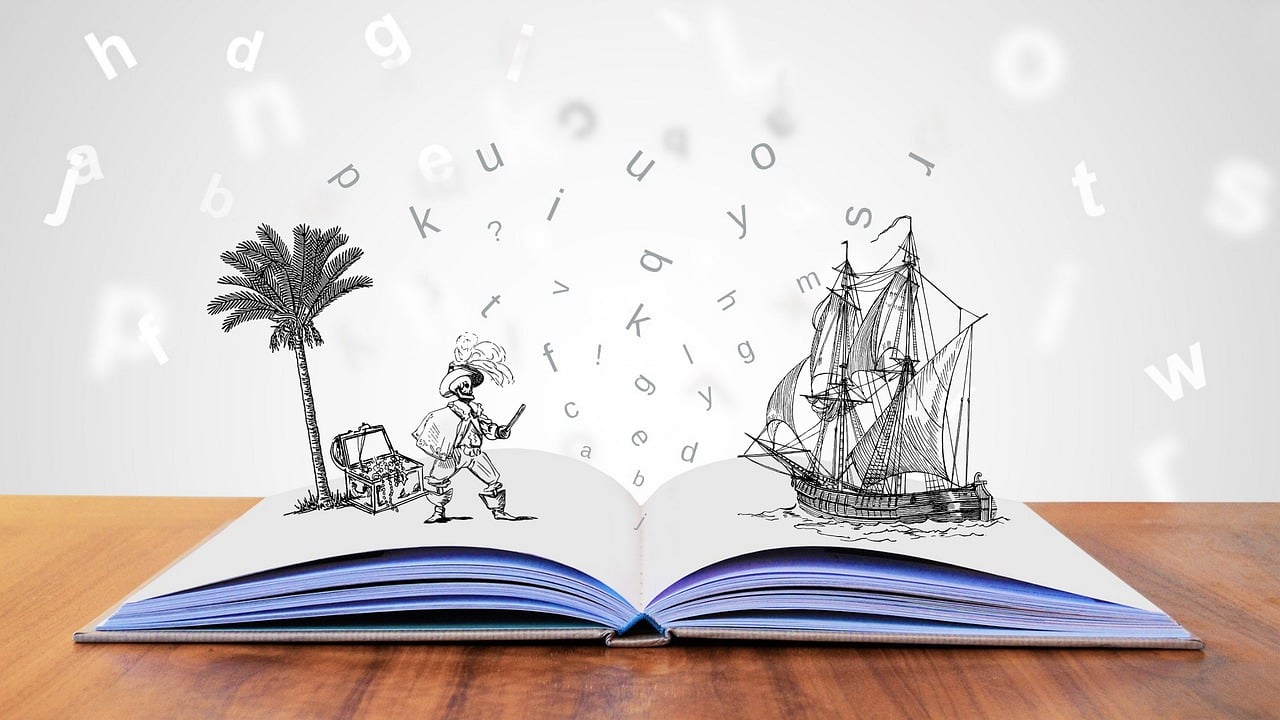
Are you looking to enhance your storytelling skills while diving into the art of narrative? Whether you’re a writer, artist, or simply a lover of stories, understanding traditional storytelling techniques is vital. These carefully curated books will not only teach you the craft but also inspire your creative journey.
In this list, we’ve compiled the top 10 traditional storytelling technique and art books that offer invaluable insights and practical strategies. Get ready to unlock the art of storytelling and elevate your work to new heights!
1. The Hero with a Thousand Faces by Joseph Campbell – Best For Understanding Universal Archetypes
This classic book introduces the concept of the Hero’s Journey, a blueprint for storytelling that resonates across cultures. Campbell’s insights help writers understand the underlying patterns in myths and stories.
Key Features:
- Explores the universal theme of the Hero’s Journey.
- Analyses various myths from different cultures.
- Offers a framework for crafting powerful narratives.
Pros:
- Timeless insights into storytelling.
- Inspires creativity and originality.
- Useful for both writers and artists.
Cons:
- Some concepts may feel dated.
- Not a hands-on guide for beginners.
2. Story by Robert McKee – Best For Screenwriters and Narrative Designers
A must-read for anyone involved in screenwriting, this book delineates the essential elements of storytelling with clarity and precision. McKee emphasizes the importance of structure and character development.
Key Features:
- Detailed breakdown of story structure.
- Real-world examples from classic films.
- Practical tips for refining your scriptwriting.
Pros:
- Accessible and engaging writing style.
- Insights applicable to various storytelling mediums.
- Includes practical exercises.
Cons:
- More focused on film than other storytelling forms.
- Heavy emphasis on industry standards.
3. The Anatomy of Story by John Truby – Best For Comprehensive Story Development
Truby’s holistic approach integrates character, plot, and theme into a cohesive storytelling process. This book is perfect for those looking to deepen their understanding of story construction.
Key Features:
- Focuses on the interconnectedness of story elements.
- Includes 22-step story structure method.
- Comprehensive glossaries of plot devices.
Pros:
- Detailed and thorough explanations.
- Applicable to all storytelling formats.
- Encourages creativity and personal expression.
Cons:
- Can be quite dense for beginners.
- Requires time to digest fully.
4. The Writing Life by Annie Dillard – Best For Inspiration and Reflection
This beautiful memoir reflects on the art and dedication of writing. Dillard shares her personal struggles and triumphs, making it a poignant read full of insights for aspiring writers.
Key Features:
- Exploration of the emotional journey of a writer.
- Poetic prose that ignites passion for storytelling.
- Insights into the discipline of writing.
Pros:
- Inspiring and beautifully written.
- Encourages self-reflection and growth.
- Timeless wisdom applicable to all forms of writing.
Cons:
- Not a traditional how-to book.
- May resonate more with introspective readers.
5. The Writer’s Journey by Christopher Vogler – Best For Crafting Compelling Characters
Vogler translates Campbell’s theories into practical guidelines for writing fiction. This book is a favorite among screenwriters and novelists alike for its clear approach to character arcs.
Key Features:
- Illustrates the journey of characters through archetypes.
- Comprehensive breakdown of storytelling elements.
- Includes real-world storytelling examples.
Pros:
- User-friendly format with helpful diagrams.
- Bridging theory and practice effectively.
- Often used in writing courses worldwide.
Cons:
- May lack depth for advanced writers.
- Focuses heavily on archetypes, which may feel limiting.
6. The Art of Storytelling by John D. Walsh – Best For Storytelling Techniques in Oral Traditions
This book delves into the rich tradition of oral storytelling, providing techniques and insights for both beginner and seasoned storytellers. Walsh emphasizes the connection between speaker and audience.
Key Features:
- Practical storytelling techniques.
- Emphasizes interaction and engagement.
- Insights into the art of performance.
Pros:
- Accessible for speakers of all experience levels.
- Engaging and practical exercises.
- Celebrates the art of verbal storytelling.
Cons:
- Less focus on written storytelling techniques.
- Some may find performance tips less relevant.
7. Writing Down the Bones by Natalie Goldberg – Best For Creativity and Flow
This seminal book merges writing techniques with Zen principles, encouraging writers to free their creativity. Goldberg’s advice helps remove mental blocks and foster a lively writing practice.
Key Features:
- Combines writing exercises with mindfulness practices.
- Focuses on the importance of the writing process.
- Encourages spontaneity and playfulness in writing.
Pros:
- Refreshingly informal and motivational tone.
- Great for overcoming creative barriers.
- Accessible to anyone seeking to write.
Cons:
- Not a structured writing manual.
- May not suit traditionalists seeking strict rules.
8. The Elements of Story by Francis Flaherty – Best For Teaching Storytelling Fundamentals
This book is an excellent resource for educators and aspiring writers, outlining the essential components of storytelling in an easily digestible format. Flaherty’s approach is both practical and engaging.
Key Features:
- Breakdown of fundamental storytelling elements.
- Includes relatable exercises and examples.
- Focuses on clarity and effectiveness in storytelling.
Pros:
- Ideal for teaching both students and adults.
- Organized and intuitive layout.
- Encourages hands-on learning.
Cons:
- May feel basic for experienced writers.
- Lacks in-depth exploration of complex themes.
9. The Story Grid by Shawn Coyne – Best For Structuring Manuscripts
Coyne offers a unique approach to analyzing and structuring stories through the lens of a “story grid,” making it easy for writers to dissect their own work and others. This practical guide is a gem for serious writers.
Key Features:
- Introduces a method for analyzing and improving stories.
- Includes case studies from various genres.
- Focuses on clarity and coherence in narrative.
Pros:
- Hands-on approach that’s easy to apply.
- Helpful for both new and seasoned authors.
- Integrates structure with creativity.
Cons:
- Less effective for writers without a foundational understanding of storytelling.
- May require additional resources for clarity.
10. Bird by Bird by Anne Lamott – Best For Finding Your Writing Voice
This humorous and heartfelt guide to writing offers personal anecdotes and practical advice. Lamott emphasizes the importance of nurturing your unique voice while navigating the challenges of writing.
Key Features:
- Engaging personal stories of writing struggle.
- Encourages finding one’s individual style.
- Practical tips alongside philosophical insights.
Pros:
- Relatable and witty writing style.
- Offers valuable encouragement and support.
- Applicable to all types of writing.
Cons:
- May resonate more with creative writers than technical ones.
- Lacks a structured approach to storytelling.
How to Choose the Right Book for You
When selecting the best traditional storytelling technique and art book, consider your primary goal: Are you looking to understand deep storytelling structures, or are you seeking inspiration? Reflect on your preferred learning style—whether you enjoy practical exercises, narrative insights, or theoretical frameworks—and choose a book that best suits your needs. Happy reading!
#Storytelling #CreativeWriting #WritingTips #NarrativeArts #BookRecommendations #WritersOfPinterest #ArtOfStorytelling #AuthorResources