
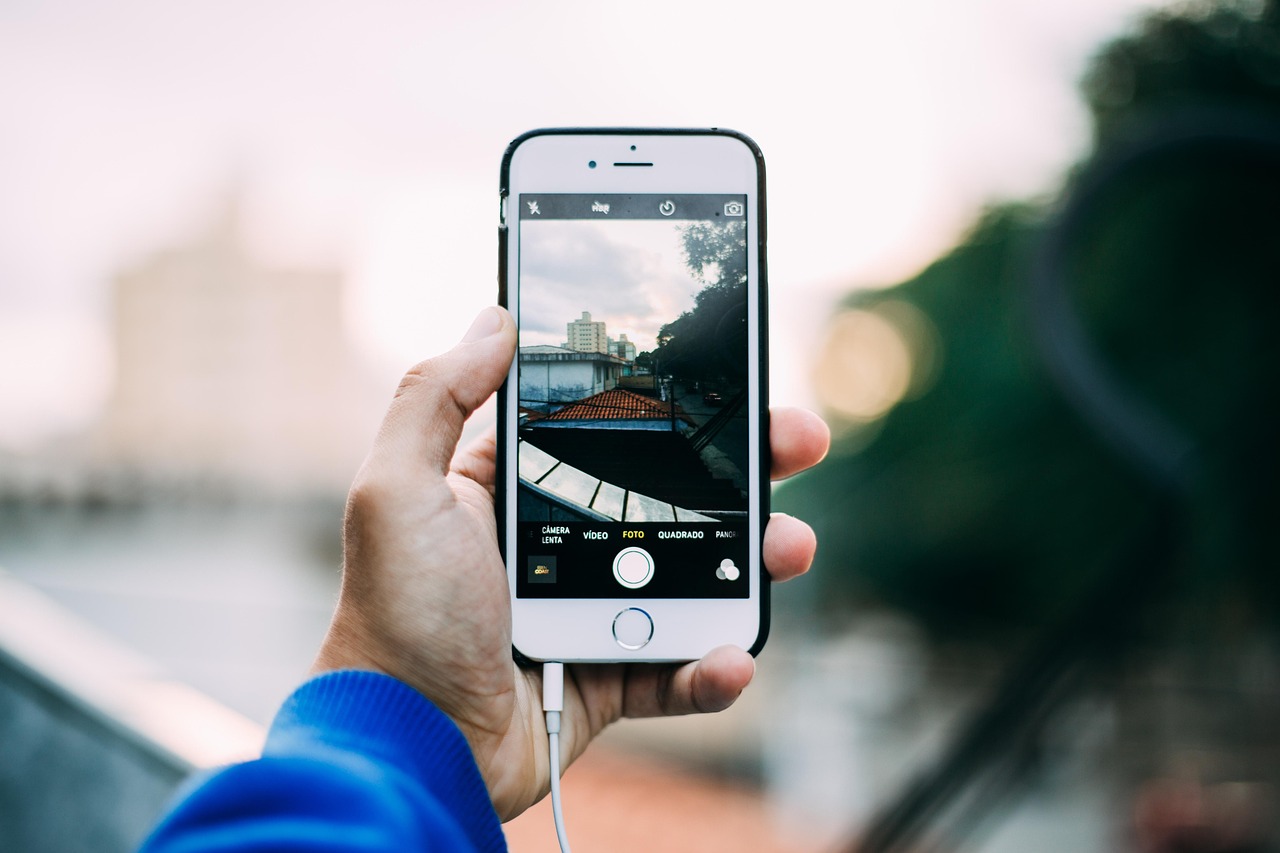
Travel photography is all about capturing the essence of a place and its people. Whether you’re on a jungle trek or exploring vibrant city streets, the right composition can elevate your photos from ordinary to extraordinary. But how do you master those crucial composition techniques as a beginner? Fear not, as we’ve compiled a list of essential tips to help you take breathtaking travel photos!
From the rule of thirds to leading lines, these tips will transform your photography skills and enhance your travel memories. Ready to take your shots from boring to breathtaking? Let’s dive into these ten composition techniques!
1. Master the Rule of Thirds – Best For Balanced Images
The rule of thirds is a fundamental principle in photography that helps create balanced and engaging images. By dividing your frame into a 3×3 grid, you can position key elements along the grid lines or at their intersections for a more dynamic composition.
Key Features:
- Frames divided into thirds for dynamic balance.
- Encourages strategic placement of subjects.
- Transforms static images into dynamic visuals.
Pros:
- Enhances visual interest.
- Easy to apply for beginners.
- Helps with the focus of the viewer’s eye.
Cons:
- Can be overused.
- Not ideal for every composition style.
2. Utilize Leading Lines – Best For Guiding the Viewer
Leading lines draw the viewer’s eye into the photo, creating depth and perspective. Look for roads, pathways, or rivers that naturally lead to your subject or horizon to make your photos more engaging.
Key Features:
- Directs the viewer’s gaze.
- Adds depth and dimension.
- Encourages exploration within the image.
Pros:
- Creates natural flow.
- Enhances storytelling.
- Works well with landscapes.
Cons:
- May not suit all subjects.
- Requires careful planning.
3. Consider the Framing – Best For Contextual Importance
Framing your subject can help to isolate it from the background and highlight its importance. Use natural elements like branches, doorways, or arches to frame your subject and create a sense of intimacy.
Key Features:
- Isolates the main subject.
- Creates layers in the image.
- Adds context to the subject’s surroundings.
Pros:
- Enhances subject focus.
- Increases aesthetic appeal.
- Provides a unique viewpoint.
Cons:
- Can be limiting if overdone.
- Requires an eye for detail.
4. Play with Perspective – Best For Unique Angles
Changing your perspective can drastically alter the story your photograph tells. Experiment with shooting from a low angle or high vantage point to create striking images that stand out.
Key Features:
- Introduces fresh viewpoints.
- Changes the perception of size.
- Captures unusual details.
Pros:
- Promotes creativity.
- Can convey emotions effectively.
- Offers a new take on familiar scenes.
Cons:
- May require more effort.
- Risk of awkward framing.
5. Incorporate the Foreground – Best For Depth
Including a foreground element can add depth to your travel photos, making them feel more immersive. Find interesting objects or textures to include in the foreground, drawing the eye inward to your main subject.
Key Features:
- Enhances spatial relationships in the image.
- Creates a sense of dimension.
- Adds layers of interest to the scene.
Pros:
- Increases visual depth.
- Captivates viewers’ attention.
- Enhances storytelling opportunities.
Cons:
- Can clutter the image if not chosen wisely.
- Requires thoughtful composition.
6. Capture Patterns and Textures – Best For Added Interest
Patterns and textures can give your photos a unique touch, drawing viewers in with their complexity. Look for repeating shapes, architectural features, or natural textures like waves and rocks during your travels.
Key Features:
- Visually stimulating elements.
- Adds character to images.
- Focus on details ignored by the casual eye.
Pros:
- Captivates and engages viewers.
- Allows for artistic expression.
- Rich in storytelling potential.
Cons:
- May confuse the subject focus.
- Requires careful observation.
7. Utilize Natural Light – Best For Mood Setting
Natural light can dramatically affect the mood of your travel photos. Shoot during golden hours—shortly after sunrise or before sunset—to take advantage of soft, warm lighting that enhances your images.
Key Features:
- Enhances color and detail.
- Creates beautiful shadows and highlights.
- Promotes a natural look.
Pros:
- Best for flattering portraits.
- Evokes emotions.
- Minimizes the need for editing.
Cons:
- Dependent on weather conditions.
- Limited shooting times.
8. Experiment with Symmetry – Best For Clean Compositions
Symmetry can bring harmony to your travel photos, creating visually striking images. Find symmetrical elements in architecture, landscapes, or reflections to create a balanced composition.
Key Features:
- Offers visually-pleasing balance.
- Creates captivating focal points.
- Encourages a sense of order.
Pros:
- Immediate visual impact.
- Appeals to human aesthetic sensibilities.
- Adds elegance to compositions.
Cons:
- May appear rigid.
- Can limit creativity.
9. Showcase Movement – Best For Dynamic Shots
Incorporating movement into your travel photography can convey emotion and energy. Experiment with longer exposure times to capture motion blur or freeze fast action for impactful storytelling.
Key Features:
- Brings photos to life.
- Highlights the experience of travel.
- Conveys a sense of journey.
Pros:
- Creates dynamic images.
- Captures fleeting moments.
- Enhances storytelling depth.
Cons:
- Requires technical skill.
- Can be challenging to master.
10. Tell a Story – Best For Evocative Images
Each photograph has the potential to tell a story. Think about the narrative you want to convey through your images, capturing moments, emotions, and contexts that highlight the culture and environment of your travel destination.
Key Features:
- Evokes emotions and connections.
- Engages the audience.
- Creates meaningful memories.
Pros:
- Offers deeper meaning.
- Attracts viewer curiosity.
- Enhances appreciation of the moment.
Cons:
- Potential for ambiguity.
- May require deeper thought.
How to Choose the Right Composition Techniques
Choosing the right composition technique requires understanding your subject and the story you want to tell. Experiment with different techniques to see which resonates best with your style and enhances your imagery. Practice, evaluate, and adjust your approaches until you find the perfect composition strategy for each travel adventure!
#TravelPhotography #PhotographyTips #CompositionTechniques #BeginnerPhotography #PhotoInspiration #CreateArt #Wanderlust #CaptureTheMoment