
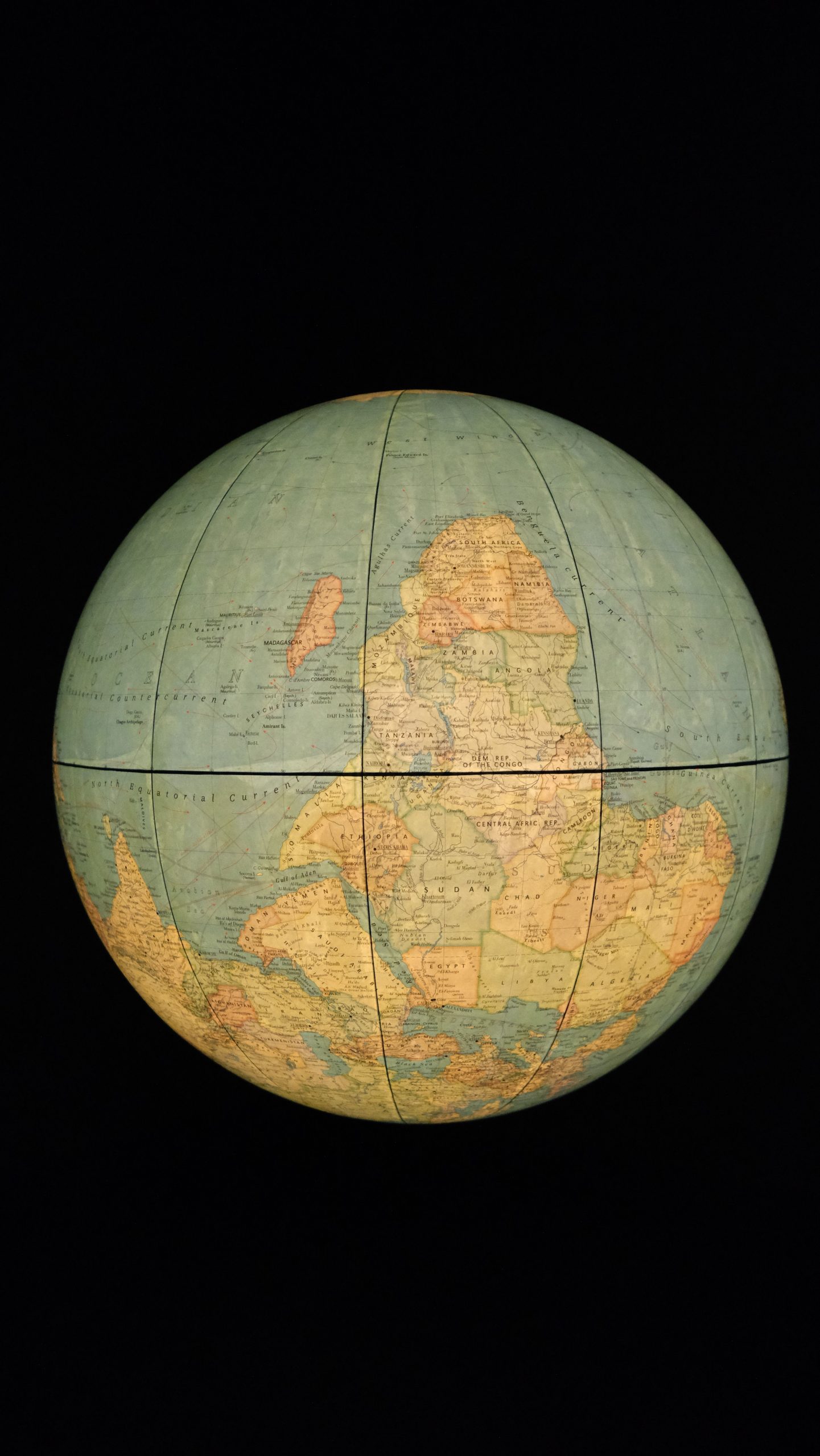
Geopolitical shifts are happening all around us, and staying informed can feel overwhelming. With rapidly changing landscapes in politics, economics, and social movements, how can you keep up?
Fear not! This list will guide you through some of the best methods to understand and interpret these shifts, helping you make sense of the complex world we live in.
1. Follow Insightful News Outlets – Best For Real-Time Information
Staying updated with reliable news sources is crucial for understanding modern geopolitical changes. Look for outlets that provide in-depth analysis rather than just headlines.
Key Features:
- Real-time updates on current events
- Expert opinions and analysis
- Access to in-depth articles and reports
Pros:
- Immediate awareness of global events
- Diverse range of perspectives
- Ability to follow trends
Cons:
- Information overload
- Potential bias in reporting
- Requires critical reading skills
2. Read Books by Geopolitical Experts – Best For In-Depth Knowledge
Books provide comprehensive insights that help you grasp the intricacies of geopolitical issues. Authors like Zbigniew Brzezinski or Fareed Zakaria offer invaluable critiques and frameworks.
Key Features:
- Thorough exploration of topics
- Historical context and analysis
- Authoritative sources
Pros:
- Deep understanding of concepts
- Multiple viewpoints
- Lasting reference material
Cons:
- Time-consuming to read
- May require background knowledge
- Cost of books can add up
3. Attend Seminars and Webinars – Best For Interactive Learning
Participating in seminars and webinars can enhance your understanding through direct interaction with experts and peers. These opportunities often include debates and Q&A sessions.
Key Features:
- Engagement with industry leaders
- Access to cutting-edge research
- Networking opportunities
Pros:
- Immediate feedback and discussion
- Contemporary topics covered
- Build connections with like-minded individuals
Cons:
- Availability may be limited
- Time zone differences for global events
- Potential technical issues
4. Engage with Think Tanks – Best For Informed Insights
Think tanks produce a wealth of research that analyzes geopolitical trends. Engage with their reports to understand implications and future projections.
Key Features:
- Data-driven research publication
- Policy recommendations
- Global focus on various issues
Pros:
- Access to expert opinions
- Evidence-based assessments
- Regular updates on critical topics
Cons:
- Some reports may be technical
- Potential organizational bias
- Can be resource-intensive to follow
5. Listen to Geopolitical Podcasts – Best For Learning on-the-Go
Podcasts have exploded in popularity and are a fantastic way to absorb information during commutes or leisure time. Look for series dedicated to global affairs.
Key Features:
- Convenient audio format
- Diverse voices and opinions
- Current affairs discussions
Pros:
- Accessible anytime, anywhere
- Engaging and often entertaining
- Quick summaries of complex topics
Cons:
- May lack in-depth analysis
- Audio quality can vary
- Requires reliable internet access
6. Join Online Forums and Discussion Groups – Best For Community Perspectives
Engaging in online forums allows you to exchange ideas with others who are passionate about geopolitics. It provides various perspectives that enrich your understanding.
Key Features:
- Community discussion opportunities
- Diverse insights and backgrounds
- Real-time debates on current issues
Pros:
- Interactive and dynamic learning
- Access to a variety of viewpoints
- Opportunities to ask questions
Cons:
- Quality of information can vary
- Potential for misinformation
- Time-consuming to monitor discussions
7. Follow Influential Political Figures on Social Media – Best For Up-to-Date Perspectives
Keeping an eye on influential political figures can provide insight into ongoing geopolitical shifts. Social media hours can offer real-time reactions and opinions.
Key Features:
- Immediate updates from key players
- Direct connection to political discourse
- Insight into public sentiments
Pros:
- Real-time engagement with topics
- Interactive dialogue opportunities
- Access to breaking news
Cons:
- Information may be biased
- Need to discern fact from opinion
- Potential for trolling and negativity
8. Watch Documentaries and Films – Best For Visual Learning
Documentaries can brilliantly showcase the nuances of geopolitical events, making complex issues more relatable and understandable through storytelling.
Key Features:
- In-depth exploration of events
- Visual and narrative engagement
- Coverage of multiple perspectives
Pros:
- Visual storytelling enhances retention
- Easy access via streaming services
- Varied formats (short films, series)
Cons:
- Potential bias from filmmakers
- Limited depth compared to books
- Availability may vary
9. Subscribe to Geopolitical Newsletters – Best For Curated Information
Staying informed is easier with curated newsletters that summarize significant events and trends in geopolitics. They save time while keeping you in the know.
Key Features:
- Regular updates straight to your inbox
- Curation of essential information
- Expert analysis included
Pros:
- Easy to consume while multitasking
- Access to reliable sources
- Tailored content based on interests
Cons:
- Risk of information overload
- Subscription fees for premium content
- Quality can vary between newsletters
10. Engage in Local Discussions on Global Issues – Best For Personal Perspective
Talking with friends and family about international events can provide personal insights and reflections that help deep your understanding. It can open up discussions and broaden worldviews.
Key Features:
- Encourages critical thinking
- Connect with community views
- Fosters personal connections to global events
Pros:
- Integration of personal experience and global context
- Word-of-mouth knowledge sharing
- Strengthens community relationships
Cons:
- May lead to echo chambers
- Quality of insights may vary widely
- Potential for heated debates
How to Choose
When selecting your preferred methods to understand geopolitical shifts, consider your learning style, available time, and the depth of information you seek. Combining multiple sources will enrich your understanding and help you gain a holistic view of the global landscape.
#Geopolitics #CurrentEvents #InternationalRelations #PoliticalAnalysis #GlobalTrends #NewsInsights #WorldPolitics