
Throughout history, remarkable biology discoveries have revolutionized medicine and transformed our understanding of human health. From groundbreaking insights into genetics to advancements in immunology, these milestones have paved the way for innovative treatments and therapies. This listicle explores eight pivotal discoveries that changed the landscape of medicine as we know it.
Join us as we dive into these incredible breakthroughs that continue to impact patient care and medical research today!
1. The Discovery of Penicillin – Best For Treating Bacterial Infections
In 1928, Alexander Fleming discovered penicillin, the first true antibiotic, which revolutionized the treatment of bacterial infections. Its introduction dramatically changed mortality rates during World War II and has saved millions of lives since.
Key Features:
- Effective against a wide range of bacteria.
- Significantly reduced deaths from infections.
- Laid the foundation for the development of other antibiotics.
Pros:
- Rapid action in fighting infections.
- Widely used and well-researched.
- Affordable and accessible.
Cons:
- Potential for antibiotic resistance.
- Allergic reactions in some individuals.
- Limited effectiveness against viral infections.
2. The Structure of DNA – Best For Genetic Understanding
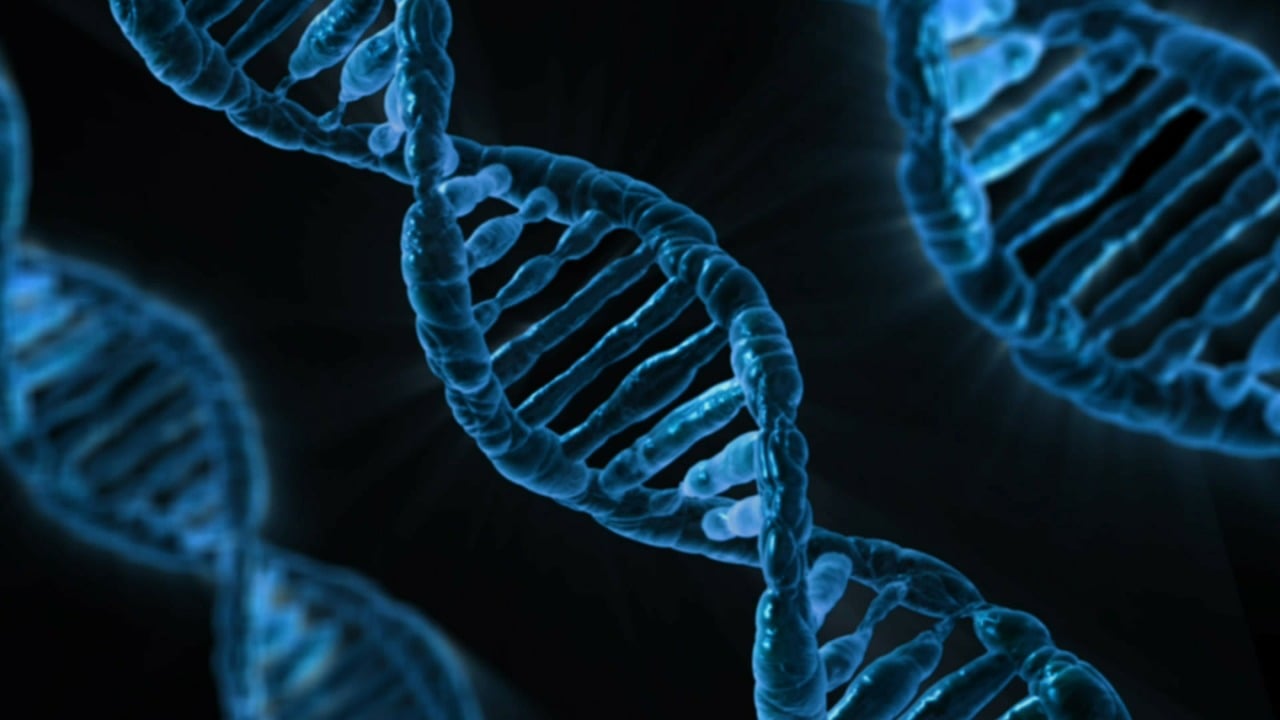
In 1953, James Watson and Francis Crick published the double helix model of DNA, which provided insights into genetic inheritance. This discovery became the foundation for modern genetics and biotechnology, influencing numerous medical fields.
Key Features:
- Explained how traits are inherited.
- Enabled genetic engineering and cloning.
- Enhanced understanding of genetic disorders.
Pros:
- Revolutionized genetic research and therapies.
- Facilitated advances in personalized medicine.
- Deepened knowledge of hereditary diseases.
Cons:
- Ethical concerns regarding genetic manipulation.
- Potential for privacy issues with genetic information.
- Complexity in understanding genetic interactions.
3. Vaccination – Best For Preventing Infectious Diseases
Vaccination has been one of the most significant medical advances since Edward Jenner’s smallpox vaccine in 1796. It has played a critical role in controlling and eradicating various infectious diseases worldwide.
Key Features:
- Stimulates immunity against specific diseases.
- Prevented pandemics and outbreaks.
- Contributed to the global eradication of smallpox.
Pros:
- Highly effective in disease prevention.
- Improves public health and herd immunity.
- Can lead to the complete eradication of diseases.
Cons:
- Vaccine hesitancy in some populations.
- Potential side effects.
- Requires ongoing research and updates.
4. The Germ Theory of Disease – Best For Understanding Infections
The germ theory, developed in the 19th century by scientists like Louis Pasteur and Robert Koch, established that microorganisms cause diseases. This theory led to improved sanitation and hygiene practices in medicine, drastically reducing infection rates.
Key Features:
- Identified pathogens as disease-causing agents.
- Influenced aseptic techniques in surgery.
- Enhanced public health policies.
Pros:
- Increased awareness about hygiene.
- Foundation for microbiological research.
- Improved healthcare outcomes and disease control.
Cons:
- Lag in acceptance from some medical practitioners.
- Overemphasis on specific pathogens.
- Complex interactions between multiple microorganisms.
5. Insulin Discovery – Best For Managing Diabetes
The discovery of insulin by Frederick Banting and Charles Best in 1921 transformed diabetes management from a fatal disease to a manageable condition. This hormone allows diabetics to regulate their blood sugar levels effectively.
Key Features:
- Essential for glucose metabolism.
- Invaluable for Type 1 diabetes management.
- Launched a new era in endocrinology.
Pros:
- Improved quality of life for diabetics.
- Continuous innovations in insulin delivery.
- Support for small-scale diabetes research.
Cons:
- Requires careful monitoring and dosage management.
- Potential for insulin resistance over time.
- Access issues in some regions.
6. The Human Microbiome – Best For Digestive Health
The revelation of the human microbiome’s role in health and disease has redefined our understanding of digestion, immunity, and mental health. This ongoing research underscores the importance of gut bacteria in overall wellness.
Key Features:
- Over 100 trillion microorganisms influence health.
- Links between gut health and various diseases.
- Insights into personalized diet and treatments.
Pros:
- Informs novel treatments for various conditions.
- Encourages a holistic approach to health.
- Promotes probiotics and nutrition-based therapies.
Cons:
- Complexity in understanding microbiome interactions.
- Ongoing research required for clear guidelines.
- Variability among individuals complicates treatment.
7. CRISPR Technology – Best For Gene Editing
CRISPR technology, discovered in the early 2010s, allows for precise editing of DNA sequences and has immense potential in treating genetic disorders. This technology has opened new frontiers in genetic research and biotechnology.
Key Features:
- Precise gene editing capabilities.
- Potential for curing genetic diseases.
- Applications in agriculture and pharmaceuticals.
Pros:
- Cost-effective and efficient gene editing.
- Wide applicability in various fields.
- Rapid advancements in research and technology.
Cons:
- Ethical concerns regarding genetic modifications.
- Long-term effects of gene editing are unknown.
- Potential for unintentional edits or consequences.
8. The Role of Immunotherapy – Best For Cancer Treatment
Immunotherapy is a groundbreaking treatment strategy that harnesses the body’s immune system to fight cancer. This approach has shown significant success in treating various cancers and has changed the landscape of oncology.
Key Features:
- Activates the immune response against tumors.
- Provides targeted therapy options.
- Improves survival rates and quality of life.
Pros:
- Offers hope for previously terminal diagnoses.
- Less toxic compared to traditional methods.
- Potential for durable responses against cancer.
Cons:
- Not effective for all cancer types.
- Can cause immune-related side effects.
- High costs and availability issues.
How to Choose the Right Medical Innovations
When considering medical breakthroughs, it’s essential to look at the impact they have made on patient care, their potential for improving lives, and ongoing research in the field. Evaluate innovations based on effectiveness, safety, and ease of access to ensure the best outcomes.
#BiologyDiscoveries #MedicalBreakthroughs #HealthInnovation #MedicalHistory #CancerTreatment #GeneEditing #Vaccinations #MicrobiomeResearch