
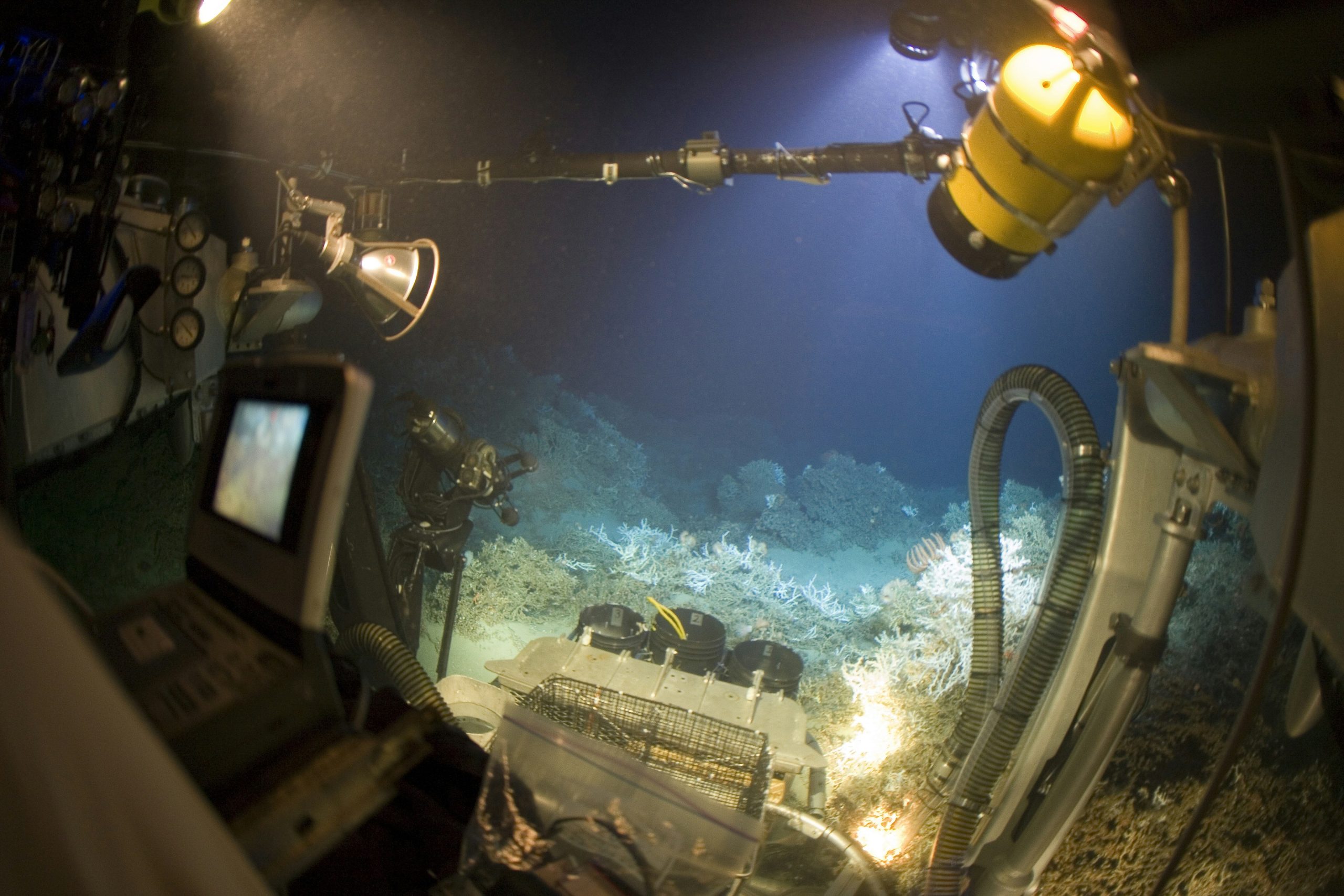
Exploring the mysterious depths of the ocean requires cutting-edge technology, and deep sea submersibles are at the forefront of oceanographic research. With advancements in engineering and design, these submersibles allow scientists to unlock the secrets of our planet’s largest habitat.
In this article, we’ll dive into the 8 best submersible technologies available today, helping you understand their unique features and what makes them crucial for ocean exploration. Get ready to discover how these remarkable tools are changing oceanography!
1. Triton 36000/2 – Best for Extreme Depth Exploration
The Triton 36000/2 is a groundbreaking submersible that can reach depths of 11,000 meters. Designed for scientific research, it allows researchers to study the deepest parts of the ocean, including hadal zones.
Key Features:
- Capacity for two passengers and one pilot.
- Integrated with state-of-the-art imaging technology.
- Extreme depth rating of 36,000 feet.
Pros:
- Unmatched depth capabilities.
- High-quality optical systems for detailed imaging.
- Robust safety features.
Cons:
- High operational costs.
- Limited availability for public use.
- Requires extensive training for pilots.
2. DSV Alvin – Best for Biological Research
The DSV Alvin has been a staple of oceanographic research since the 1960s. Its primary function is to study deep-sea organisms and ecosystems, making it invaluable for biological research.
Key Features:
- Three-person capacity.
- Advanced manipulator arms for sampling.
- Depth capability of up to 4,500 meters.
Pros:
- Proven track record with successful missions.
- Versatile for various types of research.
- Customization options for scientific instruments.
Cons:
- Older technology compared to newer submersibles.
- Limited depth compared to some modern models.
- Operational availability can be restricted.
3. SeaExplorer – Best for Environmental Monitoring
The SeaExplorer submersible is specifically designed for environmental monitoring, making it ideal for studying ocean health and climate change effects on marine ecosystems.
Key Features:
- Depth rating of 3,500 meters.
- Modular design for various scientific applications.
- Real-time data transmission capabilities.
Pros:
- Excellent for long-term environmental studies.
- Compact and efficient design.
- Customizable sensors for specific research needs.
Cons:
- Smaller depth range than some competitors.
- Less suitable for extreme diving missions.
- High initial costs for setup.
4. Ocean Infinity’s Blue Pod – Best for Autonomous Exploration
The Blue Pod is an innovative autonomous underwater vehicle (AUV) that can operate without a crew, making it perfect for remote ocean areas and hazardous environments.
Key Features:
- Autonomous operation with real-time data collection.
- Highly maneuverable design.
- Equipped with cutting-edge sonar technology.
Pros:
- Limits need for human presence in dangerous areas.
- Cost-effective for lengthy missions.
- Fast deployment and retrieval.
Cons:
- Limited operational time due to battery life.
- Requires complex programming and monitoring.
- Less effective in strong currents.
5. Kongsberg Hugin AUV – Best for Detailed Mapping
The Kongsberg Hugin is renowned for its mapping capabilities, making it a favorite among researchers focused on ocean floor surveying and geological studies.
Key Features:
- High-resolution imaging and mapping tools.
- Depth capability of up to 6,000 meters.
- Long endurance with advanced navigation systems.
Pros:
- Advanced sonar and imaging capabilities.
- Excellent data accuracy and reliability.
- Versatile for various types of marine studies.
Cons:
- High price point for acquisition and maintenance.
- Training required for operators.
- Limited handling of real-time data processing.
6. Remotely Operated Vehicle (ROV) Jason – Best for Deep Sea Sampling
Jason is a powerful ROV known for its sampling equipment that allows it to collect geological and biological samples from the sea floor efficiently.
Key Features:
- Depth capability of 3,000 meters.
- Equipped with robotic arms for sample collection.
- High-resolution cameras for real-time observation.
Pros:
- Excellent for targeted sampling missions.
- Can operate in challenging environments.
- Versatile instrumentation for various research needs.
Cons:
- Limited to tethered operation, requiring a support ship.
- Operational constraints in strong currents.
- Dependency on surface control for missions.
7. Schmidt Ocean Institute’s ROV SuBastian – Best for Advanced Research
SuBastian is a state-of-the-art ROV that combines advanced technology with powerful research capabilities, allowing scientists to conduct detailed studies of deep-sea ecosystems.
Key Features:
- Depth capabilities up to 4,500 meters.
- High-definition video and imaging systems.
- Adaptive design for various scientific tasks.
Pros:
- Can accommodate a wide range of scientific equipment.
- Exceptional data collection and real-time reporting.
- Highly maneuverable and responsive.
Cons:
- Requires complex setup and operation.
- Operational costs can be significant.
- Limited availability for non-affiliated researchers.
8. Autonomous AUV DriX – Best for Hydrographic Surveys
DriX is an advanced AUV designed specifically for hydrographic surveying, making it perfect for mapping and managing ocean resources.
Key Features:
- Innovative catamaran design for stability.
- Highly efficient propulsion and battery systems.
- Equipped with advanced navigation tools and sensors.
Pros:
- Excellent stability for precise measurements.
- Flexible deployment options.
- Good operational endurance in various sea conditions.
Cons:
- High initial investment.
- Training needed for effective operation.
- Dependent on good weather conditions for optimal performance.
How to Choose the Right Deep Sea Submersible Technology
Choose a submersible based on your research needs and goals. Consider factors like depth capability, operational costs, and specific scientific requirements. It’s important to evaluate whether you need features for sampling, mapping, or autonomous operation to find the perfect fit for your oceanographic explorations.
#DeepSeaExploration #Oceanography #Submersibles #MarineResearch #OceanTechnology #UnderwaterExploration #MarineScience