
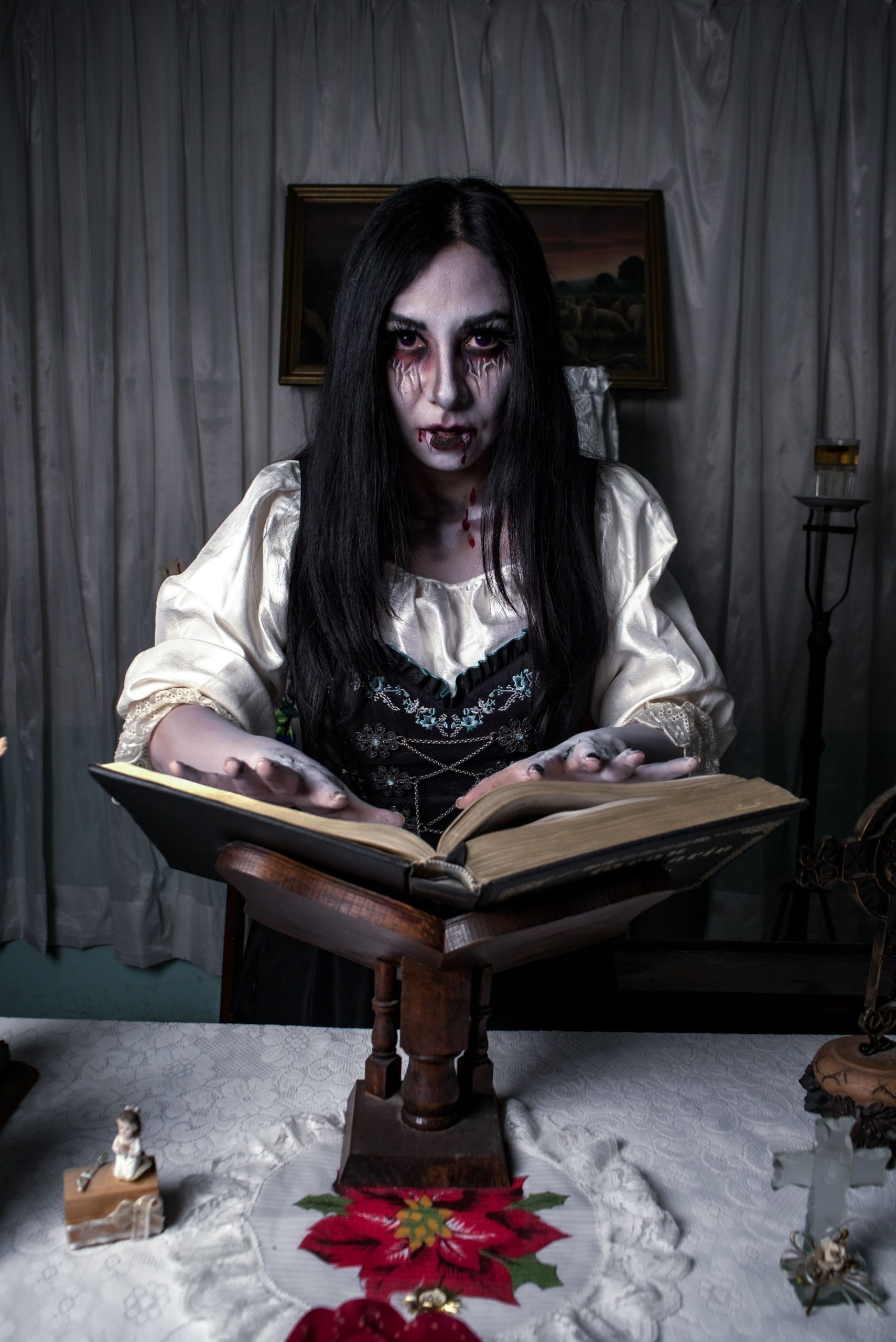
If you love the eerie charm of Gothic literature, you’re in for a treat! Vintage horror from the Victorian era has shaped the genre with its dreadful atmospheres and psychological twists. From haunted mansions to mysterious characters, these novels are filled with dark themes that will send chills down your spine.
This list explores the eight must-read Gothic classic horror novels that define the genre and continue to captivate readers. Dive into the shadows and discover tales that are as timeless as they are terrifying!
1. Frankenstein by Mary Shelley – Best For Exploring the Dark Side of Humanity
Mary Shelley’s “Frankenstein” is a cornerstone of Gothic literature that delves deep into the consequences of man’s hubris. The story of a scientist who creates life from inanimate matter raises profound ethical questions that resonate even today.
Key Features:
- A cautionary tale about the pursuit of knowledge
- Complex characters that evoke sympathy and horror
- The pioneering of the science fiction genre
Pros:
- Richly layered narrative
- Timeless themes
- Groundbreaking in its exploration of existential issues
Cons:
- Some may find the language archaic
- Lengthy philosophical passages may slow pacing
2. The Picture of Dorian Gray by Oscar Wilde – Best For Indulgence and Consequence
This novel is a fascinating exploration of vanity and moral corruption. Dorian Gray’s pursuit of pleasure leads him down a dark path, making it one of the most intriguing Gothic tales ever told.
Key Features:
- Blend of Gothic horror and philosophical contemplation
- A haunting examination of aesthetics and ethics
- Intense character study
Pros:
- Beautifully written prose
- Captivating plot twists
- Profound commentary on society
Cons:
- Some readers may find the themes disturbing
- The pacing can be uneven at times
3. The Strange Case of Dr Jekyll and Mr Hyde by Robert Louis Stevenson – Best For Duality of Man
Stevenson’s novella examines the dual nature of humanity through the characters of Dr. Jekyll and Mr. Hyde. This exploration of good versus evil makes it an essential read in Gothic horror.
Key Features:
- A gripping study of psychological horror
- Quick, engaging narrative
- Influential in pop culture and literature
Pros:
- Fast-paced and thrilling
- Thought-provoking themes
- Memorable characters
Cons:
- Limited character development
- Some find the twist predictable
4. Jane Eyre by Charlotte Brontë – Best For Strong Female Protagonists
This Gothic romance combines elements of horror with a deep sense of individuality and self-discovery. Jane Eyre’s fortitude and moral integrity shine through as she faces the challenges of love and social class.
Key Features:
- Strong Gothic atmosphere
- Rich character development
- Intertwining romance and horror
Pros:
- Empowering protagonist
- Engaging plot and themes
- Beautifully descriptive language
Cons:
- Some find it overly melodramatic
- Slow buildup in the beginning
5. Wuthering Heights by Emily Brontë – Best For Raw Emotion and Obsession
Emily Brontë’s only novel, “Wuthering Heights,” is a tale of passion and revenge. It explores the destructive nature of love in an isolated setting, making it a quintessential Gothic masterpiece.
Key Features:
- Unconventional narrative structure
- Intense themes of love and obsession
- Atmospheric setting contributing to the overall mood
Pros:
- Complex characters and relationships
- Captivating and darkly romantic
- Symbolic landscapes
Cons:
- Challenging to read at times
- Ambiguous moralities can frustrate some readers
6. The Castle of Otranto by Horace Walpole – Best For Origin of the Gothic Novel
Often cited as the first Gothic novel, Walpole’s work laid the groundwork for the genre’s conventions. With its mysterious castle and supernatural occurrences, it’s a staple for any Gothic enthusiast.
Key Features:
- The introduction of Gothic tropes
- Richly atmospheric setting
- Engaging, suspenseful plot
Pros:
- Groundbreaking for its time
- Engrossing and entertaining
- Inspires many modern Gothic works
Cons:
- Writing style may feel dated
- May lack depth in character development
7. The Turn of the Screw by Henry James – Best For Unreliable Narrators
This novella’s ambiguous narrative style challenges readers to ponder the psychological horror of its story. With a governess who may or may not be losing her sanity, it leaves a lasting impression.
Key Features:
- Masterful use of ambiguity
- Atmospheric suspense
- Exploration of the supernatural and mental instability
Pros:
- Intriguingly layered narrative
- Perfect for readers who enjoy analysis
- Short but impactful
Cons:
- Confusing for some readers
- Slow pacing in parts
8. The Mysteries of Udolpho by Ann Radcliffe – Best For Atmospheric Horror
Radcliffe’s novel features thrilling twists and a richly detailed landscape, marking it as a favorite among Gothic fans. The suspenseful elements and haunting locations make for a compelling read.
Key Features:
- Highly descriptive and immersive settings
- Strong female protagonist
- Blend of romance and thrilling suspense
Pros:
- Richly imagined world
- In-depth character development
- Emotionally engaging storyline
Cons:
- Lengthy descriptions may deter some
- Pacing can be inconsistent
How to Choose Your Next Gothic Classic Horror Novel
Deciding which Gothic classic to read next? Consider your preferred themes—whether you’re interested in psychological horror, romance, or moral dilemmas. Think about the pacing and whether you appreciate deep character studies or prefer fast-paced plots. With this guide, you’re sure to find a haunting tale that resonates with your interests!
#GothicHorror #ClassicLiterature #VictorianNovels #BookRecommendations #HorrorBooks #GothicFiction #ReadingList #LiteraryFiction