
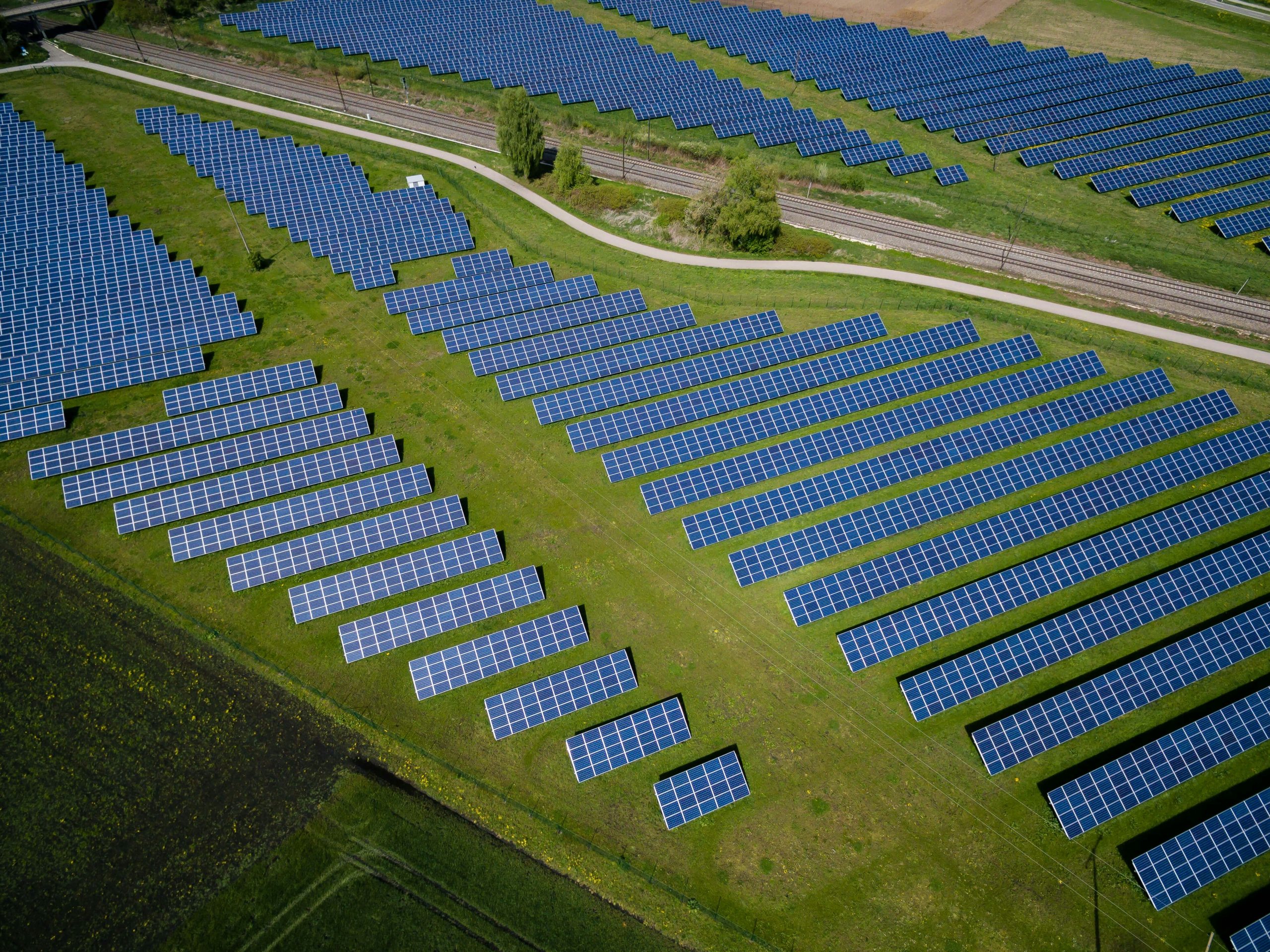
As the world shifts towards renewable energy, the need for effective grid modernization and energy storage policies has never been greater. These policies not only enhance reliability but also pave the way for a cleaner, more sustainable energy future. Discover the eight best policies that can revolutionize our energy systems, boost efficiency, and promote the integration of renewable resources.
With significant investments and strategic planning, these policies can drive innovation and bring communities closer to energy independence. Let’s dive into the best practices that can lead the transition to a more resilient grid.
1. Federal Investment Tax Credit (ITC) – Best For Encouraging Solar Energy Growth
The Federal Investment Tax Credit (ITC) has proven to be a game-changer for solar energy adoption. By providing tax credits for solar investments, it encourages homeowners and businesses to leverage renewable energy.
Key Features:
- Tax credit covering a percentage of solar installation costs
- Applicable to both residential and commercial solar systems
- Phased reduction over time, promoting early adoption
Pros:
- Significantly lowers the barrier to solar adoption
- Stimulates job creation in the solar industry
- Encourages technological advancements in solar technology
Cons:
- Gradual phase-out may deter long-term planning
- May lead to market fluctuations as credits expire
2. Renewable Portfolio Standards (RPS) – Best For Ensuring Clean Energy Usage
Renewable Portfolio Standards set mandatory targets for electricity suppliers to obtain a portion of their energy from renewable sources, ensuring a consistent push towards greener energy options.
Key Features:
- Requires utilities to obtain a specified percentage of energy from renewables
- Encourages investment in local renewable technologies
- Promotes energy diversity and grid reliability
Pros:
- Drives long-term investments in clean technology
- Improves energy security and reduces emissions
- Provides clear goals for energy transition
Cons:
- Compliance costs for utilities may be passed to consumers
- Varied state policies can create market discrepancies
3. Energy Storage Incentive Programs – Best For Enhancing Grid Stability
Energy storage incentive programs provide financial support for the installation of energy storage systems, making them more accessible to a broader audience and instrumental in balancing supply and demand.
Key Features:
- Subsidies or tax credits for purchasing storage systems
- Promotes technologies like batteries and pumped hydro storage
- Encourages energy resilience in times of peak demand
Pros:
- Improves overall grid reliability during emergencies
- Reduces reliance on fossil fuels during peak hours
- Encourages investments in innovative technologies
Cons:
- Initial costs can still be prohibitive for some users
- Long payback periods can deter investments
4. Smart Grid Technologies – Best For Enhancing Communication and Management
Smart grid technologies utilize advanced communications and control technologies to enhance the management of energy systems, making them more efficient and responsive to real-time demands.
Key Features:
- Advanced metering infrastructure for real-time data collection
- Automated grid management and outage detection
- Integration of distributed energy resources (DERs)
Pros:
- Boosts operational efficiency for utilities
- Enhances customer participation in energy management
- Improves outage response times and reliability
Cons:
- High implementation costs for utilities
- Cybersecurity risks with increased connectivity
5. State-Level Demand Response Programs – Best For Reducing Peak Demand
Demand response programs incentivize consumers to reduce or shift their energy usage during peak times, helping to balance supply with demand and reduce strain on the grid.
Key Features:
- Financial incentives for reduced energy usage during peak hours
- Encourages peak load reduction through smart technologies
- Supports grid stability and lowers energy costs
Pros:
- Enhances grid resilience and reliability
- Helps avoid expensive infrastructure expansions
- Engages and educates consumers about energy usage
Cons:
- Requires consumer participation and can be complex
- Potentially uneven savings across different demographics
6. Energy Efficiency Resource Standards (EERS) – Best For Promoting Energy Conservation
EERS establish energy savings targets for utilities, motivating them to invest in energy efficiency measures and programs that benefit consumers and the environment alike.
Key Features:
- Mandates specific energy savings goals for utilities
- Encourages investment in energy-saving technologies
- Improves the overall efficiency of the energy system
Pros:
- Reduces overall energy consumption and greenhouse gas emissions
- Lowers long-term energy costs for consumers
- Supports job creation in energy efficiency sectors
Cons:
- Utility costs may rise to meet standards
- Compliance monitoring can be resource-intensive
7. Community Solar Programs – Best For Expanding Access to Renewable Energy
Community solar programs allow multiple households to share the benefits of a single solar project, making renewable energy access more attainable for those who cannot install their own systems.
Key Features:
- Allows participants to subscribe to a solar project
- Provides cost savings on electricity bills
- Promotes community engagement and local energy production
Pros:
- Increases renewable energy adoption among renters and low-income families
- Provides flexibility in investment amounts
- Boosts local economies through job creation
Cons:
- Limited availability of projects in certain regions
- Subscription fees may deter participation
8. Net Metering Policies – Best For Fair Compensation of Renewable Energy
Net metering policies allow homeowners with renewable energy systems to sell excess electricity back to the grid, providing a fair compensation mechanism that encourages further investments in renewable energy.
Key Features:
- Credits for excess power sent back to the grid
- Encourages installation of residential solar panels
- Promotes sustainable energy use in communities
Pros:
- Offers a financial incentive for renewable energy adoption
- Reduces electric bills and improves ROI for systems
- Supports integration of distributed energy resources
Cons:
- Impact on utility revenues can raise concerns
- Policies vary significantly between states, creating inconsistencies
How to Choose the Right Policy for Your Needs
When considering which grid modernization and energy storage policy is best for your community or organization, evaluate your specific energy needs, budget constraints, and long-term sustainability goals. Understanding local energy demand and resources can help tailor the most impactful approach for your unique circumstances.
#GridModernization #EnergyStorage #RenewableEnergy #Sustainability #SmartGrid #EnergyEfficiency #CommunitySolar #CleanEnergy