
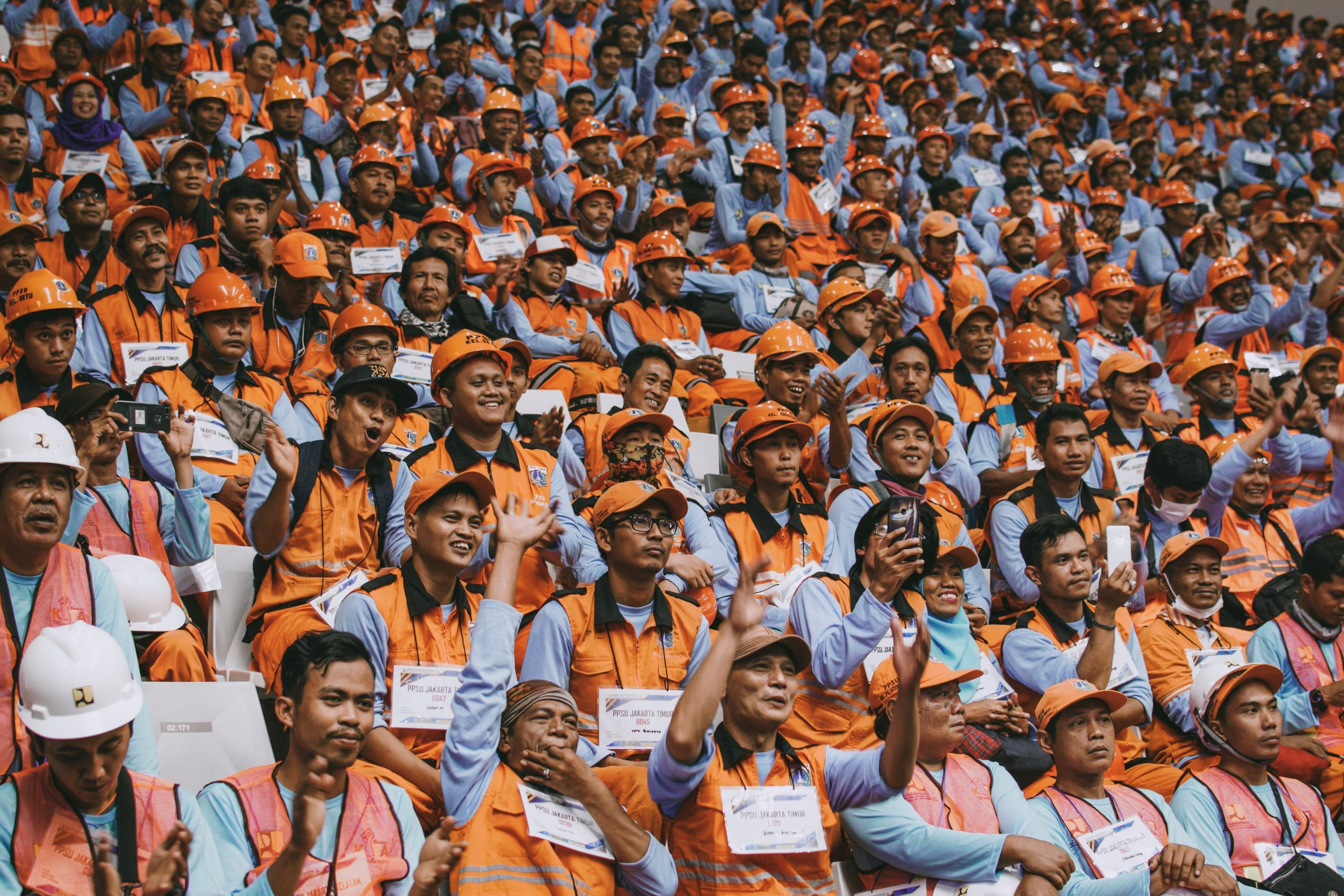
Labor exploitation remains a pressing issue worldwide, affecting millions of workers across various industries. To combat these injustices, effective prevention and enforcement policies are essential. This article highlights the eight best policies aimed at preventing labor exploitation and ensuring enforcement, providing insights that can lead to a fairer working environment.
From enhancing labor rights to improving inspection systems, these policies are designed to create a safer and more equitable landscape for workers. Let’s explore the best strategies currently in place!
1. The Minimum Wage Law – Best For Ensuring Fair Earnings
The Minimum Wage Law sets the lowest legal earnings that workers can receive, making it a cornerstone policy in preventing labor exploitation. This law helps to uplift workers out of poverty while promoting a fair wage for everyone’s labor.
Key Features:
- Establishes a baseline income for workers.
- Provides legal recourse for wage theft.
- Encourages fair compensation across sectors.
Pros:
- Reduces poverty levels among workers.
- Promotes a more equitable labor market.
- Increases consumer spending capacity.
Cons:
- Can lead to higher unemployment rates if set excessively.
- May not account for regional cost-of-living variations.
2. Strong Labor Inspection Systems – Best For Compliance Monitoring
Robust labor inspection systems are vital for ensuring that employers comply with labor laws. Regular audits and inspections deter exploitation and promote safe working environments.
Key Features:
- Frequent checks improve workplace safety standards.
- Allows for immediate action against violations.
- Promotes accountability among employers.
Pros:
- Encourages law compliance by employers.
- Ensures workers’ rights are upheld.
- Reduces workplace accidents and hazards.
Cons:
- Involves significant government resources.
- May face resistance from businesses.
3. Whistleblower Protections – Best For Encouraging Reporting
Whistleblower protection policies ensure that employees can report violations without fear of retaliation. This measure empowers workers to speak out against labor exploitation.
Key Features:
- Safeguards against workplace retaliation.
- Provides legal protection for whistleblowers.
- Enhances transparency in labor practices.
Pros:
- Encourages reporting of unethical practices.
- Promotes a culture of accountability.
- Helpful in uncovering systemic violations.
Cons:
- Potential for misuse of the protections.
- May foster a conflictual workplace environment.
4. Worker Cooperatives – Best For Empowering Workers
Worker cooperatives are businesses owned and operated by their employees. This model eliminates exploitation by allowing workers to have a direct stake in the profits and decisions of the company.
Key Features:
- Encourages democratic decision-making.
- Distributes profits among worker-owners.
- Promotes job security and satisfaction.
Pros:
- Reduces hierarchical exploitation.
- Enhances worker satisfaction and engagement.
- Builds community-focused businesses.
Cons:
- Requires a strong commitment from all members.
- May face funding challenges compared to traditional businesses.
5. Anti-Discrimination Policies – Best For Promoting Equality
Anti-discrimination policies combat workplace inequality and foster a more inclusive environment for all employees. These policies protect against various forms of discrimination based on race, gender, age, and other factors.
Key Features:
- Establishes clear guidelines against prejudice.
- Promotes diversity and inclusion efforts.
- Facilitates equal opportunities for advancement.
Pros:
- Creates a more harmonious workplace.
- Improves overall morale and productivity.
- Enhances company reputation.
Cons:
- Implementation can be challenging without proper training.
- May require ongoing monitoring and adjustments.
6. Collective Bargaining Rights – Best For Worker Advocacy
Allowing collective bargaining gives workers a powerful voice in negotiating their wages and working conditions. This policy helps to protect workers from unfair treatment by employers.
Key Features:
- Facilitates negotiations between employers and employees.
- Strengthens workers’ negotiating power.
- Encourages improved communication between parties.
Pros:
- Provides workers with a united front.
- Leads to better wages and benefits.
- Empowers employees to advocate for their rights.
Cons:
- Can be disruptive in some industries.
- May result in prolonged disputes between parties.
7. Public Awareness Campaigns – Best For Education and Outreach
Public awareness campaigns help inform both workers and employers about labor rights and available protections. These initiatives are crucial for fostering understanding and preventing exploitation.
Key Features:
- Educates the public about labor laws.
- Increases awareness of exploitation signs.
- Promotes available resources and support services.
Pros:
- Empowers workers with knowledge.
- Encourages community involvement and support.
- Helps to change cultural attitudes towards labor rights.
Cons:
- Requires ongoing funding and commitment.
- Effectiveness can vary by region or demographic.
8. Transparent Reporting Systems – Best For Accountability
Transparent reporting systems facilitate the documentation and reporting of labor violations. These systems encourage accountability and help monitor compliance with labor laws.
Key Features:
- Provides a platform for reporting violations.
- Ensures anonymity for whistleblowers.
- Tracks complaint resolution processes.
Pros:
- Encourages reporting and reduces fear of retaliation.
- Enhances organizational transparency.
- Promotes corrective actions for violations.
Cons:
- Can be underutilized if not promoted effectively.
- Requires constant monitoring and updating.
How to Choose the Right Policy
When considering which labor exploitation prevention and enforcement policy to support or implement, evaluate the specific needs of your workforce. Factors such as industry type, worker demographics, and existing labor standards will impact the effectiveness of each policy. Collaborate with stakeholders, assess local conditions, and ensure that policies are adaptable to your community’s unique situation.
#LaborRights #WorkplaceJustice #FairWages #WorkerProtection #LaborExploitation #EmployeeRights #SocialJustice #WorkplaceSafety