
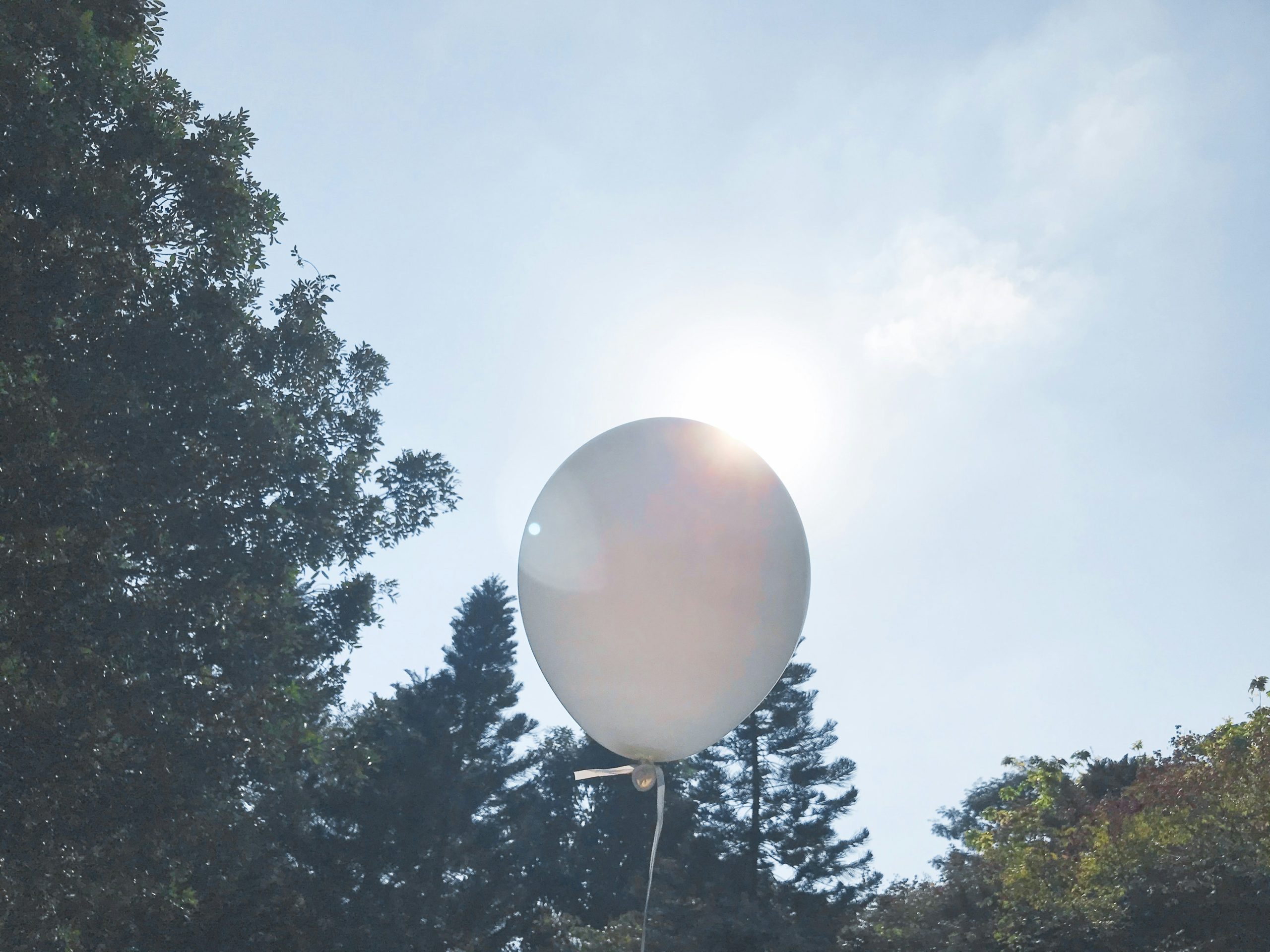
In the world of meteorology, data accuracy is paramount, and nothing does it better than weather balloon sensor systems. These advanced tools gather critical data on temperature, humidity, and atmospheric pressure, providing invaluable insights into weather patterns.
Whether you’re a professional meteorologist or an enthusiast looking to enhance your weather tracking capabilities, this list of the best weather balloon sensor systems is for you! Dive in to discover the top picks that promise unbeatable performance and reliability.
1. Vaisala RS92-SGP – Best For Accurate Upper Atmosphere Measurements
The Vaisala RS92-SGP is renowned for its precision in measuring atmospheric conditions at high altitudes, making it a favorite among professionals in meteorology. Its robust design ensures that it can operate in extreme environments.
Key Features:
- Highly accurate sensors for temperature and humidity
- Durable design for extreme conditions
- Real-time data transmission capabilities
Pros:
- Exceptional accuracy
- Reliable performance in harsh conditions
- Lightweight for easy launching
Cons:
- Premium price point
- Requires specialized training to operate
2. Meisei PILOT-900 – Best For Multi-Parameter Measurements
The Meisei PILOT-900 stands out with its multifunctional capabilities, allowing for measurements of various atmospheric parameters. Ideal for comprehensive weather studies, it helps in capturing a complete picture of the atmosphere.
Key Features:
- Measures temperature, humidity, and pressure simultaneously
- Highly sensitive sensors
- Integrated data logger
Pros:
- Versatile measurement options
- Data logging capabilities
- Great for research applications
Cons:
- Jargon-heavy user manual
- More costly than single-parameter systems
3. Meteor 0B-90 – Best For Ease of Use
If you’re looking for a user-friendly option, the Meteor 0B-90 is perfect for beginners. With its intuitive design and straightforward operation, it allows new users to start quickly without prior experience.
Key Features:
- Plug-and-play functionality
- Compact and lightweight design
- Basic data visualization software included
Pros:
- Easy to set up and use
- Cost-effective for beginners
- Good range of measurements
Cons:
- Limited advanced features
- Battery life may be short
4. Kipp & Zonen C1 – Best For High-Altitude Research
The Kipp & Zonen C1 is specifically designed for high-altitude atmospheric research. It employs cutting-edge technology to ensure reliability and precision at extreme altitudes, gaining admiration in scientific circles.
Key Features:
- Robust sensor for upper-atmosphere data collection
- Built to withstand harsh weather conditions
- Configurable telemetry options
Pros:
- High reliability
- Long lifespan
- Excellent build quality
Cons:
- Higher cost than competing models
- Complex setup process
5. InterMet I – Best For Climate Studies
The InterMet I is another high-caliber system designed particularly for climate studies. Its exceptional accuracy and multi-faceted measurement capabilities make it essential for researchers focused on long-term climate patterns.
Key Features:
- Multi-sensor capability for robust data
- Advanced calibration stability
- User-friendly interface
Pros:
- Highly regarded by climate scientists
- Durable and long-lasting
- Easy to interface with computers
Cons:
- Hefty price tag
- Requires a computer for full functionality
6. GRAW DCP – Best For Professional Use
The GRAW DCP is engineered for professional meteorologists, offering comprehensive solutions for data acquisition and transmission. Its robust technology supports a wide range of meteorological applications.
Key Features:
- Real-time data streaming
- Multi-channel data acquisition
- Flexible configuration options
Pros:
- Extensive customization options
- High data accuracy
- Widely used in research institutions
Cons:
- High initial investment
- Complex software interface
7. SRS-2000 – Best For Portable Operations
For those needing something lightweight and portable, the SRS-2000 is the answer. It features a compact build making it easy to transport, ideal for fieldwork and on-the-go weather observations.
Key Features:
- Compact size for portability
- Rechargeable battery for extended use
- Real-time data feed
Pros:
- Ideal for field deployments
- Good power efficiency
- Simple setup
Cons:
- Limited features compared to larger models
- Shorter measurement range
8. Trisonica HF – Best For Educational Purposes
The Trisonica HF is a great choice for educational settings. It provides accurate meteorological data while being easy to use for students and teachers alike, making it the perfect educational tool.
Key Features:
- Designed for easy operation in educational settings
- Lightweight and small footprint
- Compatible with various data visualization tools
Pros:
- Affordable for educational use
- Good customer support
- Includes teaching materials
Cons:
- Not as durable as professional models
- Limited advanced features
How to Choose the Right Weather Balloon Sensor System
When selecting a weather balloon sensor system, consider the following factors:
- Purpose: Determine whether the system is for professional meteorology, educational use, or hobbyist applications.
- Features: Look for systems that meet your specific needs, such as multi-parameter measurement, portability, and data transmission capabilities.
- Budget: Assess what you are willing to invest; remember that higher price often correlates with enhanced functionality and durability.
#Meteorology #WeatherBalloon #WeatherSensors #AtmosphericResearch #DataAccurate #ClimateScience #WeatherMonitoring #SensorTechnology