
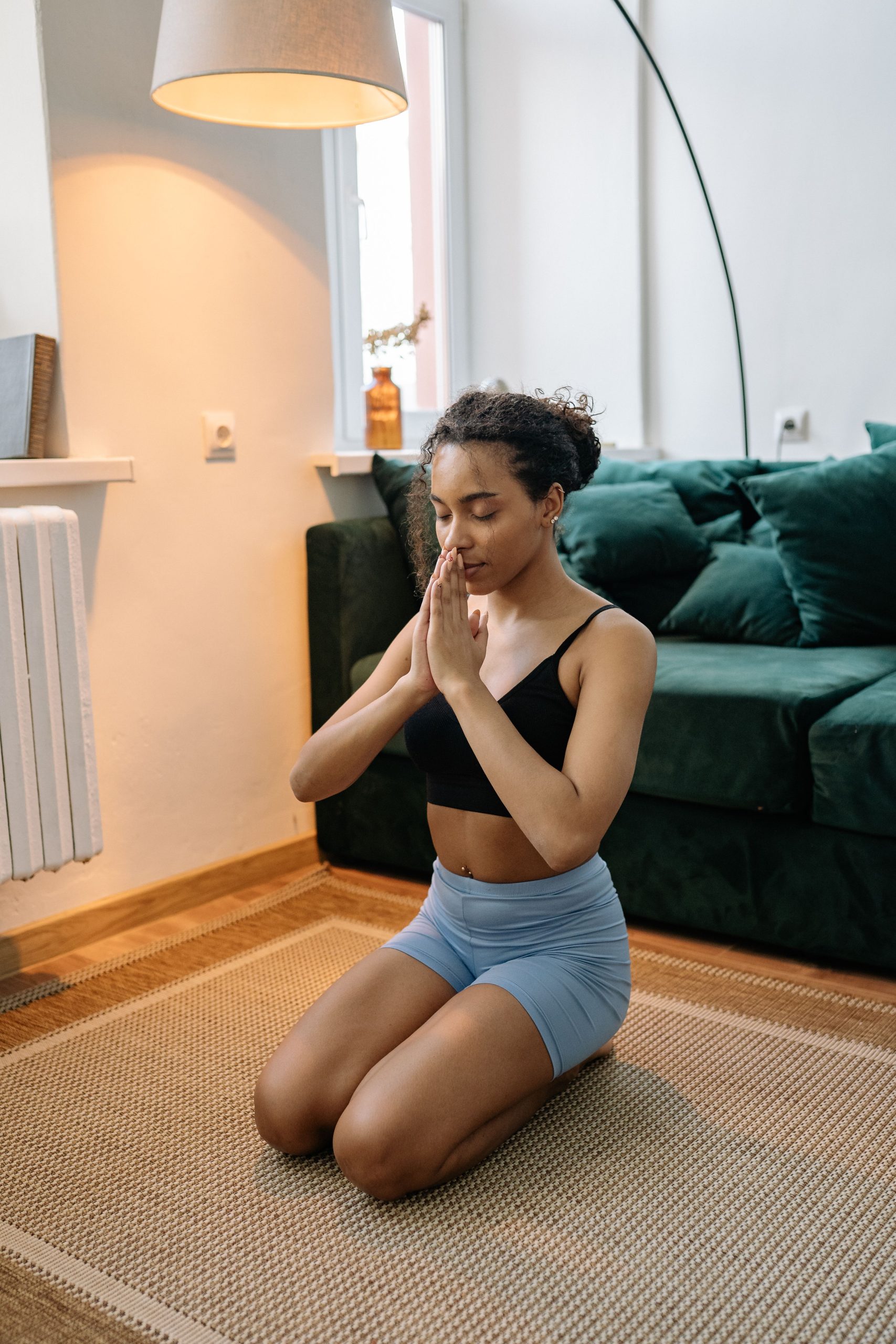
Feeling overwhelmed by life’s daily stresses is something we all experience. Mindfulness exercises are an excellent way to center yourself, regain control, and find calm amidst chaos. This guide will highlight eight highly effective mindfulness practices that can help balance your mind and reduce feelings of being overwhelmed.
By incorporating these exercises into your routine, you’ll learn how to tackle anxiety head-on, improving your mental health and overall well-being. Let’s dive into the best mindfulness exercises that can liberate you from overwhelm!
1. Deep Breathing – Best for Instant Calm
Deep breathing is a simple yet powerful exercise that helps to calm your nervous system and clear your mind quickly. This technique can be done anywhere and takes just a few minutes, making it perfect for quick relief from overwhelming feelings.
Key Features:
- Can be practiced anywhere, anytime.
- Quick to perform, taking just a few minutes.
- Has immediate calming effects on the body.
Pros:
- Easy to learn and implement.
- Requires no special equipment.
- Supports overall health and wellbeing.
Cons:
- May require practice to master.
- Some may find it hard to focus initially.
2. Body Scan Meditation – Best for Awareness
Body scan meditation is a powerful way to connect with your body and release tension. By systematically focusing on different parts of your body, you cultivate awareness and can identify areas of stress, facilitating a deeper state of relaxation.
Key Features:
- Enhances mind-body connection.
- Helps to identify and release tension.
- Improves overall awareness of bodily sensations.
Pros:
- Promotes relaxation and stress relief.
- Increases mindfulness and self-awareness.
- Can be done in a group or solo setting.
Cons:
- Longer duration may not suit everyone.
- Requires a quiet space for maximum benefits.
3. Mindful Walking – Best for Active Meditation
Mindful walking encourages you to connect with your surroundings while engaging in physical activity. This exercise not only aids in stress reduction but also promotes a healthy lifestyle, integrating mindfulness with mobility.
Key Features:
- Combines physical movement with mindfulness.
- Enhances connection with nature.
- Can be practiced alone or in groups.
Pros:
- Can be done outdoors, enhancing mood.
- Improves physical fitness while meditating.
- Increases awareness of the present moment.
Cons:
- May be challenging in crowded spaces.
- Requires a safe, leisurely walking pace.
4. Gratitude Journaling – Best for Positive Mindset
Journaling about what you are grateful for helps shift your focus from negativity to positivity. This exercise fosters an attitude of appreciation, which is particularly helpful when feeling overwhelmed by stress.
Key Features:
- Promotes positive cognitive shifts.
- Helps document and reflect on joyful moments.
- Encourages a daily reflection routine.
Pros:
- Enhances mood and mental resilience.
- Requires minimal time investment.
- Can be customized to fit individual needs.
Cons:
- May feel forced at first for some users.
- Requires commitment for long-term benefits.
5. Mindful Eating – Best for Building Awareness
Mindful eating encourages you to slow down and savor your meals, paying attention to flavors, textures, and feelings of hunger or satiety. This exercise not only reduces stress but also promotes healthier eating habits.
Key Features:
- Enhances your relationship with food.
- Encourages slower, more intentional eating.
- Promotes better digestion and satisfaction.
Pros:
- Improves eating habits and health.
- Reduces overeating and emotional eating.
- Can make meals more enjoyable.
Cons:
- Some may find it hard to slow down.
- Requires a distraction-free mealtime.
6. Guided Imagery – Best for Creative Relaxation
Guided imagery involves envisioning peaceful scenes to promote relaxation. This mental exercise can transport you to a serene environment, providing a great mental escape from daily stresses.
Key Features:
- Focuses on positive sensory experiences.
- Can reduce anxiety and stress levels.
- Accessible through various apps and recordings.
Pros:
- Encourages creativity in relaxation techniques.
- Can be practiced individually or in groups.
- Helps visualize goals and desires.
Cons:
- May require guidance initially.
- Not suitable for those who struggle with visualization.
7. Loving-Kindness Meditation – Best for Self-Compassion
Loving-kindness meditation focuses on developing compassion toward oneself and others. This practice can significantly boost your mood and foster a sense of connection, particularly useful for combating feelings of isolation during overwhelming times.
Key Features:
- Encourages positive feelings toward oneself and others.
- Helps cultivate empathy and connection.
- Can lead to reduced feelings of loneliness.
Pros:
- Increases emotional resilience and well-being.
- Promotes healthier relationships.
- Accessible to all experience levels.
Cons:
- May feel uncomfortable for some initially.
- Requires consistent practice for full benefits.
8. Progressive Muscle Relaxation – Best for Physical Tension
Progressive muscle relaxation involves tensing and relaxing different muscle groups, which helps to alleviate physical stress and promote relaxation throughout the body. It’s particularly effective for those who feel overwhelmed physically.
Key Features:
- Reduces physical tension systematically.
- Enhances awareness of bodily sensations.
- Improves overall relaxation and stress relief.
Pros:
- Can be done anywhere; great for a break at work.
- Does not require special equipment.
- Can be easily incorporated into daily routines.
Cons:
- May take time to learn effectively.
- Some may find it difficult to focus on tensing muscles.
How to Choose the Right Mindfulness Exercise
Selecting the best mindfulness exercise for reducing overwhelm depends on your personal preferences and lifestyle. Start by considering the environment in which you will practice and how much time you can dedicate to it. Experiment with different exercises to determine what resonates with you the most, and remember that consistency is key to reaping the rewards of mindfulness.
#MindfulnessExercises #MentalHealth #StressRelief #Mindfulness #Meditation #SelfCare #Wellbeing #MentalWellness