
In an era where food security is pressing and agricultural efficiency is paramount, biotechnology innovations have emerged as game-changers. These advancements not only enhance crop yields but also make farming more sustainable. Let’s dive into the top five agricultural science biotechnology innovations that are revolutionizing the farming landscape.
Whether you’re a farmer looking to improve your harvest or a consumer interested in sustainable practices, these innovations are paving the way for a brighter agricultural future. Discover how modern science is addressing age-old challenges in farming!
1. Genetically Modified Organisms (GMOs) – Best for Increased Crop Resilience
Genetically Modified Organisms, or GMOs, are plants or animals whose DNA has been altered for specific agricultural benefits. This biotechnology not only improves crop resilience to pests and diseases but also enhances nutritional content.
Key Features:
- Enhanced pest resistance minimizes the need for pesticides.
- Improved nutritional profiles in crops raise food value.
- Higher crop yields contribute to food security.
Pros:
- Increased agricultural productivity.
- Reduced reliance on chemical pesticides.
- Environmental benefits from decreased land use.
Cons:
- Controversies surrounding health impacts.
- Potential for loss of biodiversity.
- Market resistance in some regions.
2. CRISPR Technology – Best for Precision Gene Editing
CRISPR is a revolutionary gene-editing tool that allows for precise modifications at the DNA level. This technology offers the potential to create crops that can withstand harsh environmental conditions, thereby ensuring better yield quality.
Key Features:
- Highly specific modifications reduce unintended effects.
- Faster development of new crop varieties.
- Possible reduction of agricultural waste.
Pros:
- Efficiency in developing resilient crops.
- Greater control over plant traits.
- Diverse applications beyond crops, including livestock.
Cons:
- Regulatory hurdles in various countries.
- Public apprehension about gene editing.
- Technical expertise required for application.
3. Biopesticides – Best for Sustainable Pest Management
Biopesticides are derived from natural materials and serve as eco-friendly alternatives to traditional pesticides. They protect crops from pests while promoting biodiversity and reducing chemical residues in the environment.
Key Features:
- Derived from microorganisms and plants.
- Lower toxicity to non-target species.
- Biodegradable, leaving no harmful residues.
Pros:
- Environmentally friendly pest control.
- Supports organic farming practices.
- Helps maintain soil health.
Cons:
- May require more frequent applications.
- Variable effectiveness depending on conditions.
- Higher initial costs for farmers.
4. Vertical Farming Biotechnology – Best for Urban Agriculture
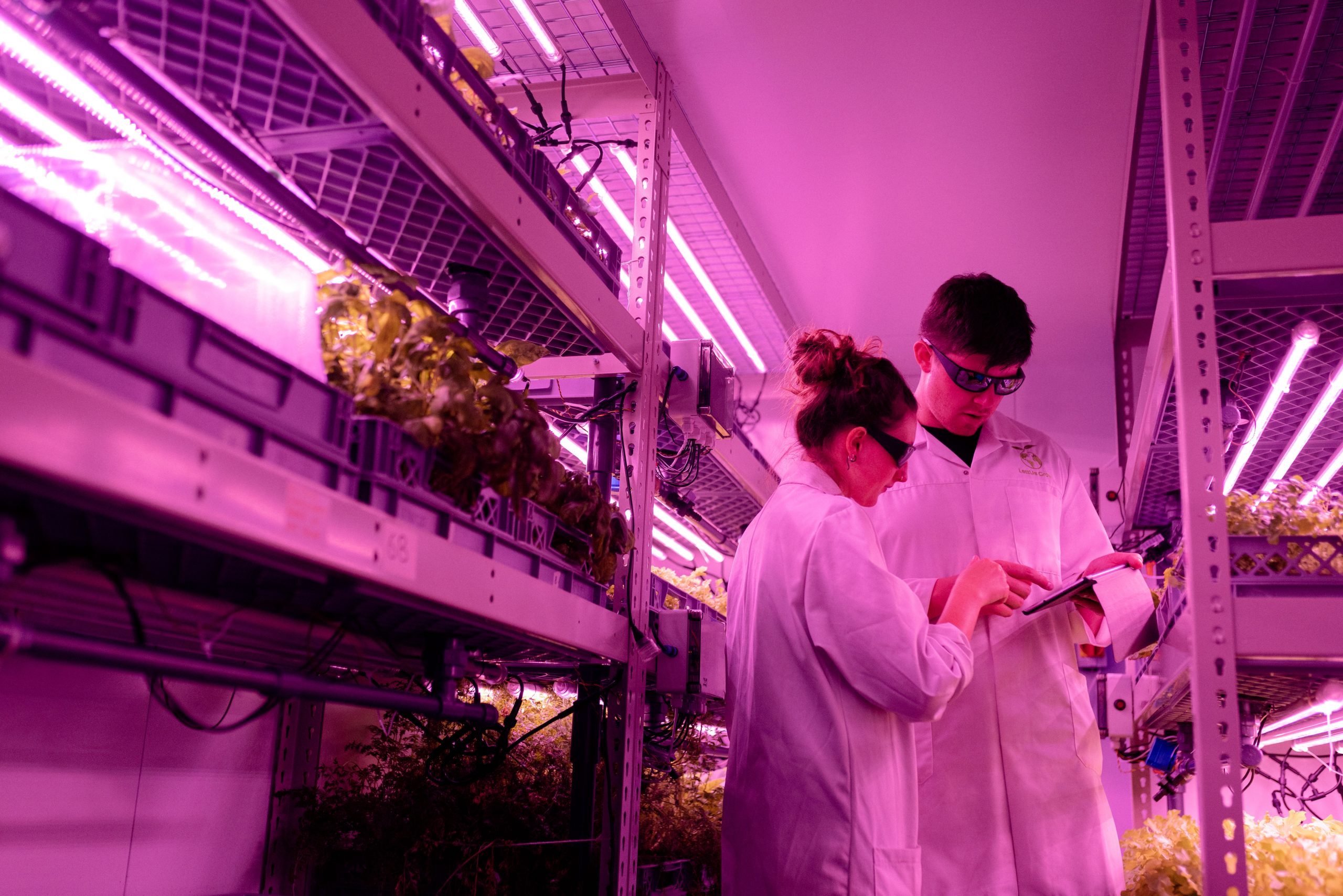
Vertical farming utilizes advanced technologies like hydroponics and aeroponics to grow crops in stacked layers. This innovative approach allows for farming in urban areas, resulting in fresher produce and reduced transportation emissions.
Key Features:
- Space-efficient designs optimize land use.
- Controlled environment enhances crop growth.
- Year-round production irrespective of weather conditions.
Pros:
- Minimal water usage compared to traditional farming.
- Reduction in food miles leads to fresher produce.
- Creates local jobs in urban areas.
Cons:
- High setup and operational costs.
- Dependence on energy sources for lighting and climate control.
- Potential technical challenges for new adopters.
5. Biofertilizers – Best for Soil Fertility Improvement
Biofertilizers are natural fertilizers containing living microorganisms that enhance soil fertility. They promote plant growth by increasing nutrient availability and helping to restore soil health, thus playing a crucial role in sustainable agriculture.
Key Features:
- Enhances nutrient uptake by plants.
- Improves soil structure and health.
- Environmentally friendly and sustainable.
Pros:
- Natural enhancement of soil nutrients.
- Reduced need for chemical fertilizers.
- Supports beneficial microbial communities.
Cons:
- Longer time to see results compared to synthetic fertilizers.
- Storage and application limitations may exist.
- Variable efficacy based on soil types.
How to Choose
When selecting biotechnology innovations for your agricultural practice, consider factors such as crop type, local climate, soil health, and market demands. Each innovation offers unique benefits, so evaluate what aligns best with your specific needs and sustainability goals.
#AgriculturalBiotechnology #SustainableFarming #GMOs #CropInnovation #VerticalFarming #Biofertilizers #Biopesticides #CRISPR