
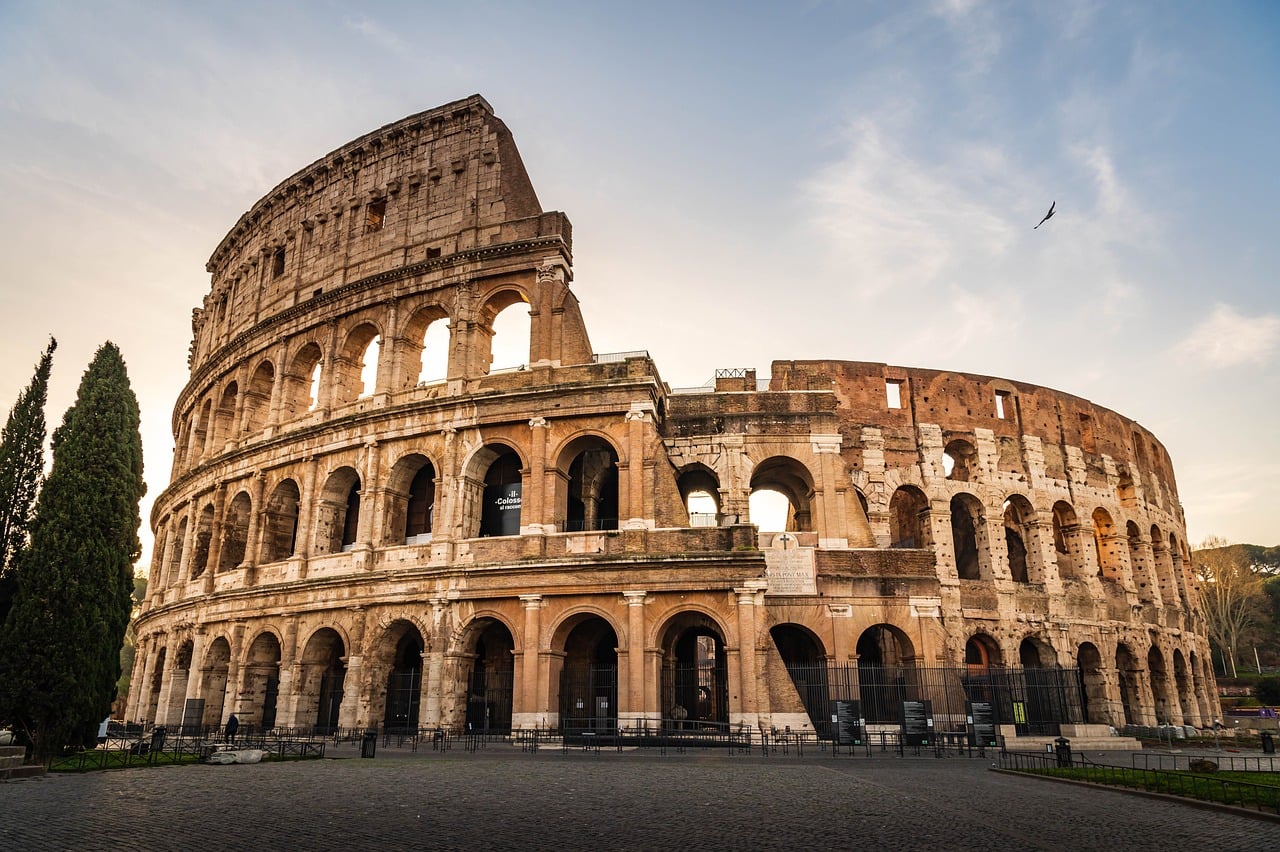
Unleash your inner history lover as we explore the magnificent ruins of ancient amphitheaters that have stood the test of time. These iconic structures offer a glimpse into the grandeur of bygone cultures and their epic entertainment venues. From gladiatorial battles to theatrical performances, each amphitheater tells a unique story and boasts impressive architecture. Let’s dive into the top five ancient amphitheater ruins that are not only breathtaking but also remarkably preserved.
1. Colosseum – Best For Spectacular Roman History
Located in the heart of Rome, the Colosseum is the largest ancient amphitheater ever built. Constructed in AD 70-80, it hosted countless events, including gladiatorial contests and public spectacles. Its impressive design and historical significance make it a must-visit landmark.
Key Features:
- Seating capacity of up to 80,000 spectators
- Ingenious use of arches and vaults
- Rich history filled with thrilling events
Pros:
- Iconic symbol of ancient Rome
- Well-preserved structure
- Accessible to tourists
Cons:
- Can be crowded with tourists
- Ticket prices may be high
- Limited access to some areas
2. The Arena of Nîmes – Best For Remarkable Engineering
This remarkable amphitheater, known as the Arène de Nîmes, is a standout example of Roman engineering in southern France. Built around AD 70, it still hosts events today, showcasing its enduring legacy and impressive preservation.
Key Features:
- One of the best-preserved Roman amphitheaters
- Seating for approximately 24,000 spectators
- Unique elliptical shape enhancing acoustics
Pros:
- Active venue for concerts and events
- Accessible location in Nîmes
- Rich history and stunning architecture
Cons:
- Entry fee for events
- Limited guided tours
- Can be subject to weather issues for outdoor events
3. The Odeon of Herodes Atticus – Best For Cultural Performances
This ancient theater is nestled on the southwest slope of the Acropolis in Athens, Greece. Built in 161 AD, it was originally a concert hall, renowned for its incredible acoustics and ornate design, remaining a prominent venue for performances today.
Key Features:
- Seating for around 5,000 spectators
- Well-preserved stage and seating areas
- Stunning backdrop of the Acropolis
Pros:
- Host to modern performances and festivals
- Unique historic atmosphere
- Stunning views of the Acropolis
Cons:
- Limited seating for popular events
- Some areas are not covered
- Access may be challenging for those with mobility issues
4. The Amphitheater of Pompeii – Best For Historical Insights
This ancient Roman amphitheater, located in the ruins of Pompeii, dates back to 80 BC, making it one of the earliest examples of its kind. Its unique elliptical design and the remarkable state of preservation provide valuable insights into Roman architecture and cultural practices.
Key Features:
- Seating for about 20,000 spectators
- Significant archaeological findings
- Intact structure despite the eruption in 79 AD
Pros:
- Part of the UNESCO World Heritage site
- Rich educational experience
- Beautiful scenic surroundings
Cons:
- Strict regulations on access for preservation
- Can be very hot during peak tourist seasons
- Limited facilities on-site
5. The Pula Arena – Best For Picturesque Scenery
Nestled in the city of Pula, Croatia, the Pula Arena is one of the best-preserved Roman amphitheaters still standing today. Built in the 1st century AD, it reflects the grandeur of Roman architecture and is surrounded by stunning Adriatic views.
Key Features:
- Capacity of 23,000 spectators
- Unique three-story structure
- Exceptional acoustics for performances
Pros:
- Stunning coastal location
- Hosts numerous cultural events
- Well-maintained facilities
Cons:
- Entry fees for events
- Occasional disturbances during performances
- Can be difficult to reach during peak tourist season
How to Choose the Right Amphitheater to Visit
When selecting which ancient amphitheater to explore, consider your interests. Are you a history buff looking for rich narratives? Do performing arts and concerts excite you? Also, evaluate accessibility, the types of events held, and whether the location aligns with your travel itinerary. Each amphitheater offers a unique experience, so plan accordingly for maximum enjoyment!
#AncientRuins #Amphitheater #RomanHistory #TravelGoals #CulturalHeritage #ExploreTheWorld #TravelPhotography