
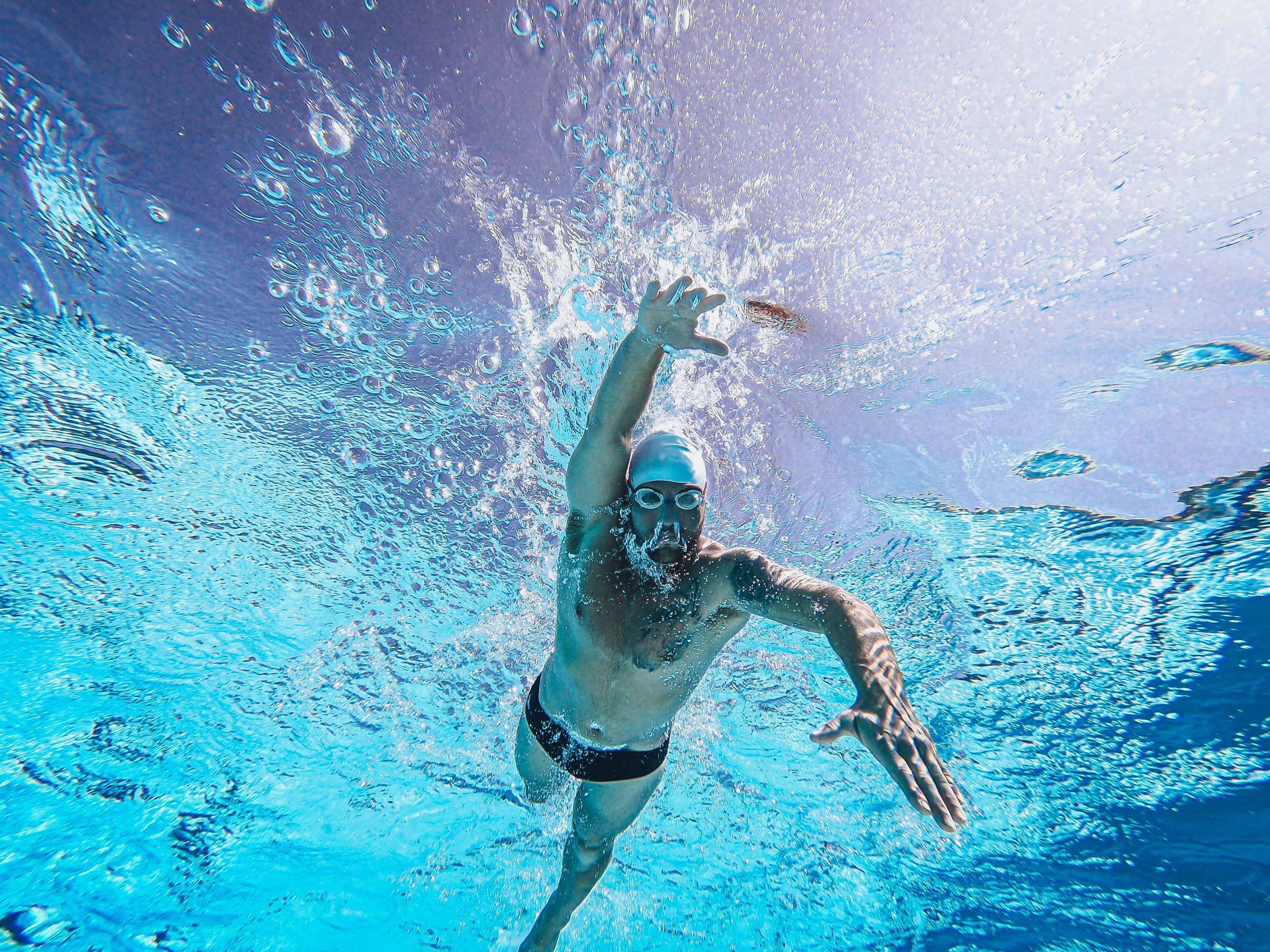
Enhancing your athletic endurance can often come down to one simple factor: your breathing. Many athletes overlook the power of proper breathing techniques, believing it to be instinctual. However, refined breathing can lead to improved performance, increased stamina, and quicker recovery times. If you’re looking to boost your endurance and take your athletic performance to the next level, mastering these breathing techniques is essential.
Whether you’re a seasoned athlete or just starting out, incorporating these breathing strategies into your training can provide significant benefits. Let’s dive into the top five breathing techniques that can help you maximize your endurance and reach your fitness goals!
1. Diaphragmatic Breathing – Best for Oxygen Efficiency
Diaphragmatic breathing, or belly breathing, focuses on engaging the diaphragm to take in more air. This method allows for greater oxygen intake, which is vital for endurance activities.
Key Features:
- Increases lung capacity and oxygen efficiency.
- Reduces stress and enhances focus.
- Improves overall respiratory function.
Pros:
- Boosts stamina and athletic performance.
- Helps maintain calm during intense workouts.
- Can be practiced anywhere.
Cons:
- May take time to master.
- Some may feel lightheaded initially.
- Requires consistent practice for best results.
2. Box Breathing – Best for Mental Clarity
Box breathing is a technique used by athletes and military personnel alike. By breathing in four simple counts, holding, exhaling for four counts, and then pausing, athletes can improve their focus and reduce anxiety.
Key Features:
- Enhances concentration and mental clarity.
- Reduces feelings of stress and anxiety.
- Increases breath control.
Pros:
- Quick and easy to learn.
- Good for pre-event preparation.
- Can be performed anywhere.
Cons:
- May feel unnatural at first.
- Practice is needed to achieve desired calmness.
- Not suitable during high-intensity activity.
3. 4-7-8 Breathing – Best for Recovery
The 4-7-8 breathing technique enhances recovery by allowing athletes to focus on deep, rhythmic inhalations and exhalations. This practice helps to reduce heart rate and promote relaxation after intense workouts.
Key Features:
- Promotes relaxation and stress relief.
- Aids in recovery between sets.
- Improves sleep quality, aiding overall performance.
Pros:
- Easy to remember and implement.
- Supports overall mental wellness.
- Can improve sleep patterns.
Cons:
- May require quiet space for best effectiveness.
- Not ideal during exertion.
- Could be challenging for beginners.
4. Pursed Lip Breathing – Best for Endurance Activities
Pursed lip breathing is an effective technique that helps maintain longer exhalations, improving lung function and stamina, especially during prolonged physical activities.
Key Features:
- Helps improve air exchange in the lungs.
- Reduces breathlessness during exercise.
- Promotes calmness during intense exertion.
Pros:
- Easy to perform, even for beginners.
- Can be used during various workouts.
- Provides immediate control over breath.
Cons:
- May require focus to maintain the technique.
- Not ideal for high-speed activities.
- Some may find it uncomfortable at first.
5. Alternate Nostril Breathing – Best for Balancing Energy
Alternate nostril breathing is a classic yoga technique that helps balance the body’s energy, promoting relaxation and focus. This technique is beneficial for both pre-performance preparation and recovery.
Key Features:
- Balances left and right brain activity.
- Enhances respiratory function.
- Promotes relaxation and mindfulness.
Pros:
- Great for mental clarity and focus.
- Can be a calming pre-competition ritual.
- Improves coordination of breathing.
Cons:
- Can feel complex for beginners.
- Requires practice to achieve fluidity.
- Not ideal during high intensity.
How to Choose the Right Breathing Technique
When selecting a breathing technique, consider your specific goals and the activity’s requirements. For endurance training, focus on techniques that enhance oxygen intake and lung capacity. For stress relief and recovery, look for slower, more calming methods. Finally, ensure you practice consistently to achieve optimal results!
#AthleticEndurance #BreathingTechniques #FitnessTips #EnduranceTraining #AthleteLifestyle #HealthyLiving #BreathControl #PerformanceEnhancement