
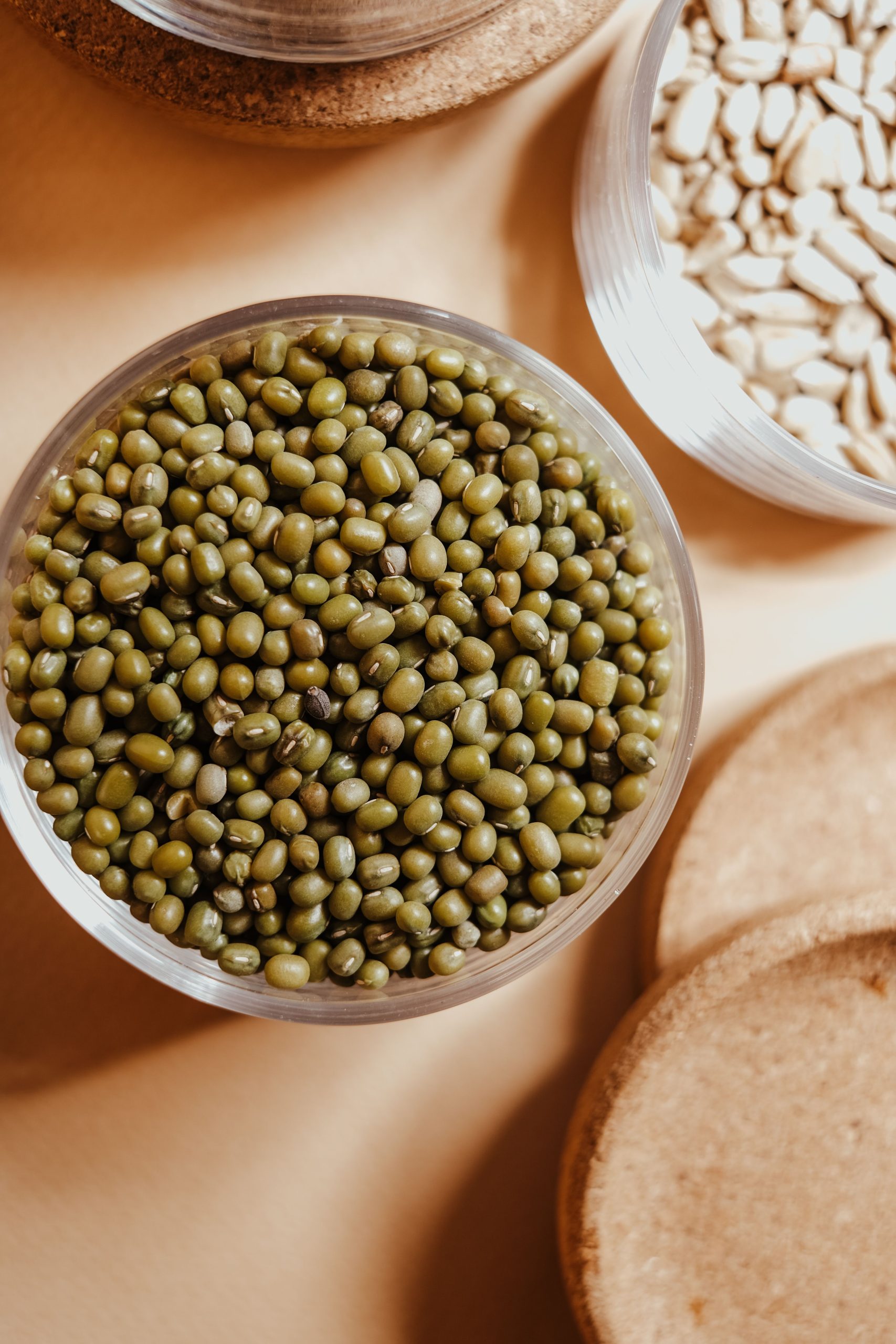
Are you looking to build muscle while following a plant-based diet? Strength training doesn’t have to rely solely on animal protein. Fortunately, there are plenty of plant-based sources that can help you achieve your protein goals and fuel your workouts. In this article, we’ll explore the top 5 plant-based protein sources that will enhance your strength training journey.
Whether you’re a seasoned athlete or just getting started, these proteins can provide the necessary nutrients for muscle repair and growth. Let’s dive into the best options for plant-based protein!
1. Lentils – Best For High Fiber Content
Lentils are a powerhouse of nutrition and an excellent source of protein. These legumes pack an impressive protein punch, making them a favorite for plant-based athletes. They’re also rich in fiber, which aids digestion and keeps you feeling full longer.
Key Features:
- High protein content (about 18g per cooked cup)
- Rich in fiber (around 16g per cooked cup)
- Low in fat and cholesterol-free
Pros:
- Versatile for various recipes
- Affordable and widely available
- Supports heart health
Cons:
- May cause bloating in some individuals
- Requires cooking time
2. Quinoa – Best For Complete Protein
Quinoa is not just a trendy superfood; it’s a complete protein, containing all nine essential amino acids. This ancient grain is perfect for vegans and vegetarians seeking a balanced source of protein and additional nutrients.
Key Features:
- High in complete protein (about 8g per cooked cup)
- Contains essential minerals such as magnesium and iron
- Gluten-free and easy to digest
Pros:
- Quick cooking time
- Highly nutritious and filling
- Great texture and flavor
Cons:
- Might be more expensive than other grains
- Requires rinsing before cooking to remove bitterness
3. Chickpeas – Best For Versatility
Chickpeas, or garbanzo beans, are not only rich in protein but also extremely versatile. Whether you enjoy them in salads, soups, or blended into hummus, they’re an excellent choice for any meal.
Key Features:
- Approximately 15g of protein per cooked cup
- High in dietary fiber and minerals
- Low glycemic index, beneficial for blood sugar control
Pros:
- Easy to incorporate into various dishes
- Provide plant-based iron
- Versatile preparation methods
Cons:
- Can cause digestive discomfort for some
- May require soaking if using dried beans
4. Tofu – Best For Protein Density
Tofu is a staple in many plant-based diets, offering a dense source of protein. This soy-based product is also rich in calcium and can be used in countless dishes, from stir-fries to smoothies.
Key Features:
- Approximately 20g of protein per cup
- Rich in calcium and iron
- Low in calories and fat
Pros:
- Highly versatile ingredient
- Quick to cook and absorb flavors
- Good source of plant-based fats
Cons:
- Texture can be off-putting for some
- Contains phytoestrogens, which may concern some individuals
5. Hemp Seeds – Best For Healthy Fats
Hemp seeds are tiny but mighty, packed with protein and healthy fats. They’re great for sprinkling on salads, smoothies, or oatmeal, and provide a nutritious boost to your diet.
Key Features:
- About 9g of protein per 3 tablespoons
- Rich in omega-3 and omega-6 fatty acids
- Contains essential vitamins and minerals
Pros:
- No cooking required; can be eaten raw
- Nutty flavor enhances many dishes
- Highly nutritious and energy-boosting
Cons:
- Can be pricey compared to other seeds
- Some may have allergies to hemp seeds
How to Choose the Best Plant-Based Protein Sources
When selecting plant-based protein sources for your strength training routine, consider your dietary preferences, cooking habits, and any potential food sensitivities. Opt for a variety of proteins to ensure you get a broad spectrum of amino acids and nutrients. Integrating these foods into your diet will not only support your muscle-building efforts but also contribute to overall health.
#PlantBasedProtein #StrengthTraining #VeganFitness #MuscleBuilding #HealthyEating #Nutrition #WorkoutGoals #FitnessJourney