
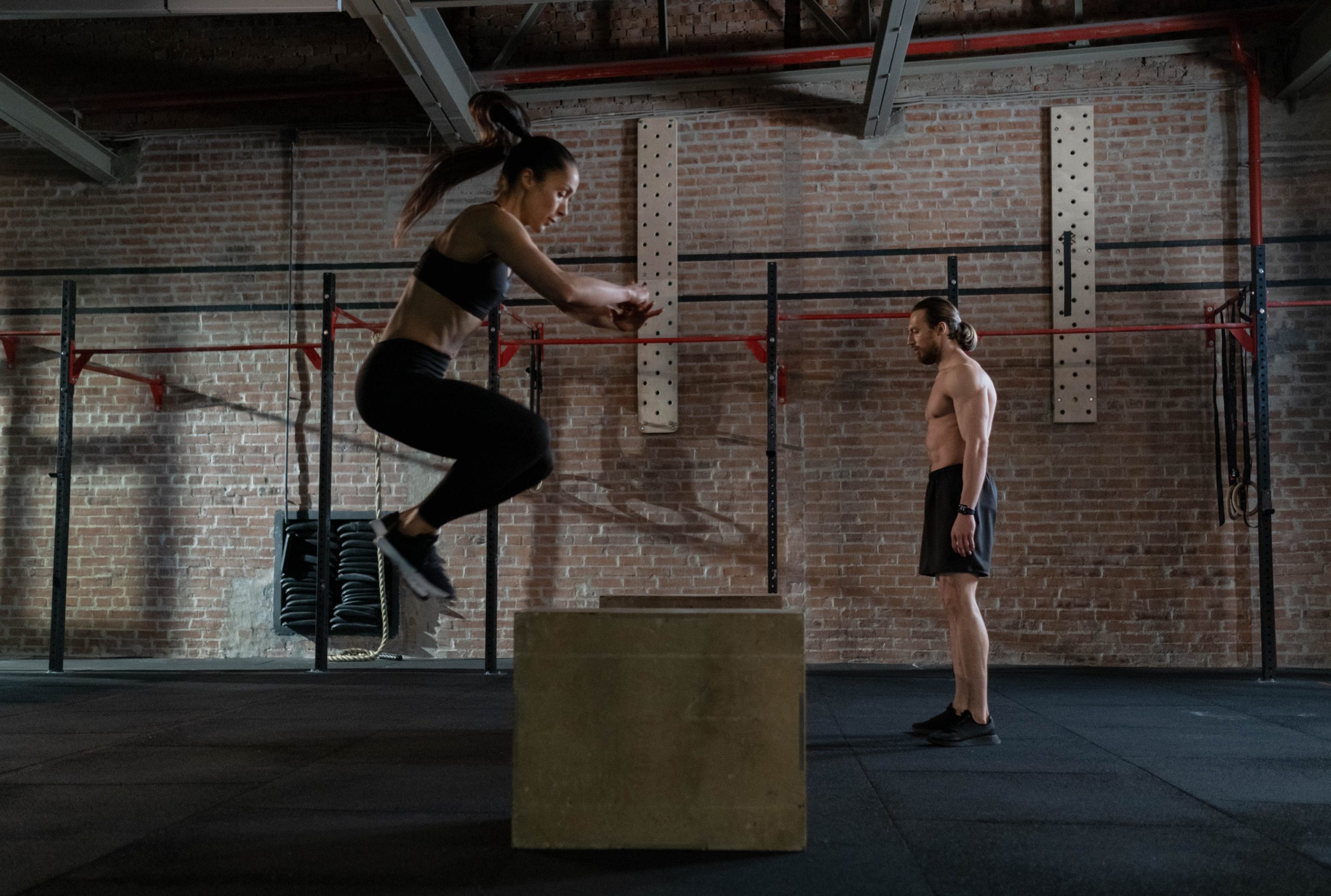
If you dream of soaring like an eagle on the court or field, incorporating plyometric exercises into your training routine is essential. These explosive movements can significantly enhance your power and technique, allowing you to jump higher than ever before. Say goodbye to mediocre jumps and hello to a sky-high performance with these top five plyometric exercises!
In this article, we will explore the best plyometric exercises that can help you develop explosive strength and agility. Perfect your jump technique and reach new heights with these effective workouts!
1. Box Jumps – Best For Explosive Power
Box jumps are a classic plyometric exercise that targets your lower body muscles while improving your vertical leap. This exercise is fantastic for developing explosive power and strength in your legs, making it perfect for athletes aiming to increase their jump height.
Key Features:
- Enhances explosive power.
- Improves coordination and balance.
- Can be done with varying box heights for progression.
Pros:
- Increases jump height significantly.
- Engages multiple muscle groups.
- Can be performed anywhere with minimal equipment.
Cons:
- Requires proper technique to avoid injury.
- Higher box heights can be intimidating for beginners.
- May be difficult for those with knee problems.
2. Depth Jumps – Best For Reactive Strength
Depth jumps focus on the stretch-shortening cycle of your muscles, enhancing your reactive strength. This exercise is excellent for developing the ability to convert strength into explosive power, making it perfect for sports requiring quick jumps.
Key Features:
- Encourages rapid muscle contraction.
- Enhances ability to absorb and apply force.
- Improves overall athletic performance.
Pros:
- Boosts jump height effectively.
- Increases quickness and agility.
- Can be adjusted for skill level.
Cons:
- High-risk exercise if done incorrectly.
- Requires a solid foundational strength.
- May lead to fatigue if overdone.
3. Broad Jumps – Best For Full-Body Engagement
Broad jumps are an incredible way to engage multiple muscle groups in a single explosive movement. This exercise not only improves your jumping technique but also builds strength across your legs, hips, and core.
Key Features:
- Focuses on horizontal distance.
- Engages core and lower body muscles.
- Improves overall athletic power.
Pros:
- Contributes to overall body strength.
- Enhances coordination and balance.
- Simple to perform without equipment.
Cons:
- May be less effective for vertical jump height.
- Can lead to strain if not performed with proper form.
- Requires ample space to execute safely.
4. Tuck Jumps – Best For Leg Strength and Agility
Tuck jumps enhance leg strength while also improving overall agility. By jumping and tucking your knees to your chest, this exercise efficiently trains your fast-twitch muscle fibers, crucial for explosive power in jumps.
Key Features:
- Improves leg and core strength.
- Enhances overall athleticism.
- Can be done in small spaces.
Pros:
- Targets fast-twitch muscle fibers for explosive power.
- Increases vertical jump capability.
- No equipment needed.
Cons:
- Can be high-impact on joints.
- Requires good core stability.
- Intense for beginners.
5. Plyometric Push-Ups – Best For Upper Body Power
Plyometric push-ups work on upper body strength while improving your jumping ability. By incorporating an explosive push-off, you enhance your chest, shoulders, and triceps, providing a balanced workout for overall athletic performance.
Key Features:
- Great for developing upper body explosiveness.
- Improves overall body coordination.
- Enhances fast-twitch muscle engagement.
Pros:
- Builds strength across multiple muscle groups.
- Improves push-up form and technique.
- Can be varied to suit all levels.
Cons:
- Higher risk of injury if done incorrectly.
- Can be difficult for beginners.
- Requires upper body strength to do effectively.
How to Choose the Right Plyometric Exercises for You
When selecting the best plyometric exercises, consider your current fitness level and goals. Start with exercises that match your strength and technique before progressing to more advanced movements. Be mindful of proper form to prevent injuries, and incorporate a warm-up and cool-down routine into your workout to enhance performance and recovery.
#Plyometrics #JumpHigher #Fitness #Workout #AthleticTraining #Exercise #StrengthTraining #Health