
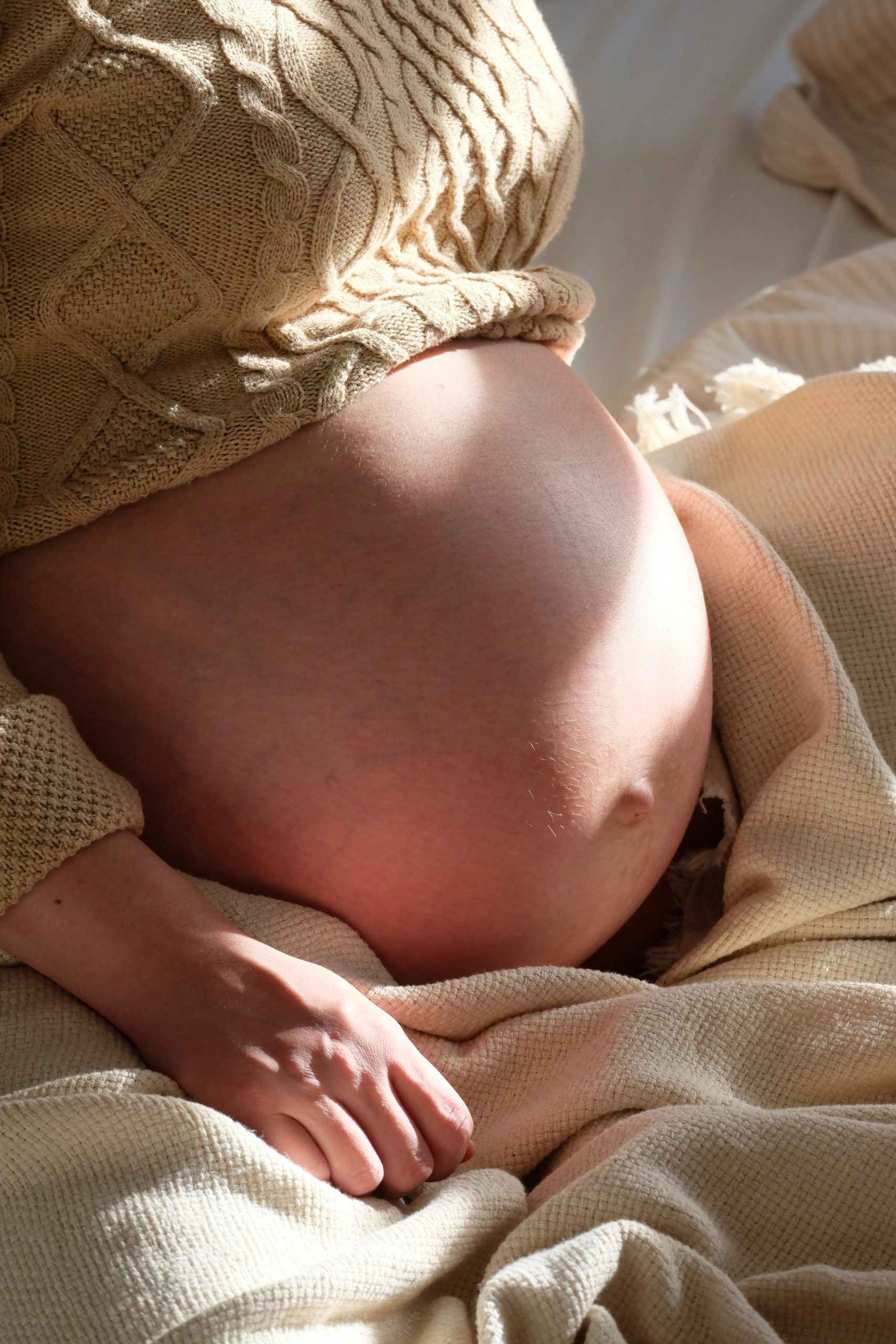
Finding a comfortable sleeping position can become increasingly challenging as pregnancy progresses. Not only does it impact your quality of sleep, but the right positioning can also enhance circulation and fetal health. Whether you’re a seasoned mom or experiencing your first pregnancy, these sleep positioning tips will help you rest easy through the night!
With fluctuating body changes and increased discomfort, prioritizing your sleep environment is crucial. Dive into our expert tips to discover the best positions that ensure both you and your baby enjoy a restful night!
1. Sleep on Your Side – Best For Improved Blood Flow
Sleeping on your side, particularly your left side, is often recommended for pregnant mothers. This position enhances blood flow to vital organs and the placenta, which can benefit overall fetal health.
Key Features:
- Improves circulation
- Reduces pressure on the uterus
- Helps kidneys function better
Pros:
- Promotes optimal fetal health
- Eases back pain
- Reduces swelling in legs and feet
Cons:
- Can be uncomfortable for some
- May require pillows for support
2. Use a Pregnancy Pillow – Best For Added Support
A pregnancy pillow can transform your sleeping experience by providing the support needed for your growing belly and minimizing strain on your back and hips. This specialized pillow can make side sleeping more comfortable.
Key Features:
- Supports belly and back
- Adjustable for personalized comfort
- Promotes better alignment during sleep
Pros:
- Reduces overall discomfort
- Can be used post-pregnancy for breastfeeding
- Many shapes and sizes available
Cons:
- Can take up space in bed
- May be pricey
3. Elevate Your Head – Best For Reduced Heartburn
If you experience heartburn or acid reflux during pregnancy, elevating your head while you sleep can provide relief. Adjusting the incline can prevent stomach acid from rising, allowing for a more restful night.
Key Features:
- Helps reduce heartburn symptoms
- Reduces snoring
- Improves breathing during sleep
Pros:
- Enhances comfort during sleep
- Easy to adjust
- Can be achieved with pillows or a wedge
Cons:
- Requires extra pillows or a special wedge
- May affect alignment for side sleepers
4. Avoid Sleeping on Your Back – Best For Safety
As your pregnancy progresses, it’s generally advisable to avoid sleeping on your back. This position can compress major blood vessels, reducing circulation to your baby and causing discomfort for you.
Key Features:
- Reduces risk of back pain
- Minimizes pressure on the spine
- Helps maintain optimal blood flow
Pros:
- Encourages proper fetal positioning
- Supports healthier pregnancy
- Helps alleviate common pregnancy discomfort
Cons:
- Forces adjustment in sleeping habits
- Can be difficult if accustomed to back sleeping
5. Create a Comfortable Sleep Environment – Best For Overall Relaxation
Beyond positioning, a soothing sleep environment can greatly improve your quality of rest. Consider factors like bedding, room temperature, and noise reduction.
Key Features:
- Enhances sleep quality
- Promotes relaxation before sleep
- Minimizes sleep disturbances
Pros:
- Creates a calming atmosphere
- Can improve overall mood
- Addresses individual sleep preferences
Cons:
- May require investment in bedding or sound machines
- Changes may take time to adjust to
How to Choose the Best Sleep Positioning Techniques
When selecting the best sleep positioning tips, consider your personal comfort level, any pregnancy-related discomforts you’re experiencing, and your doctor’s recommendations. Keep in mind that your body will change throughout pregnancy, so be flexible in adjusting your sleep habits for the best rest!
#Pregnancy #ExpectingMothers #SleepTips #HealthyPregnancy #MaternityCare #SleepPositioning #MomToBe #PregnancyComfort