
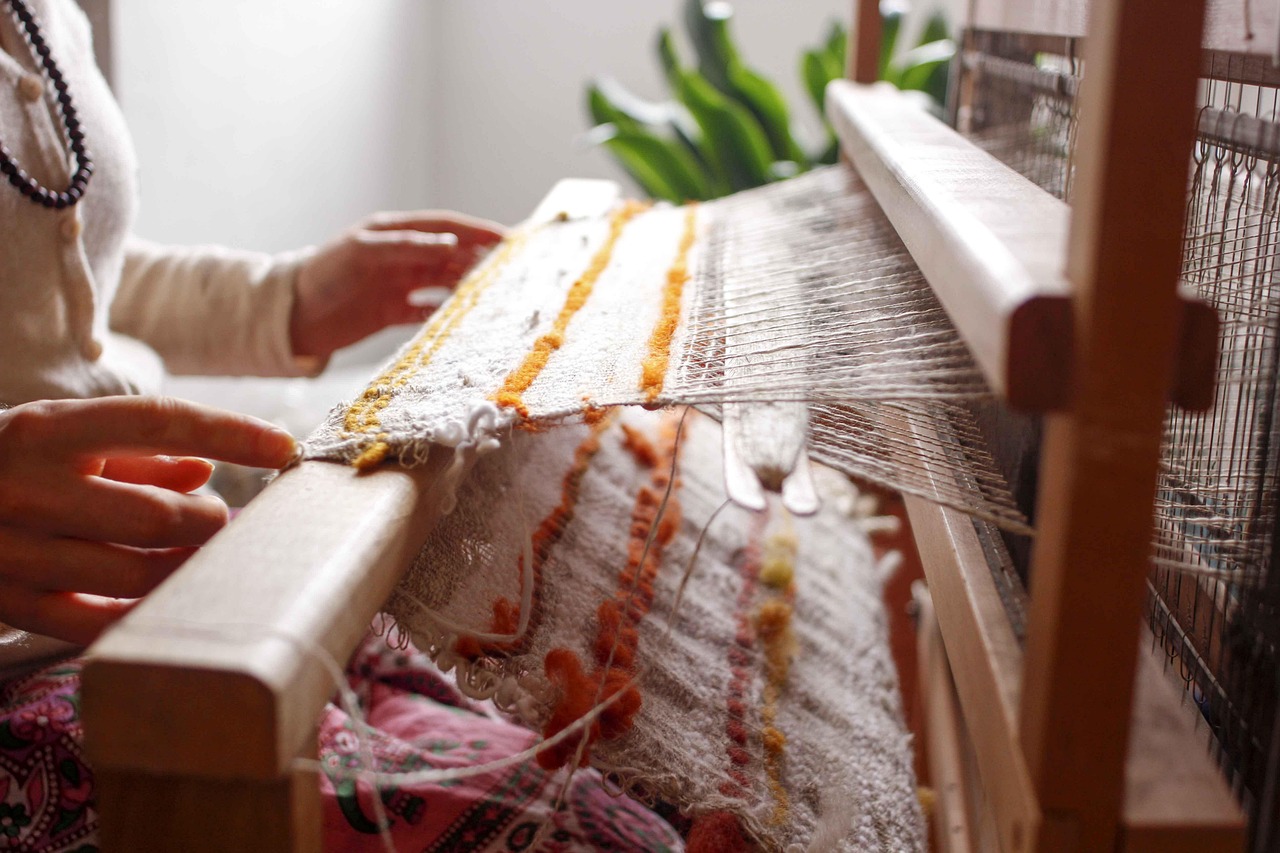
Are you a textile enthusiast or just someone who appreciates the art of weaving? Exploring traditional textile villages offers a unique glimpse into the craftsmanship and culture behind some of the world’s most impressive fabrics. From vibrant colors to intricate patterns, these trips offer an unforgettable experience.
In this article, we’ll uncover the top 5 traditional textile weaving villages that you absolutely must visit. Each destination has its unique charm and story, ensuring you leave with not only beautiful textiles but also a deeper understanding of the traditions that sustain them.
1. Chanderi, India – Best for Luxurious Cotton Sarees
Known for its fine cotton sarees, Chanderi is a village where heritage and craftsmanship come together. The delicate weaving techniques used here have been passed down for generations, making it a must-visit for anyone interested in traditional textile art.
Key Features:
- Rich history of handloom weaving since the 13th century
- Unique blend of cotton and silk textures
- Local workshops open for hands-on experience
Pros:
- Authentic textile experiences
- Opportunity to meet local craftsmen
- Beautiful natural surroundings
Cons:
- Limited accommodation options
- Can be crowded during peak tourist season
2. Oaxaca, Mexico – Best for Colorful Wool Textiles
Oaxaca is renowned for its vibrant hand-woven textiles made from wool. The artistry reflects the culture and spirit of the indigenous communities, offering visitors a chance to appreciate the intricate patterns and bright colors of their garments.
Key Features:
- Traditional back-loom weaving techniques
- Rich cultural heritage and local traditions
- Workshops available to learn the art
Pros:
- Stunning scenery and cultural richness
- Support local artisans
- Variety of textiles to choose from
Cons:
- Language barrier for non-Spanish speakers
- Travel distance can be challenging
3. Kanchipuram, India – Best for Exquisite Silk Sarees
Kanchipuram is a historic town known as the “City of Silk,” where the famous Kanchipuram silk sarees are crafted. Visitors can witness the intricate weaving process of these luxurious sarees, which are often chosen for weddings and special occasions.
Key Features:
- Regal silk sarees with rich colors and patterns
- Unique weaving techniques and designs
- Engagements with local weavers available
Pros:
- Rich cultural significance
- High-quality silk products
- Opportunity for tailored garments
Cons:
- Prices can be high for quality pieces
- May require negotiation skills
4. Tsumago, Japan – Best for Historical Kimono Weaving
Tsumago is a beautifully preserved post town in Japan, celebrated for its traditional kimono weaving. This picturesque village offers the perfect atmosphere to learn about the delicate art of kimono making, enhancing your travel experience.
Key Features:
- Traditional indigo dyeing and weaving
- Authentic Edo-period architecture
- Workshops and demonstrations available
Pros:
- Serene and scenic environment
- Rich historical context
- High-quality handmade products
Cons:
- Limited tourist infrastructure
- Can be difficult to navigate without a guide
5. Sapa, Vietnam – Best for Ethnic Minority Textiles
Sapa is home to various ethnic minorities known for their vibrant textiles featuring unique patterns. Visitors can immerse themselves in the local culture, visiting villages where artisans create stunning textiles that reflect their rich heritage.
Key Features:
- Diverse patterns and colors representing different cultures
- Opportunities to engage with local artisans
- Stunning landscape providing a picturesque backdrop
Pros:
- Support for indigenous communities
- Delightful natural beauty
- Unique and handmade items
Cons:
- Potential language barriers
- Altitude sickness for some travelers
How to Choose the Right Textile Village Trip
When selecting which traditional textile village to visit, consider the specific textiles you’re passionate about, the level of cultural immersion you seek, and your travel preferences. Researching local workshops can enhance your experience, allowing you to take part in the weaving process and learn directly from skilled artisans. Additionally, consider the time of year and any local festivals that may enhance your visit.
#TextileWeaving #Travel #CulturalExperience #Handmade #TextileArt #TraditionalCrafts #ExploreVillages #SustainableTravel