
Ancient Rome is often hailed as a marvel of engineering, with innovations that revolutionized construction and infrastructure. While modern engineering has its roots in these ancient practices, the study of Roman concrete and civil engineering continues to fascinate us today. From aqueducts to monumental structures, the legacy of Roman ingenuity is evident in many aspects of modern architecture.
If you’re intrigued by the art of construction and the secrets behind ancient Roman engineering, this list highlights six pivotal studies that delve into their innovative use of concrete and civil engineering techniques. Prepare to be inspired by the feats of engineering that laid the foundations for contemporary construction practices!
1. The Pantheon – A Masterclass in Dome Construction
The Pantheon stands as a testament to Roman engineering prowess, boasting one of the largest unsupported concrete domes in the world. This building showcases the innovative use of concrete to create a lightweight and durable structure.
Key Features:
- Innovative use of pozzolanic concrete for lighter composition
- Perfectly designed oculus for natural lighting
- Architectural harmony with precise proportions
Pros:
- Resilient structure surviving nearly 2000 years
- Remarkable aesthetic appeal
- Influential in modern architectural designs
Cons:
- Maintenance challenges due to age
- Complexity in replicating original materials
2. The Roman Aqueducts – Engineering Water Supply Systems
The construction of aqueducts revolutionized urban water supply, allowing cities to flourish. This study explores the engineering behind these impressive feats, focusing on hydraulic principles and gravity-flow systems.
Key Features:
- Use of arches to support long spans
- Understanding of terrain management for optimal water flow
- Combination of straight and curved sections for efficient transport
Pros:
- Enabled the growth of major cities
- Innovative materials used for durability
- Foundation for modern water supply systems
Cons:
- Significant land alteration required
- Vulnerability to environmental changes
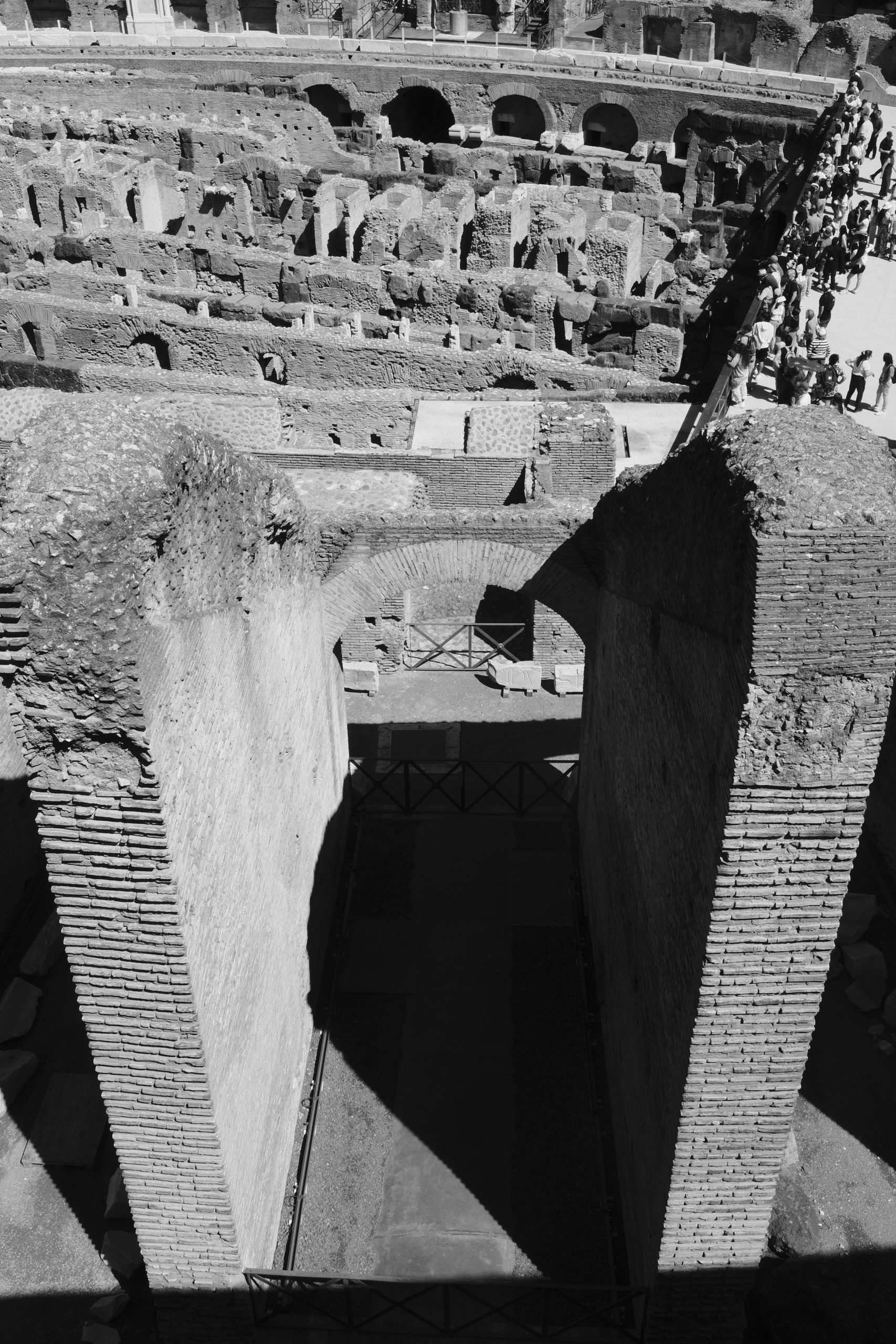
3. The Colosseum – A Structural Engineering Marvel
The Colosseum serves as an iconic representation of Roman engineering, utilizing arches and vaults for structural integrity. This study examines the techniques used to create such a monumental amphitheater.
Key Features:
- Complex system of vaults for load distribution
- Innovative use of travertine and concrete
- Capacity to host over 50,000 spectators
Pros:
- Symbol of Roman architectural influence
- Durable construction over centuries
- Functional design for public spectacles
Cons:
- Requires continuous preservation efforts
- Accessibility challenges due to location
4. The Roman Roads – Foundations of Connectivity
Roman roads facilitated trade and military movement, showcasing engineering strategies that prioritized efficiency and durability. This study focuses on road construction techniques and their long-term impact.
Key Features:
- Multilayered construction for stability
- Use of local materials for efficient building
- Strategic surveying for optimal routing
Pros:
- Enhanced military and trade capabilities
- Influenced modern road construction techniques
- Lasting infrastructure that remains in use
Cons:
- High maintenance costs over time
- Environmental impact on natural landscapes
5. The Basilica of Maxentius – Vaulting Innovations
The Basilica of Maxentius highlights advanced engineering with its impressive vaults and massive spatial arrangements. This study reviews the transition from traditional to innovative vaulting techniques.
Key Features:
- Development of rib vaults for structural support
- Use of concrete for rapid construction
- Architectural influence on later basilica designs
Pros:
- Imposing interior space with artistic potential
- Example of architectural evolution over time
- Informed Gothic cathedral designs
Cons:
- Requires significant restoration efforts
- Historical context often overlooked
6. The Baths of Caracalla – Public Sanitation Engineering
The Baths of Caracalla not only represented social hubs but also showcased advanced plumbing and heating systems. This study examines the engineering principles behind their luxurious amenities and public sanitation.
Key Features:
- Innovative hypocaust heating system
- Complex sewage and drainage systems
- Impressive decorative architecture
Pros:
- Pioneered modern heating and plumbing systems
- Enhanced public health and hygiene
- Influenced future designs of civic buildings
Cons:
- Heavy reliance on maintenance and repairs
- Limited sources for original materials
How to Choose the Right Civil Engineering Study
When exploring civil engineering studies, consider factors such as historical significance, technological innovations, and their influence on modern practices. Look for studies that provide comprehensive insights and practical implications for contemporary engineering projects.
#AncientRomanEngineering #CivilEngineering #RomanConcrete #ArchitectureHistory #EngineeringInnovations #StructuralEngineering #HistoricalStudies #Aqueducts