
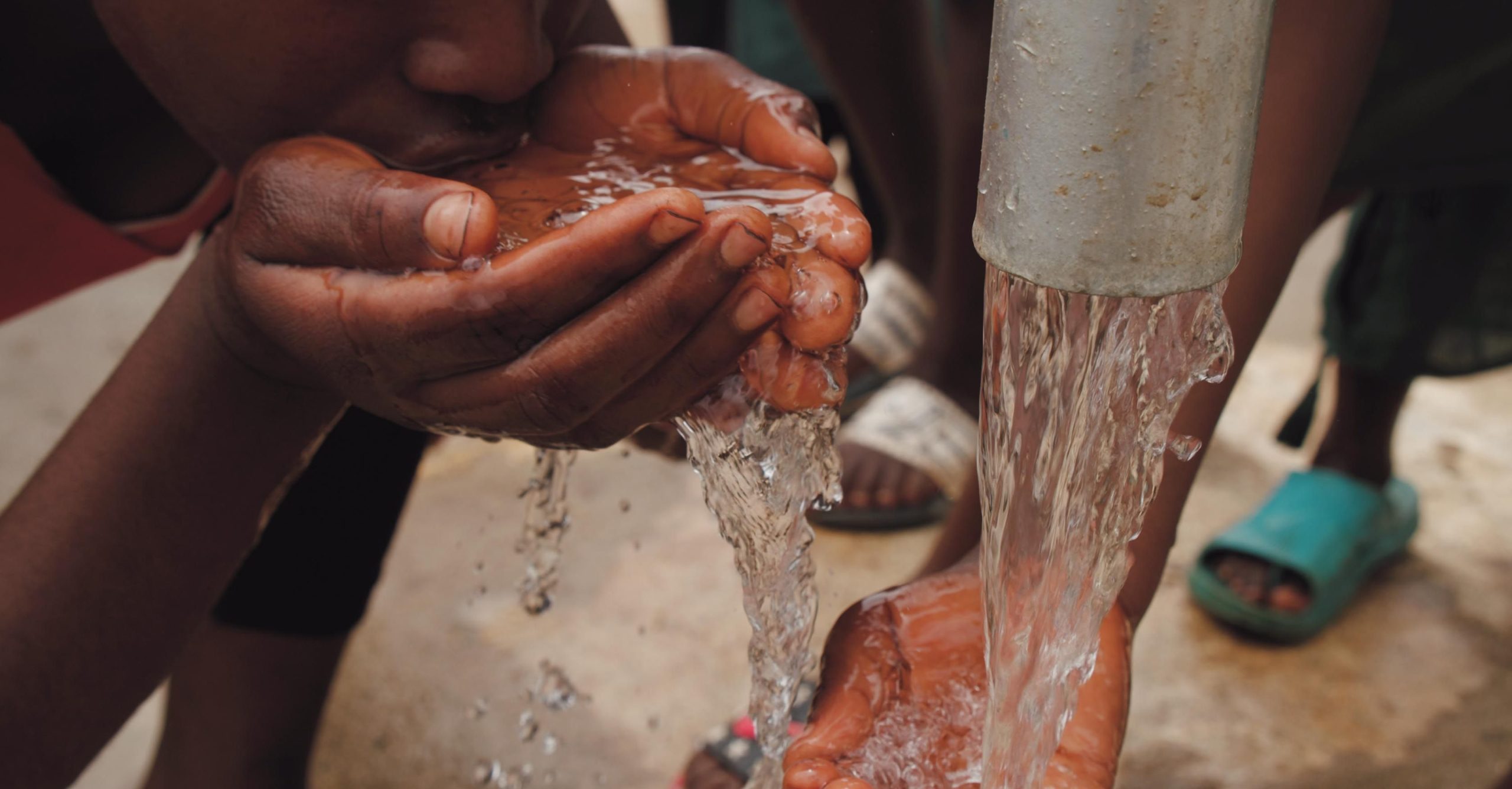
Access to clean water is a fundamental human right, yet millions still struggle with water scarcity and contamination. Understanding the regulations and infrastructure plans designed to improve water quality and accessibility can empower communities and drive positive change. In this article, we’ll explore the top six initiatives that are shaping the future of clean water access worldwide.
From legislation to technological advancements, these efforts are crucial in promoting public health, environmental sustainability, and social equity. Dive in to discover how these plans work and their impact on communities everywhere!
1. The Clean Water State Revolving Fund – Best For Financial Support
The Clean Water State Revolving Fund (CWSRF) provides financial assistance to states for the development of water quality improvement projects. This program is essential for ensuring that communities can access necessary funding for infrastructure upgrades.
Key Features:
- Provides low-interest loans to communities
- Supports a wide range of water quality projects
- Encourages innovative financing solutions
Pros:
- Flexible funding options
- Boosts local economies through project development
- Improves public health and environmental conditions
Cons:
- Funding may be limited in certain years
- Complex application processes
- Not all projects receive funding
2. The Safe Drinking Water Act – Best For Regulatory Framework
Passed in 1974, the Safe Drinking Water Act ensures that public water systems adhere to strict quality standards. This legislation is crucial for protecting the health of millions by regulating contaminants in drinking water.
Key Features:
- Sets national health-based standards for drinking water
- Requires regular testing and reporting
- Addresses issues of lead and other harmful substances
Pros:
- Improves public health and safety
- Increases public trust in water supply
- Offers funding for improvements
Cons:
- Compliance costs for water systems
- Limited resources for small systems
- Adjustments can be slow to implement
3. The Water Infrastructure Finance and Innovation Act – Best For Innovative Projects
The Water Infrastructure Finance and Innovation Act (WIFIA) is a federal program that provides low-interest loans and loan guarantees for innovative water projects. This initiative encourages advancements in water infrastructure by promoting new technologies and best practices.
Key Features:
- Supports a variety of water-related projects
- Ensures lower borrowing costs
- Targets sustainable and resilient infrastructure
Pros:
- Encourages innovation in water management
- Promotes collaboration among stakeholders
- Long repayment periods enhance affordability
Cons:
- Competitive application process
- May require extensive planning
- Loan limits may restrict larger projects
4. The National Water Quality Monitoring Network – Best For Data Transparency
This network aims to provide comprehensive data on national water quality. By monitoring key water bodies across the country, it supports informed decision-making and transparency regarding public water resources.
Key Features:
- Collects and shares vital water quality data
- Enhances public awareness of water issues
- Facilitates research and analysis
Pros:
- Improves community engagement with water issues
- Supports evidence-based policy making
- Encourages collaboration among agencies
Cons:
- Data collection can be resource-intensive
- Potential data inaccuracies
- Requires ongoing funding and management
5. The Clean Water Action Plan – Best For Holistic Water Management
The Clean Water Action Plan aims to restore and protect water quality nationwide through a comprehensive approach to water management. It addresses pollution sources and invests in habitat restoration to ensure sustainable water resources.
Key Features:
- A coordinated federal-state partnership
- Focuses on watershed-based management
- Incorporates community engagement efforts
Pros:
- Addresses multiple sources of pollution
- Fosters community involvement
- Enhances ecological health of water bodies
Cons:
- Implementation may vary by region
- Requires long-term commitment of resources
- Potential for bureaucratic obstacles
6. The Infrastructure Investment and Jobs Act – Best For Comprehensive Funding
This recent legislation aims to provide significant funding for infrastructure improvements, including clean water access. With a focus on modernizing water systems, this act is a game-changer for communities lacking reliable water sources.
Key Features:
- Historic levels of funding for water projects
- Emphasizes resilience against climate change
- Focus on addressing equity in water access
Pros:
- Major investment in public infrastructure
- Supports job creation in water sectors
- Addresses urgent water issues
Cons:
- Requires effective implementation across states
- May face political challenges
- Funding allocations can be slow to materialize
How to Choose the Right Clean Water Initiatives for Your Community
When selecting clean water access regulations and initiatives, consider the specific needs of your community. Evaluate existing infrastructure, funding availability, and stakeholder engagement. Collaborate with local organizations to prioritize effective solutions tailored to your environment. Ongoing education and public awareness are also essential to ensure successful implementation and long-term impact.
#CleanWater #WaterQuality #InfrastructureInvestment #PublicHealth #WaterAccess #SustainableDevelopment #WaterManagement #CommunityEngagement