
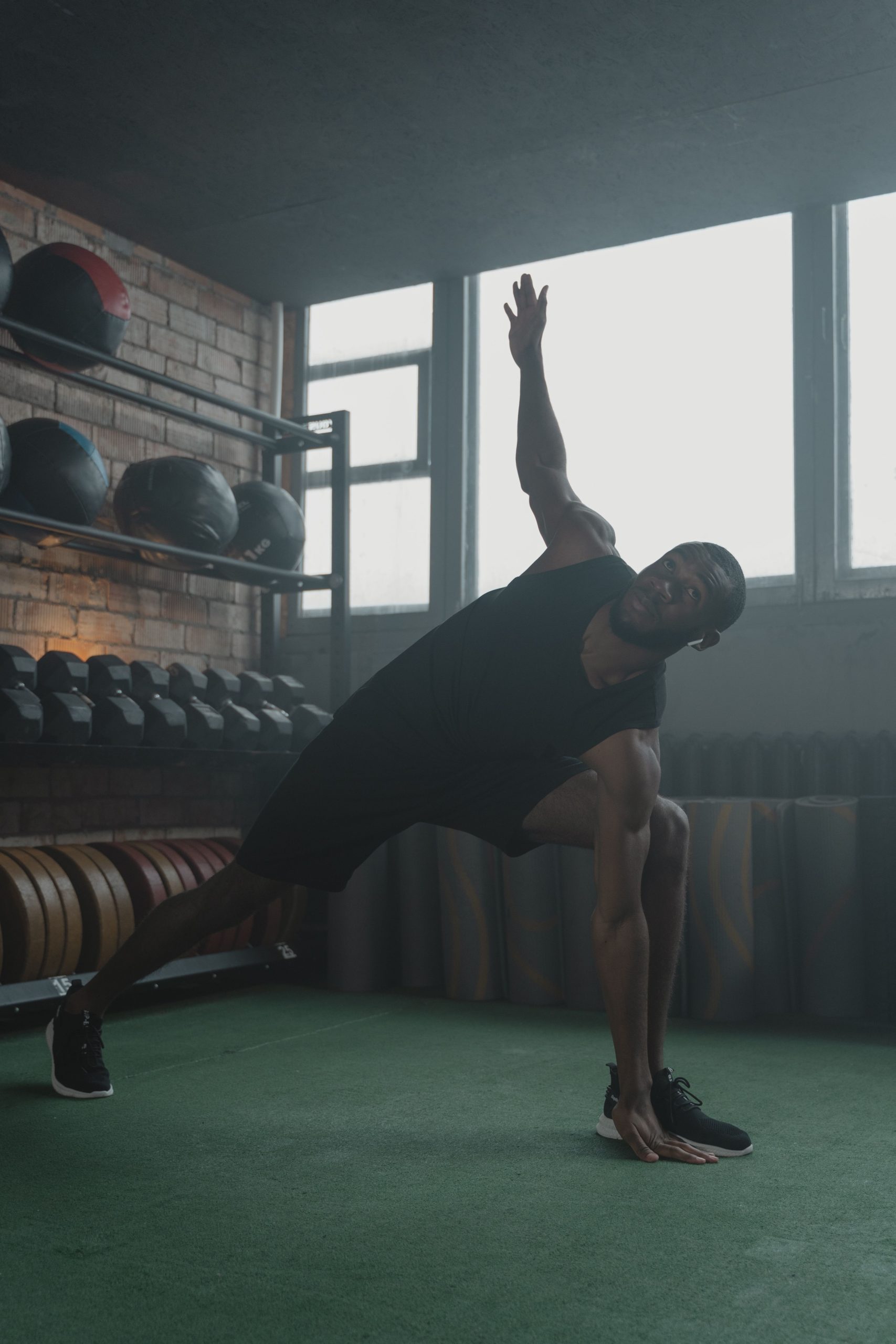
Are you tired of feeling weak and unprepared for everyday challenges? Incorporating functional strength moves into your routine can transform your overall fitness and empower you in daily tasks. These exercises mimic real-life movements, ensuring that your strength translates into practical benefits.
In this article, we’ll explore six of the best functional strength moves that you can easily incorporate into your workout. Get ready to enhance your strength, improve your balance, and boost your confidence in tackling everyday activities!
1. Squats – Best for Lower Body Strength
Squats are a fundamental exercise that develops essential strength in your lower body. This move replicates the action of sitting down and standing up, making it incredibly practical for daily life.
Key Features:
- Targets quadriceps, hamstrings, and glutes
- Improves functional mobility
- Requires no equipment for bodyweight variations
Pros:
- Enhances lower body strength
- Promotes better balance and coordination
- Can be modified for all fitness levels
Cons:
- Improper form can lead to injury
- May cause discomfort for those with knee issues
2. Deadlifts – Best for Full Body Engagement
Deadlifts are fantastic for developing overall strength as they engage multiple muscle groups, including the back, hamstrings, and core. This movement simulates picking objects up from the ground, a common action in daily life.
Key Features:
- Strengthens posterior chain muscles
- Improves grip strength
- Can be performed with various weights
Pros:
- Boosts metabolic rate
- Supports postural stability
- Increases functional strength
Cons:
- Requires proper form to avoid injury
- May be challenging for beginners
3. Lunges – Best for Balance and Stability
Lunges are a superb exercise for enhancing lower body strength, balance, and stability. They mimic the movement of stepping forward or climbing stairs, which is vital for everyday activities.
Key Features:
- Targets legs and glutes
- Can be performed in multiple directions
- Utilizes bodyweight or additional resistance
Pros:
- Improves functional flexibility
- Enhances core engagement
- Versatile for various fitness levels
Cons:
- Can strain knees if performed incorrectly
- Requires good balance, which may be tough for some
4. Push-Ups – Best for Upper Body Strength
Push-ups are a classic exercise targeting the chest, shoulders, and triceps while also engaging the core. This movement is essential for pushing actions like getting up from the floor.
Key Features:
- Strengthens upper body and core
- No equipment needed
- Can be modified for different skill levels
Pros:
- Enhances muscular endurance
- Improves functional fitness
- Easy to incorporate into any routine
Cons:
- Can cause wrist pain if form is incorrect
- May not be suitable for those with shoulder injuries
5. Plank – Best for Core Strength
The plank is an iconic core exercise that builds endurance and stability throughout your entire body. A strong core is crucial for maintaining balance and supporting other functional movements.
Key Features:
- Engages the entire body
- Can be modified to increase difficulty
- Promotes good posture
Pros:
- Builds core strength and stability
- Increases muscle endurance
- No special equipment required
Cons:
- May be too challenging for beginners
- Can cause lower back strain with poor form
6. Rows – Best for Back Strength
Rows are essential for building strength in the back, which is fundamental for maintaining proper posture and health. This movement replicates the action of pulling, which is common in many daily activities.
Key Features:
- Strengthens upper back and lats
- Improves postural alignment
- Can be done with resistance bands or weights
Pros:
- Increases overall upper body strength
- Aids in posture correction
- Versatile and easily adjustable
Cons:
- Requires access to equipment for max benefits
- Can be difficult to perform correctly without supervision
How to Choose the Right Movements for You
When selecting functional strength exercises, consider your fitness level, any existing injuries, and your specific goals. Start with bodyweight variations if you’re a beginner and gradually introduce weights as your strength improves. Always pay attention to form to prevent injury and maximize the effectiveness of each movement.
#FunctionalFitness #StrengthTraining #HealthyLiving #FitLife #Workouts #EverydayStrength #HomeWorkout