
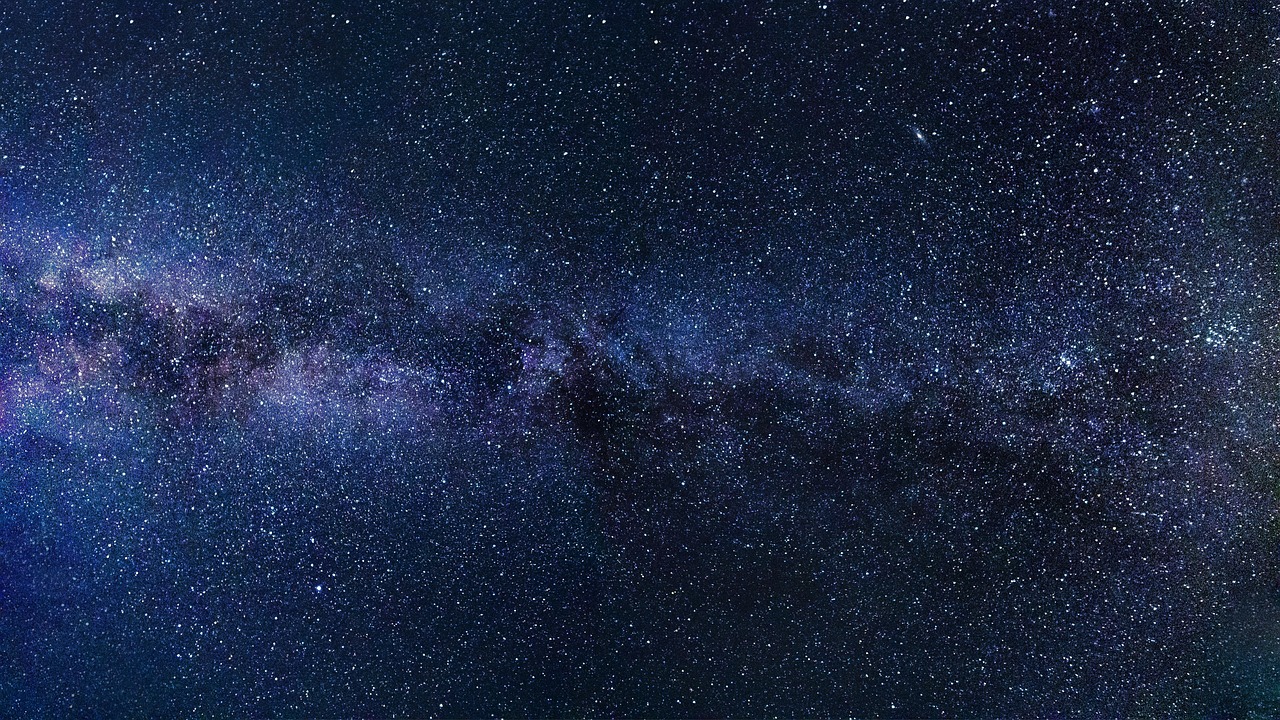
Galaxies are more than just beautiful clusters of stars; they come in diverse shapes and sizes, each telling a unique story about our universe. With advancements in astrophotography, capturing and understanding these celestial wonders has become accessible to everyone. In this article, we will explore the six main types of galaxy classifications through stunning astrophotography.
Whether you’re an amateur astronomer, a photography enthusiast, or simply curious about the cosmos, this guide will help you appreciate the complexity of galaxies and how to identify them.
1. Spiral Galaxies – Best For Their Stunning Structure
Spiral galaxies are often the first type that comes to mind when we think of galaxies. Characterized by their beautiful spiraling arms and a dense core, these galaxies are visually striking and full of star formation.
Key Features:
- Spiral structure with prominent arms
- Presence of a central bulge
- Active star formation in the arms
Pros:
- Visually captivating for astrophotography
- Rich in young, bright stars
- Can host a variety of interesting phenomena
Cons:
- May require advanced photography techniques
- Can be challenging to capture in detail
- Subject to high background light pollution
2. Elliptical Galaxies – Best For Their Smooth Appearance
Elliptical galaxies exhibit a smooth and rounded shape, lacking the distinct features of spiral galaxies. They mainly consist of older stars and have very little ongoing star formation.
Key Features:
- Elliptical shape ranging from round to elongated
- Number of stars decreases towards the outer edges
- Typically older, redder stars dominate
Pros:
- Great for long exposure astrophotography
- Less affected by light pollution
- Stable and predictable structures
Cons:
- Less dramatic visuals compared to spirals
- Limited star formation events
- May appear uniform and uninteresting
3. Lenticular Galaxies – Best For Their Hybrid Character
Lenticular galaxies represent a fascinating blend of spiral and elliptical characteristics. Featuring a central bulge and a disk-like structure, they often contain older stars and little gas for new star formation.
Key Features:
- Flat, disc-like shape with a central bulge
- Contains older stellar populations
- Minimal gas and dust compared to spirals
Pros:
- Unique structures for astrophotography exploration
- Clear view of stellar populations
- Interesting subjects due to hybrid traits
Cons:
- Less dramatic than spirals
- May not show much detail in photos
- Fewer star-forming regions
4. Irregular Galaxies – Best For Their Unique Forms
Irregular galaxies defy traditional classification with their chaotic and fragmented shapes. Rich in gas and dust, they are a hub for new star formation, making them intriguing subjects for astrophotography.
Key Features:
- Asymmetrical shapes with no defined structure
- High star formation activity
- Often rich in gas and dust
Pros:
- Endless variety in appearance
- Frequent extraordinary visual phenomena
- Ideal for capturing stellar nurseries
Cons:
- Can be hard to locate in the night sky
- Less predictable photographic results
- May need longer exposure times
5. Peculiar Galaxies – Best For Their Unusual Characteristics
Peculiar galaxies present extraordinary features, often due to interactions with other galaxies. Their unusual shapes and structures provide exciting opportunities for astrophotographers.
Key Features:
- Distorted shapes from gravitational forces
- Unique star formation patterns
- May be a result of galaxy collisions
Pros:
- Visually stunning and diverse
- Interesting scientific studies on galaxy interactions
- High potential for captivating astrophotography
Cons:
- Harder to classify and understand
- Higher observational complexity
- May require advanced equipment for detailed capture
6. Ring Galaxies – Best For Their Intriguing Structures
Ring galaxies, characterized by a prominent ring of stars surrounding a dense central core, often result from galactic collisions. Their striking appearance makes them a favorite among astrophotographers.
Key Features:
- Circular ring of stars surrounding a bright core
- Creates a stunning visual effect in photographs
- Often linked to galactic interactions
Pros:
- Visually captivating and unique
- Great subjects for astrophotography
- Interesting to study due to formation mechanisms
Cons:
- Relatively rare compared to other types
- Requires specific conditions for capture
- May be out of reach for novice astrophotographers
How to Choose Your Target Galaxy
When selecting a galaxy for exploration and photography, consider its classification type, visibility from your location, time of year, and the specific equipment at your disposal. Research how to best capture the galaxy’s features, optimizing settings for light exposure and focus. Consider joining local amateur astronomy clubs or online forums for tips and support.
#Galaxies #Astrophotography #SpacePhotography #AstronomyLovers #CosmicWonders #Stargazing #GalaxyClassification