
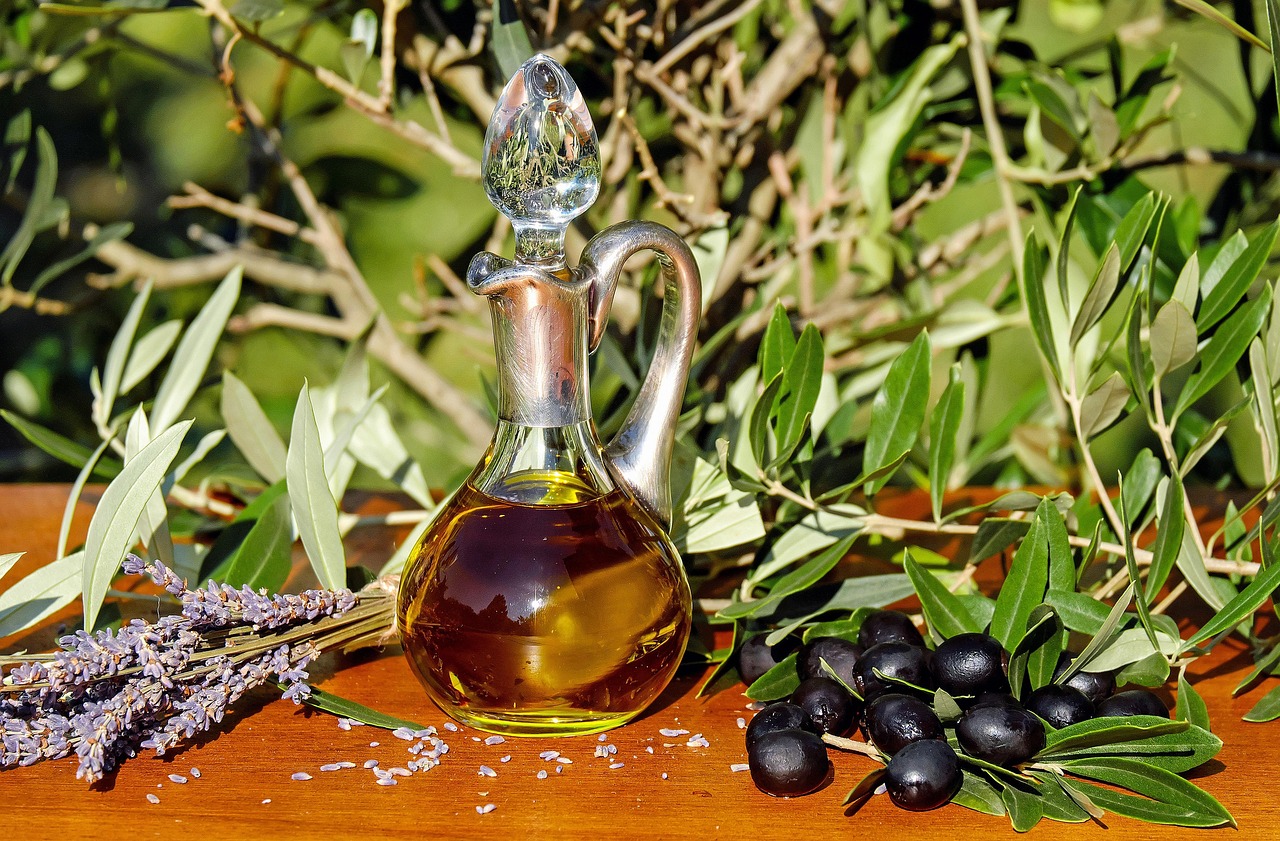
When it comes to heart health, the oils you use in your kitchen can make a world of difference. Choosing the right cooking oil can positively impact your cardiovascular system, helping to lower cholesterol and provide essential nutrients. It’s time to upgrade your pantry and incorporate heart-friendly oils into your meals!
This article dives into the top six healthy cooking oils that not only enhance the flavor of your dishes but also support your heart health. Read on to discover the best options for a healthier cooking experience!
1. Olive Oil – Best For Heart-Healthy Fats
Olive oil is renowned for its high monounsaturated fat content which can help reduce bad cholesterol levels. Its antioxidants, particularly oleocanthal, offer anti-inflammatory benefits that support cardiovascular health.
Key Features:
- Rich in monounsaturated fats
- High in antioxidants
- Versatile for cooking and dressings
Pros:
- Supports heart health
- Enhances flavor in dishes
- Widely available
Cons:
- Not suitable for high-heat cooking
- Can be expensive compared to others
2. Avocado Oil – Best For High-Heat Cooking
Avocado oil boasts a high smoke point, making it perfect for frying and sautéing. Packed with monounsaturated fats, it not only promotes heart health but also contains vitamins and antioxidants important for a balanced diet.
Key Features:
- High smoke point (around 520°F)
- Rich in healthy fats
- Contains vitamins A, D, and E
Pros:
- Versatile in various cooking methods
- Great for skin health
- Subtle flavor that enhances meals
Cons:
- Can be pricier than other oils
- Flavor may not suit all dishes
3. Canola Oil – Best For Baking and Frying
Canola oil is a heart-healthy option that is low in saturated fats and high in omega-3 fatty acids. Its light flavor makes it perfect for baked goods and frying without overpowering your dishes.
Key Features:
- Low in saturated fat
- Rich in omega-3 fatty acids
- Light flavor profile
Pros:
- Affordable choice
- Widely available and versatile
- Neutral taste
Cons:
- May contain genetically modified organisms (GMOs)
- Less flavor compared to other oils
4. Flaxseed Oil – Best For Omega-3 Benefits
Flaxseed oil is a powerhouse when it comes to omega-3 fatty acids. It’s perfect for salads and smoothies but should not be heated. Incorporating flaxseed oil into your diet can help decrease inflammation and support heart health.
Key Features:
- High in omega-3 fatty acids
- Excellent for cold dishes
- Rich in lignans, which have antioxidant properties
Pros:
- Supports heart health
- Good for digestive health
- Promotes skin health
Cons:
- Cannot be heated
- Short shelf life compared to other oils
5. Grapeseed Oil – Best For Cooking and Baking
Grapeseed oil is extracted from grape seeds and is known for its high polyunsaturated fat content. It is light in flavor and has a high smoke point, making it an excellent choice for frying, sautéing, and salad dressings.
Key Features:
- High smoke point
- Rich in vitamin E
- Contains healthy polyunsaturated fats
Pros:
- Good for high-heat cooking
- Pairs well with various flavors
- Rich in antioxidants
Cons:
- Higher in omega-6 than omega-3
- Quality can vary significantly
6. Coconut Oil – Best For Flavorful Dishes
Coconut oil is known for its unique flavor and is rich in medium-chain triglycerides (MCTs), which can promote heart health and metabolism. Use it in moderation, as it is higher in saturated fats compared to other oils on this list.
Key Features:
- Rich in medium-chain triglycerides (MCTs)
- Distinct flavor
- Solid at room temperature, great for recipes
Pros:
- Versatile in both cooking and baking
- Antimicrobial properties
- Potential for weight management
Cons:
- High in saturated fats
- Distinct flavor may not suit all dishes
How to Choose the Right Cooking Oil
Choosing the right cooking oil depends on the cooking method, flavor profile, and health benefits you seek. Look for oils high in monounsaturated and polyunsaturated fats while being mindful of saturated fat content. Consider your cooking styles—whether you’re frying, baking, or dressing salads—and select oils that complement both your health goals and your culinary needs.
#HealthyCookingOils #HeartHealth #CulinaryWellness #CardiovascularDiet #WellnessJourney #CookingTips #HealthyLiving #NutritiousChoices