
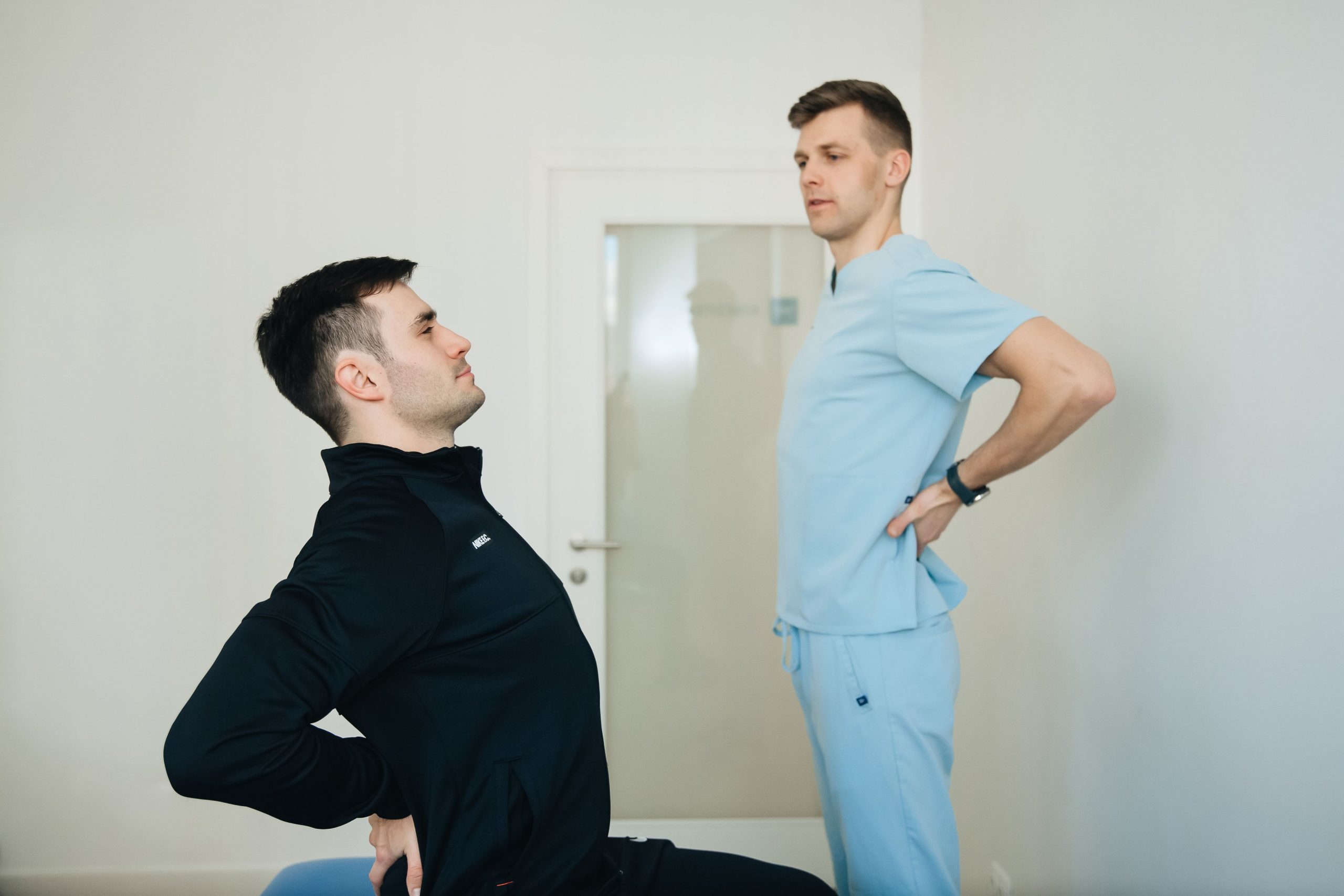
Are you a desk worker who plays sports on the weekends? If so, you may be experiencing the detrimental effects of poor posture from both extended sitting and your athletic activities. The good news is that you can make simple adjustments to improve your standing and sitting posture, which will enhance your athletic performance and decrease the risk of injury.
This article explores the top 6 posture corrections specifically designed for desk workers who enjoy sports. Implement these strategies into your daily routine for better alignment, increased energy, and higher-quality performance on the field and in the office!
1. Ergonomic Chair Adjustment – Best For Comfort
An ergonomic chair provides the essential support that desk workers need to maintain proper posture throughout their workday. Adjusting your chair to the right height can prevent slouching and back strain.
Key Features:
- Adjustable height to align with your desk
- Lumbar support to promote a healthy spine curvature
- Armrests that reduce shoulder tension
Pros:
- Improves sitting posture
- Reduces risk of long-term back pain
- Encourages frequent movement
Cons:
- Can be expensive
- May require adjustment period
- Not suitable for all body types
2. Desk Height Adjustment – Best For Alignment
Ensuring your desk is at the proper height is crucial in maintaining a neutral wrist position and preventing neck strain. An adjustable desk can be a fantastic investment for those who alternate between sitting and standing work.
Key Features:
- Allows for both standing and sitting positions
- Prevents excessive reaching and hunching
- Enhances circulation during work hours
Pros:
- Increases energy levels
- Helps prevent carpal tunnel syndrome
- Boosts productivity
Cons:
- Can be bulky
- May require additional costs
- Adjustment period may take time
3. Monitor Positioning – Best For Eye and Neck Health
Improper monitor positioning can lead to neck and eye strain. Your computer screen should be at eye level to promote a neutral neck posture and reduce unnecessary strain.
Key Features:
- Reduces neck tension and headaches
- Improves focus and reduces eye strain
- Encourages a natural head position
Pros:
- Decreases fatigue
- Promotes better concentration
- Enhances overall comfort
Cons:
- May require a monitor stand or adjustment
- Not all desks accommodate proper placement
- Frequent adjustments needed if shared with others
4. Daily Stretching Routine – Best For Flexibility
Incorporating daily stretches into your routine can greatly improve flexibility and alleviate muscle tension resulting from prolonged sitting. Simple stretches can be done at your desk or during breaks.
Key Features:
- Increases blood flow to stressed muscles
- Enhances range of motion and flexibility
- Reduces stiffness
Pros:
- Easy to integrate into your day
- Helps prepare muscles for sport
- Improves mental focus
Cons:
- Requires consistency for effectiveness
- Time-consuming for some individuals
- Risk of overstretching if not careful
5. Core Strength Training – Best For Stability
A strong core is essential for maintaining stability and proper posture, both at your desk and during sports. Building core strength can significantly reduce back pain and improve overall athletic performance.
Key Features:
- Supports better posture and alignment
- Enhances balance and coordination
- Reduces risk of injuries in sports
Pros:
- Improves performance in sports
- Increases overall body strength
- Can be done with minimal equipment
Cons:
- Requires commitment and time
- Some exercises can be challenging for beginners
- Risk of injury if done incorrectly
6. Regular Breaks – Best For Sustained Energy
Taking regular breaks is vital for resetting your posture and reducing fatigue. Setting reminders to stand up or change positions can make a significant difference in how you feel throughout the workday.
Key Features:
- Helps combat fatigue and cognitive overload
- Realigns posture and reduces stiffness
- Enhances energy levels
Pros:
- Improves productivity
- Supports mental health
- Easy to implement
Cons:
- Can be forgotten during busy days
- May disrupt workflow for some
- Requires discipline for consistency
How to Choose the Right Posture Corrections for You
When selecting posture corrections, consider your personal working style, the nature of your sports activities, and any existing pain or discomfort. Take the time to assess your workspace, explore ergonomic options, and commit to establishing a routine that fits seamlessly into your day for the best results.
#PostureCorrection #DeskWorkers #SportsPerformance #HealthAndWellness #WorkplaceWellness #Ergonomics #FitnessTips #AthleticPerformance