
Are you ready to dive into the thrilling world of winter sports? From heart-stopping jumps to breathtaking descents, skiing and snowboarding competitions showcase incredible talent and skill. Whether you’re a seasoned athlete or a passionate spectator, understanding the various competition categories can enhance your appreciation for these exhilarating sports.
In this article, we’ll explore the top six skiing and snowboarding competition categories, each with its own unique challenges and appeal. Get ready to discover where the true action lies on the slopes!
1. Alpine Skiing – The Race Against Time
Alpine skiing is all about speed and precision, where athletes navigate down a course marked by gates. This thrilling discipline tests the agility and technique of competitors as they carve through turns, aiming for the fastest time.
Key Features:
- Includes various events like slalom and giant slalom.
- Focuses on downhill speed and technical skill.
- Typically held at ski resorts with specially designed courses.
Pros:
- Exciting to watch due to high-speed runs.
- Shows impressive athleticism and technique.
- Many events available for spectators throughout the season.
Cons:
- Requires extensive training and expensive equipment.
- Weather conditions can affect performances.
- Limited participation opportunities for beginners.
2. Snowboarding Halfpipe – Soaring to New Heights
The snowboarding halfpipe is a spectacular display of aerial skills, where athletes perform tricks and spins in a U-shaped course. This category highlights creativity and style, making it a crowd favorite.
Key Features:
- Tricks are executed while riding on edges and launching off walls.
- Scored based on difficulty and execution of tricks.
- Often features both men’s and women’s competitions.
Pros:
- Visually impressive performances attract large audiences.
- Encourages individual creativity and expression.
- Can be enjoyed by both viewers and participants of all levels.
Cons:
- High risk of injury due to aerial tricks.
- Requires access to facilities with halfpipe structures.
- Intense competition can be overwhelming for newcomers.
3. Freestyle Skiing – The Art of Tricks
Freestyle skiing encompasses a variety of events that showcase tricks and techniques performed on jumps and terrain parks. Athletes have the freedom to express themselves through their stunts, making this category quite popular.
Key Features:
- Includes events like mogul skiing and aerials.
- Focuses on trick execution and style.
- Pioneering innovation and creativity in each run.
Pros:
- Encourages individual style and expression.
- Suitable for various skill levels.
- Often features vibrant and dynamic performances.
Cons:
- Can be challenging to learn and master new tricks.
- Risk of injury is higher compared to traditional skiing.
- Competitive landscape can be daunting for participants.
4. Snowboarding Slopestyle – Melding Speed and Tricks
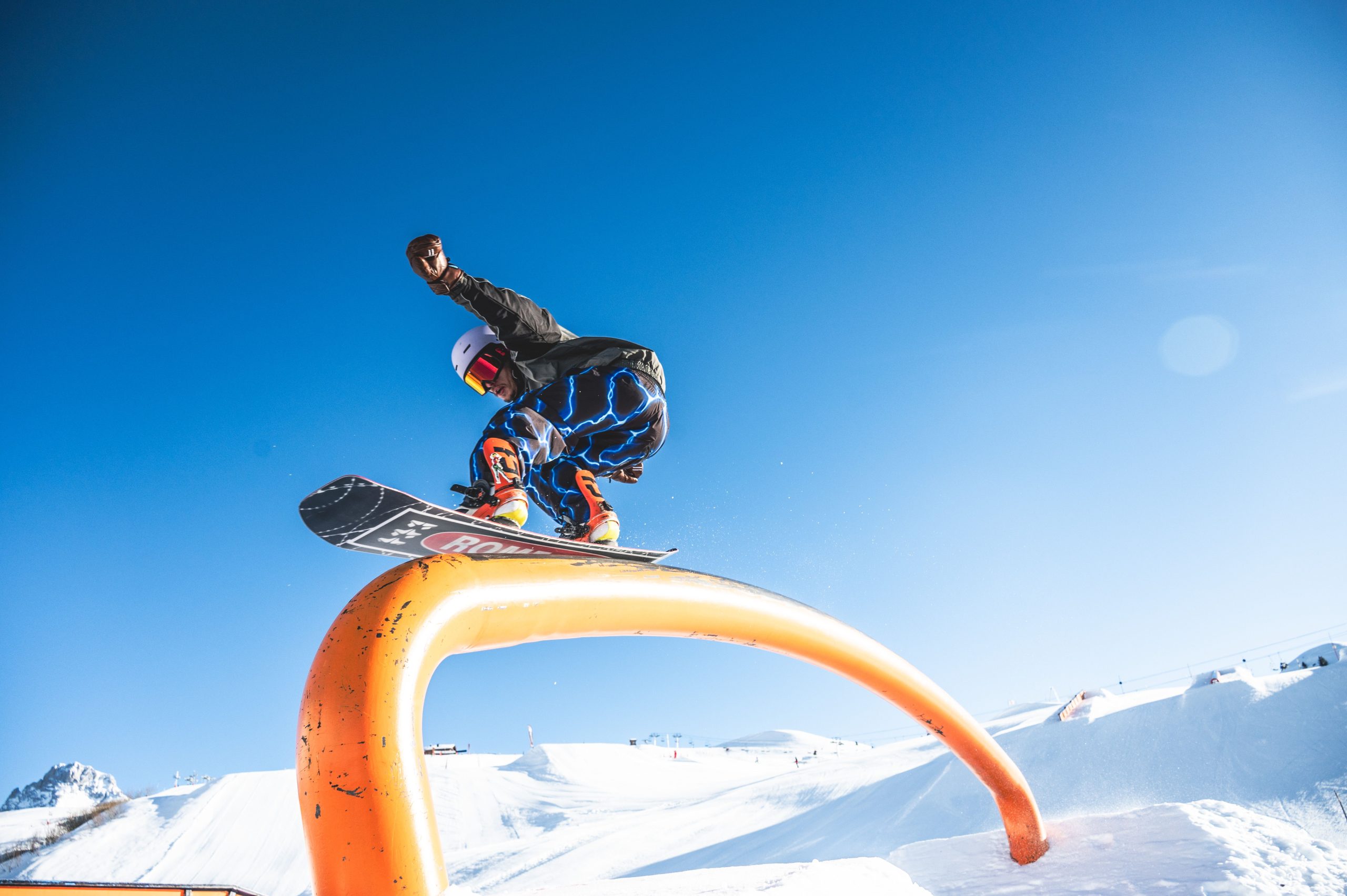
Snowboarding slopestyle combines speed with a series of jumps, rails, and obstacles for athletes to navigate. Competitors perform tricks while speeding through the course, scoring points for both technical execution and creativity.
Key Features:
- Course consists of a mix of features to test various skills.
- Judged on trick difficulty, execution, and overall flow.
- Introduces a thrilling variety of snowboarding styles.
Pros:
- Blend of speed and creativity makes it exciting to watch.
- Multiple features keep the competition dynamic.
- Welcomes beginner to advanced riders into the fold.
Cons:
- Requires proficient technical skills to score well.
- Can be expensive due to gear and pass costs.
- Courses may vary greatly, affecting familiarity for competitors.
5. Cross-Country Skiing – Endurance and Stamina
Cross-country skiing is a true test of endurance, where athletes navigate long distances in varied terrains. This discipline not only highlights individual strength but also showcases the beauty of natural landscapes.
Key Features:
- Consists of events ranging from sprints to marathons.
- Stamina is key, often requiring multi-day events.
- Emphasizes the importance of technique over speed.
Pros:
- Accessible to a wide level of athletes.
- Cultivates a spirit of community and camaraderie.
- Beneficial for fitness and endurance training.
Cons:
- Success often requires rigorous training and conditioning.
- Can be grueling, with long race durations.
- Less flashy compared to other competitive events.
6. Ski Jumping – Fly High and Land Safely
Ski jumping is perhaps one of the most exhilarating sports, where athletes launch off ramps and soar through the air before landing on a slope. It’s a breathtaking combination of skill, timing, and aerodynamics!
Key Features:
- Involves jumps from varying heights, typically 90m to 250m.
- Judged on distance and style when landing.
- Requires precision in technique and body alignment.
Pros:
- Offers some of the most dramatic moments in winter sports.
- Challenges athletes to conquer their fears.
- Historic events lead to legendary status for top jumpers.
Cons:
- High risk of injury, demanding peak mental focus.
- Requires specialized equipment and facilities.
- Can be impacted by weather conditions on event day.
How to Choose the Right Competition for You
When deciding which skiing or snowboarding competition to pursue, consider your skill level, interests, and goals. If you enjoy speed, alpine skiing and cross-country events are for you. For those drawn to tricks, freestyle or slopestyle may be your calling. Remember, whatever you choose, the most important aspect is to have fun and embrace the thrill of winter sports!
#skiing #snowboarding #wintercompetition #skijumping #freestyleskiing #slopestyle #outdooradventures