
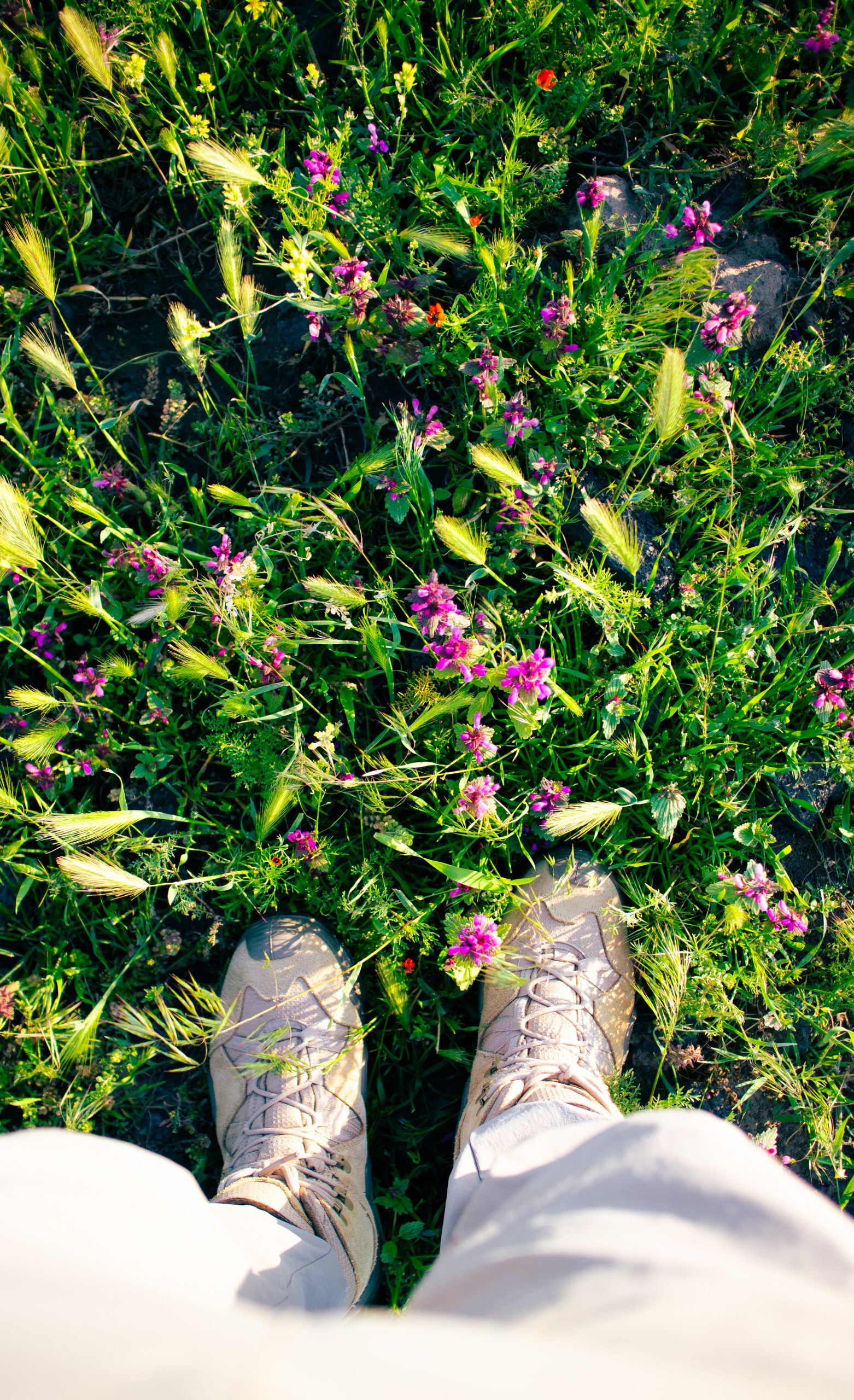
Spring is a vibrant season that ushers in blooming wildflowers and a fresh bounty of edible plants. Foraging and hiking in nature during this time not only offers nutritional rewards but also connects you with the earth’s natural rhythm. Are you ready to discover unique traditions that blend these activities beautifully?
Whether you’re looking to enrich your culinary skills or simply enjoy a scenic hike, these spring foraging and wildflower traditions are sure to inspire you. Let’s dive into the best experiences awaiting you this season!
1. Wild Garlic Foraging – Best For Culinary Delights
Wild garlic is one of the first greens to appear in spring, making it a delightful target for foragers. Known for its strong flavor, it’s a tasty addition to spring dishes and boosts your seasonal meals with freshness.
Key Features:
- Easy to identify by its distinctive garlic scent.
- Versatile in recipes, from pesto to salads.
- Rich in vitamins and antioxidants.
Pros:
- Enhances the flavor of dishes.
- Widely available in spring.
- Promotes connection with nature.
Cons:
- Can be mistaken for toxic plants if not careful.
- Best in specific regions.
2. Bluebell Walks – Best For Spectacular Scenery
Each spring, woodlands across the UK burst into life with carpets of bluebell flowers. These stunning displays attract hikers seeking the perfect photo opportunity and an invigorating stroll through nature.
Key Features:
- Typically blooms from April to May.
- Provides a breathtaking visual experience.
- Protected species – maintain respectful distance.
Pros:
- Peaceful and picturesque hikes.
- Great for families and photography lovers.
- Ideal for connecting with local wildlife.
Cons:
- Limited blooming period.
- Can be crowded at popular sites.
3. Dandelion Harvesting – Best For Natural Remedies
Dandelions are often dismissed as weeds, but their leaves, flowers, and roots are packed with health benefits. Foraging dandelions allows you to make teas, salads, and infused oils, fostering a deeper appreciation for nature’s bounty.
Key Features:
- Nutritious and beneficial for liver health.
- Flowers can be used to make wine and syrups.
- Available in various environments.
Pros:
- Easy to forage practically everywhere.
- Multiple uses for cooking and health.
- Promotes foraging skills.
Cons:
- May require knowledge to avoid pesticide exposure.
- People’s perception as a weed can affect availability.
4. Wildflower Identification – Best For Nature Enthusiasts
Spring is the perfect time to learn about local wildflowers. Whether through guided hikes or solo exploration, identifying flowers adds depth to your outdoor experiences and fosters admiration for biodiversity.
Key Features:
- Involves educational resources like apps and field guides.
- Celebrates the diversity of local flora.
- Offers opportunities for community engagement.
Pros:
- Enhances appreciation for nature.
- Encourages outdoor exploration and exercise.
- Fosters a sense of community through workshops.
Cons:
- Requires time and dedication to master.
- Some species may be difficult to identify.
5. Mushroom Foraging – Best For Adventurous Foodies
Spring offers a bounty of wild mushrooms, but they require knowledge and skill to forage safely. Join local foraging groups or attend workshops to learn about different species, emphasizing safety and sustainability.
Key Features:
- Variety of edible mushrooms like morels.
- Enhances your culinary skills with wild ingredients.
- Great physical activity through hiking.
Pros:
- Unique flavors enhance meals.
- Can lead to exciting culinary discoveries.
- Connecting with like-minded foragers.
Cons:
- Some mushrooms are toxic – foraging requires caution.
- Requires extensive knowledge.
6. Herbal Walks – Best For Wellness Seekers
Taking herbal walks in spring introduces you to a variety of medicinal plants. Guided herbalism tours offer insights into local flora and how to use them for natural remedies, emphasizing wellness and sustainability.
Key Features:
- Focus on plant identification and uses.
- Promotes sustainable foraging practices.
- Connects you with knowledgeable foragers.
Pros:
- Learn valuable skills for health and wellness.
- Deepens understanding of local ecosystems.
- Can inspire eco-friendly pursuits.
Cons:
- Availability may vary by region and season.
- Requires time commitment to learn effectively.
How to Choose Your Adventure
When deciding which spring foraging and wildflower activity to pursue, consider your interests, safety knowledge, and local regulations. Join community events or guided tours for the best learning experiences and ensure you’re respecting nature and its offerings.
#ForagingAdventures #WildflowerHiking #SpringNature #NatureLovers #HealthyEating #MushroomForaging #HerbalMedicine #OutdoorLiving